Bending into the Future: The Intelligent Manufacturing Revolution in Tube Bending Accuracy for Aerospace

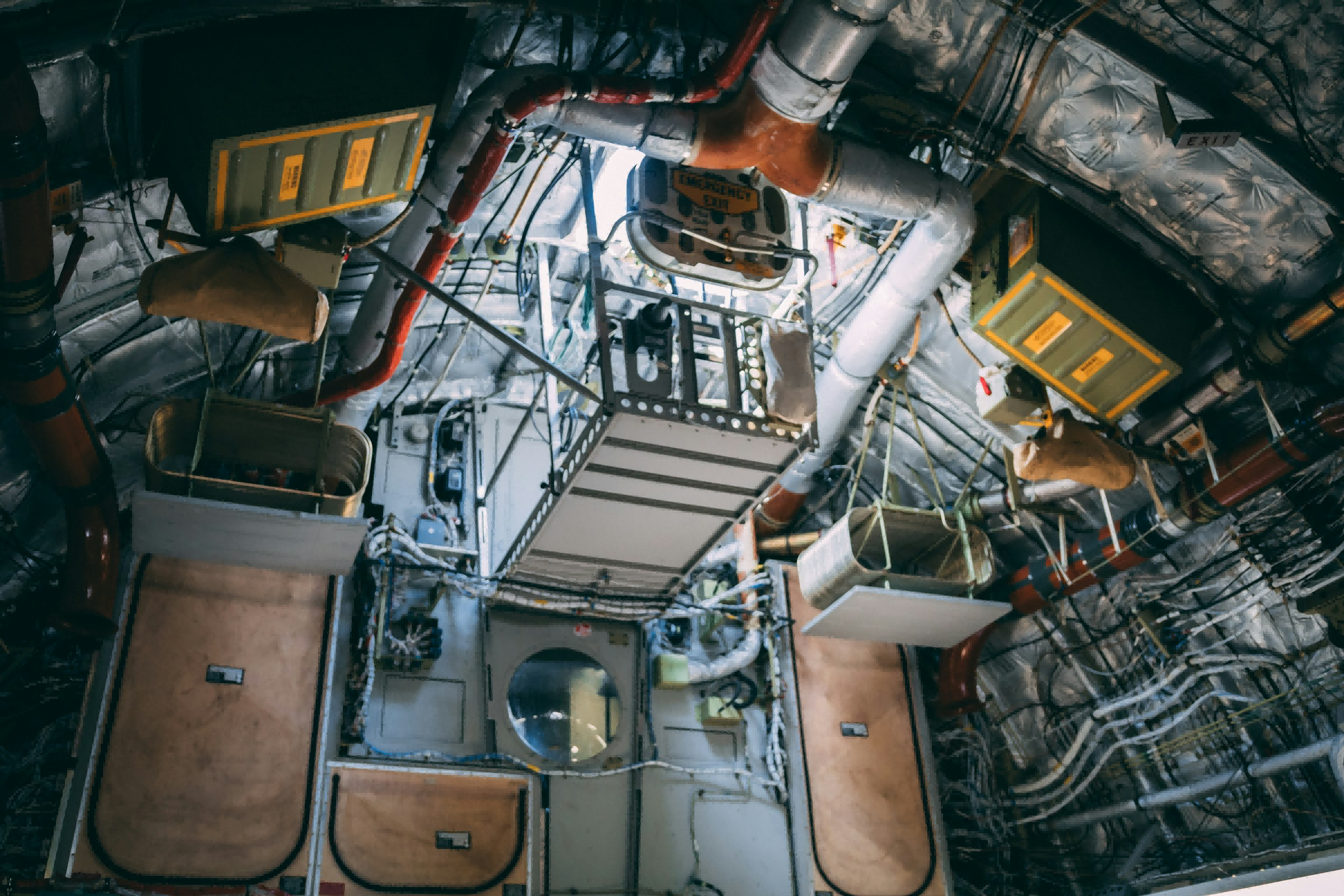
Modern aerospace vehicles are densely packed with thousands of tubing lines, transporting fuel, hydraulic fluid, oxygen, and data signals. They form the "circulatory system" and "neural network" of the aircraft. Each tube must be extremely lightweight, possess impeccable reliability, and be arranged precisely within extremely confined spaces. These seemingly ordinary tubular components carry the critical missions of fuel delivery, hydraulic control, and life support. An accuracy deviation of even 0.1 millimeters could trigger cascading failures or even lead to mission abort. Under the "zero tolerance for error" demands of aerospace, a technological revolution centered on tube bending accuracy is quietly unfolding, injecting formidable power into "Intelligent Manufacturing for the Future."
一、 The "Lifeline" of Tube Bending Accuracy in Aerospace
In the aerospace field, tube bending accuracy has long transcended mere geometric dimensions, forming a dual-standard system of "geometry + performance." In geometric terms, bending angle error must be controlled within ±0.5°, roundness deviation cannot exceed 3% of the tube diameter, and wall thickness thinning rate is stringently kept below 5%—these metrics are an order of magnitude higher than civilian standards. Performance accuracy requirements are more implicit. Tubes for rocket propulsion systems must maintain sealing integrity under high temperatures of 300°C and pressures of several tens of megapascals. Fluid tubes for space stations must withstand space radiation and extreme temperature swings, ensuring stable transmission for over a decade. One spacecraft experienced a launch window delay due to a 0.3mm axis offset in a single tube, causing fuel flow issues and resulting in direct economic losses of tens of millions. This incident confirms the industry's ironclad law: "Accuracy is Life."
二、 The Technological Engines of the Tube Bending Accuracy Revolution
Behind this accuracy revolution lies the synergistic breakthroughs in materials, equipment, and processes. Material science has tackled the bending challenges of specialty alloys. Materials like titanium alloys and high-temperature alloys boast high strength but poor plasticity, making them prone to cracking during traditional bending. Now, through pre-stretching heat treatment and surface shot peening technologies, material formability has improved by over 40%, laying the groundwork for high-precision machining. Equipment iteration has achieved the leap from "mechanical control" to "intelligent sensing." Domestically produced five-axis CNC tube bending machines equipped with force sensors and vision inspection systems can capture stress variations in real-time during bending. They dynamically adjust parameters via AI algorithms, controlling repeat positioning accuracy to within 0.01mm, completely breaking the monopoly of foreign equipment.
Comprehensive process innovation builds a closed-loop accuracy control system. Pre-bending utilizes digital twin technology to simulate bending paths and preemptively avoid collision risks. During bending, mandrel-free bending processes combined with degradable filler materials effectively reduce wall deformation. Post-bending, laser tracking measurement and robotic automated shaping achieve an integrated "measurement-correction" process. The hydraulic tube production line for the C919 airliner employs this suite of technologies, reducing the production cycle for a single tube from 2 days to 4 hours and increasing qualification rates from 75% to 99.2%, facilitating the localization of critical components. Standard system upgrades have followed suit. China's newly released "Aerospace Tube Bending Accuracy Standard" aligns with the International Aerospace Quality Group (SAE) standards. The localization rate of supporting inspection equipment like 3D coordinate measuring machines and optical profilers has exceeded 80%, providing the "measurement standard" for accuracy control.
三、 In Practice: The Accuracy Revolution Empowering Aerospace "Intelligent Manufacturing"
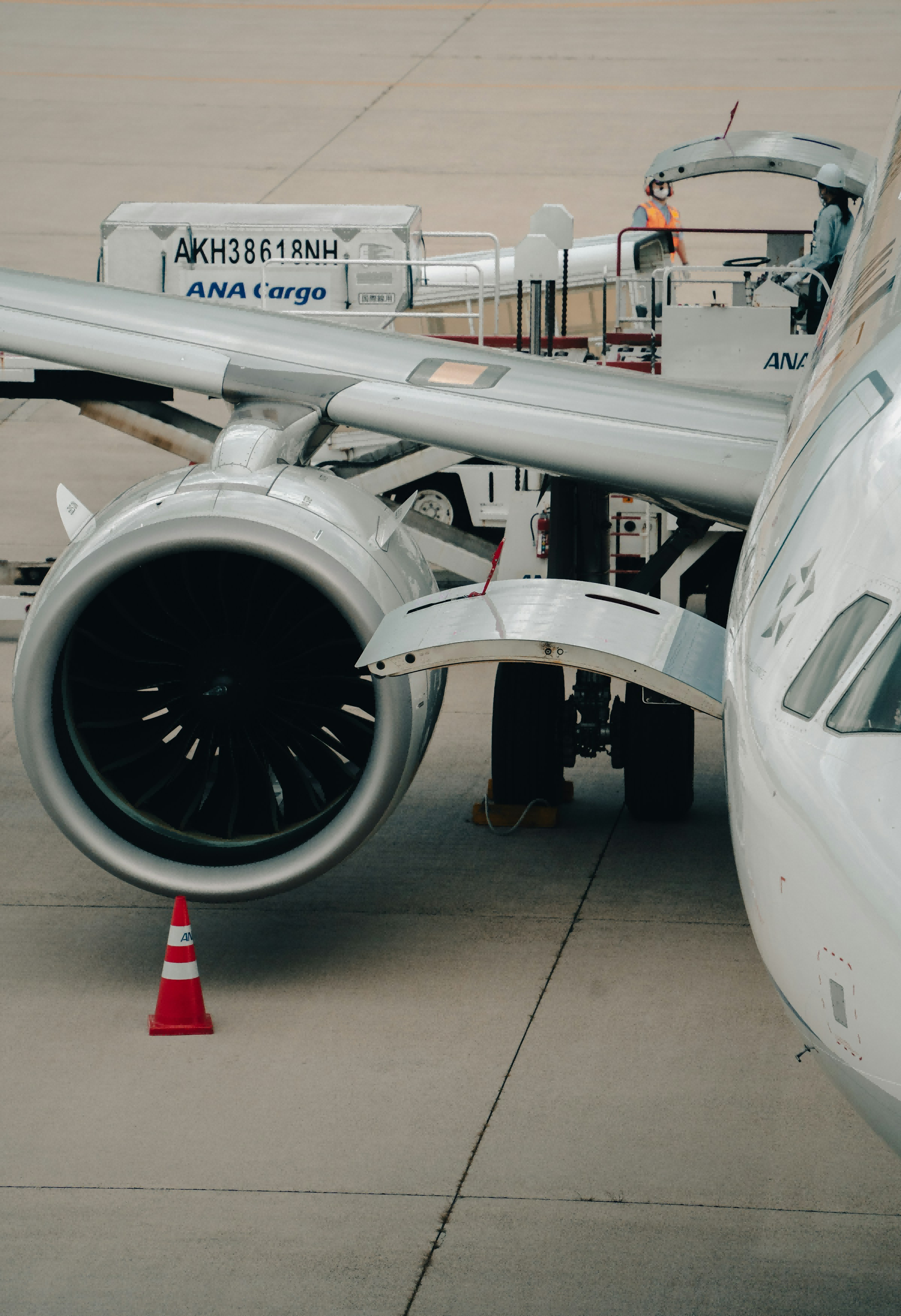
The accuracy revolution is deeply empowering aerospace "intelligent manufacturing" practices. In the civil aviation sector, the C919's fuel system utilizes over 2,000 high-precision tubes. Optimized layout and reduced fluid resistance contribute to a 1.5% improvement in overall fuel efficiency. In spaceflight, the high-pressure oxygen tubes for the Long March 5 rocket's core stage, with bending angle accuracy of ±0.2° and excellent sealing, ensure stable thrust output. The environmental control and life support system tubes in the space station's "Tianhe" core module have operated flawlessly for over two years in the space environment, ensuring astronaut safety. In general aviation and military applications, differentiated accuracy strategies prove effective. Tubes for general aviation aircraft reduce costs through "accuracy grading," while military fighter jet tubes employ impact-resistant structural designs to meet the demands of complex combat environments.
四、The Future Landscape at Every Bend
Looking ahead, the tube bending accuracy revolution holds vast potential for exploration. The deep integration of AI and big data will enable predictive optimization of bending accuracy. Micro/nano-scale bending technology may find applications in microsatellites and drones. The convergence of additive manufacturing and bending technology could give rise to "monolithic" complex tubing systems. Simultaneously, this revolution will drive upgrades across the upstream and downstream industrial chain—from specialty material R&D to intelligent equipment manufacturing—forming a complete "precision industry" ecosystem. Its technological achievements can also extend to high-end equipment manufacturing, new energy, and other fields, unleashing greater industrial value.
The precise bend of a single tube carries the independent aspirations of the aerospace industry and reflects the precision upgrade of manufacturing. From "catching up on precision" to "defining precision," from technological breakthroughs to industrial empowerment, every leap forward at each bend writes a new chapter in China's aerospace "Intelligent Manufacturing" story. In this endless pursuit of precision, small components will continue to unleash immense energy, providing a solid guarantee for exploring the vast cosmos and soaring through the skies.
The Essential Guide to Huashun Pipe Bending Machines for Modern Furniture Manufacturing
Rear center armrest frame for Tesla--the 38CNC-4A2S tube bending machine achieve
Related Article