
How to Choose an Aluminum Cutting Machine? 3 Core Indicators to Avoid Pitfalls Even for Beginners
author: Huashun Machinery
2025-12-31

For small workshop owners, founders of startup manufacturing companies, or DIY enthusiasts new to aluminum material processing, choosing a high-precision aluminum cutting machine is often a headache. The market offers aluminum cutting machines ranging in price from a few thousand to several hundred thousand, with technical terms like "spindle speed" and "repeat positioning accuracy" on spec sheets being overwhelming, and brands varying widely in quality. Many beginners follow trends blindly when purchasing, either overspending on machines with excessive functions or buying cheap ones that frequently encounter issues like burrs and dimensional deviations during cutting, severely impacting processing efficiency and product quality. In reality, selecting a high-precision aluminum cutting machine doesn't require getting lost in complex information. By focusing on 3 core indicators, you can simplify the decision-making process, allowing even beginners to accurately avoid pitfalls.
一、 Core Indicator One: Accuracy and Stability
Accuracy is the core competitiveness of a high-precision aluminum cutting machine, directly determining the product qualification rate. For beginners, it's essential to focus on cutting accuracy and repeat positioning accuracy. In the industry, high-quality equipment typically achieves a cutting accuracy within ±0.1mm, which is sufficient for most small to medium-sized processing needs. Repeat positioning accuracy, on the other hand, relates to the consistency of batch processing. If the repeat positioning error is large, even if individual products meet standards, batch production may result in inconsistent dimensions.
The stability of the equipment is the guarantee of accuracy, primarily depending on the frame structure, guide rail type, and assembly process. In terms of frame structure, cast iron frames offer greater rigidity and better vibration resistance compared to welded steel plate frames, effectively reducing frame deformation during cutting. For guide rail selection, linear guide rails outperform ball guide rails in terms of accuracy and wear resistance, making them suitable for high-precision processing scenarios. High-quality assembly processes ensure tighter connections between components, further enhancing the operational stability of the equipment.
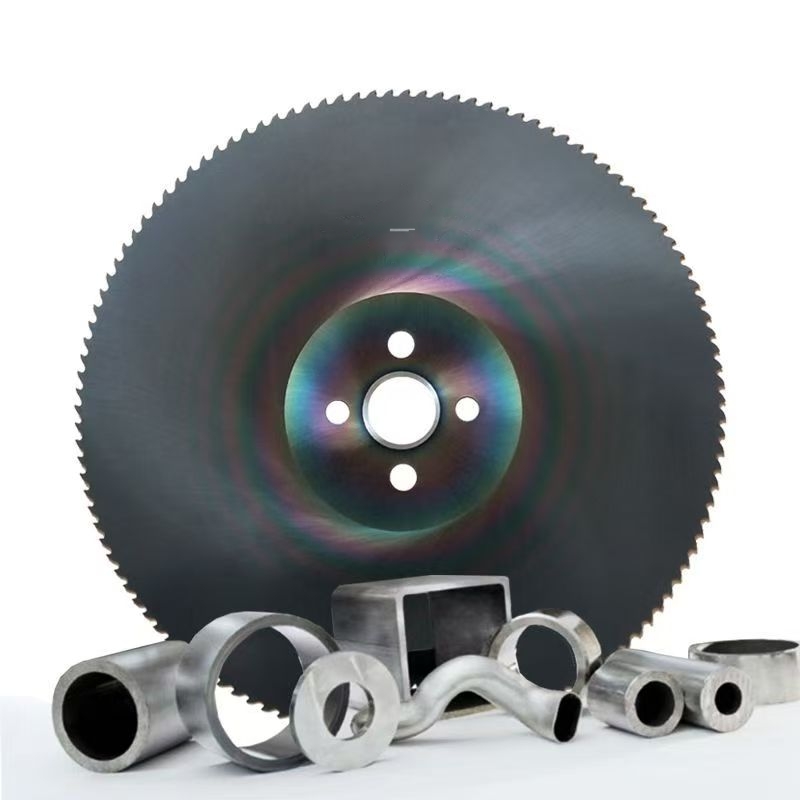
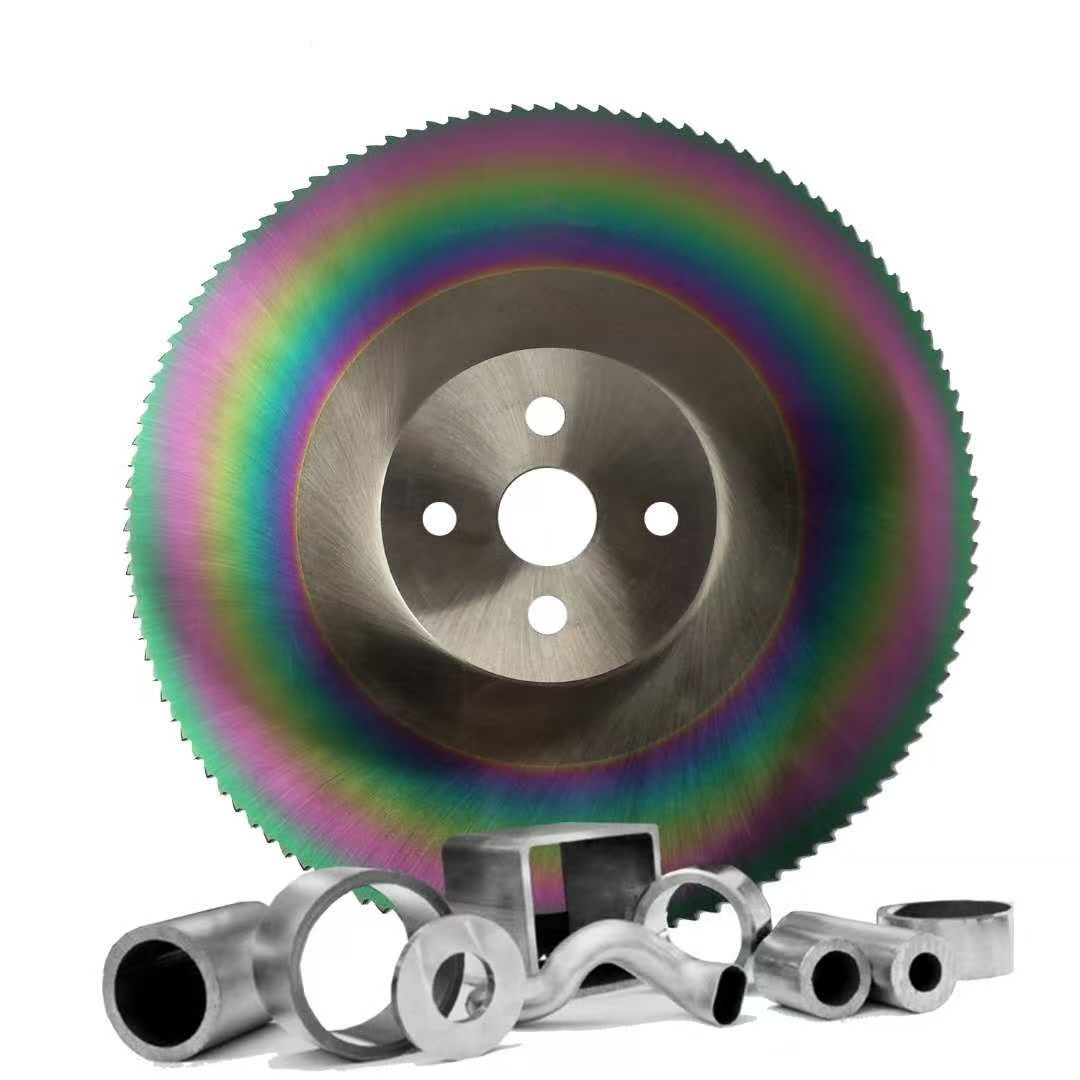
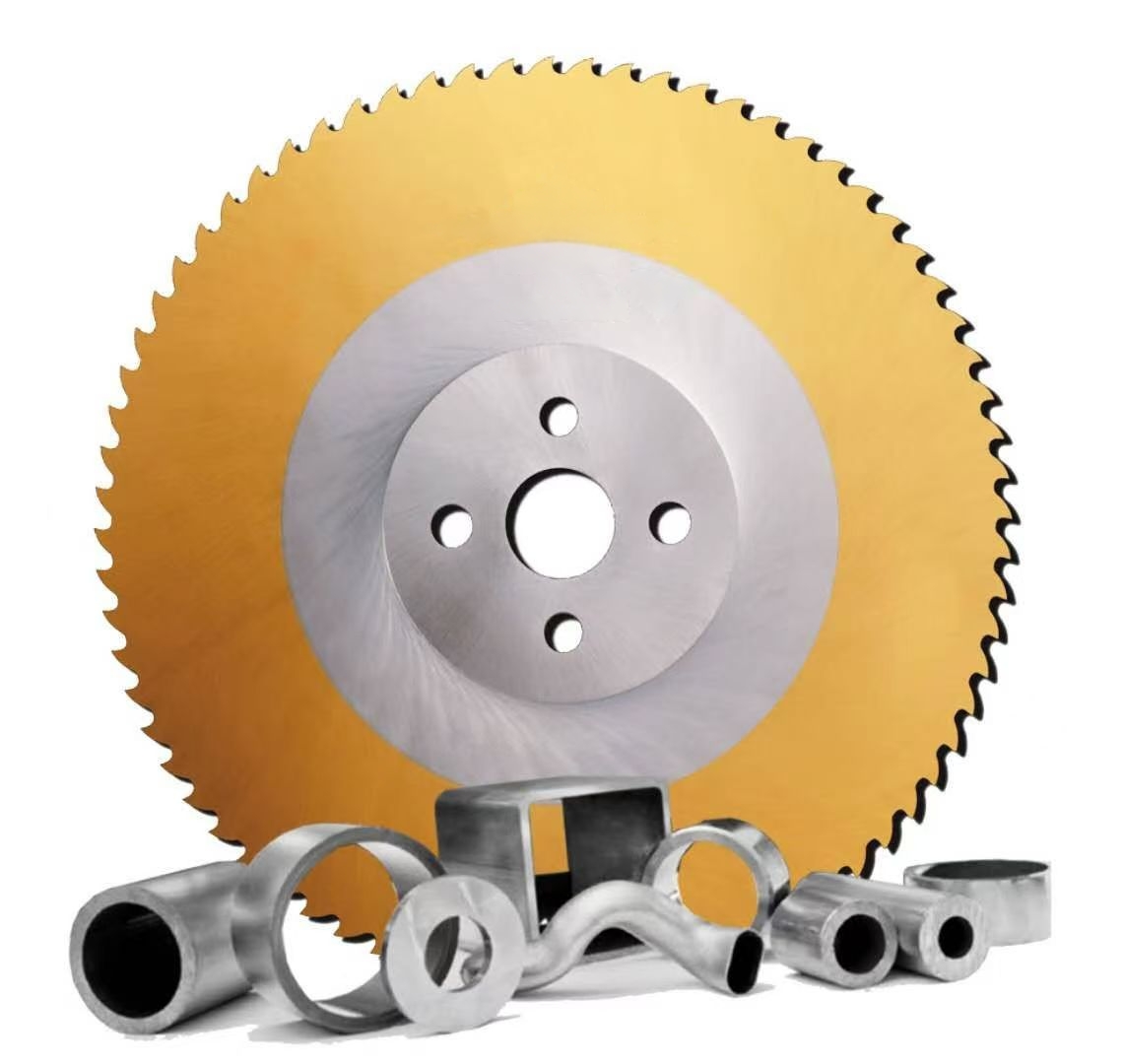
二、Core Indicator Two: Power and Adaptability
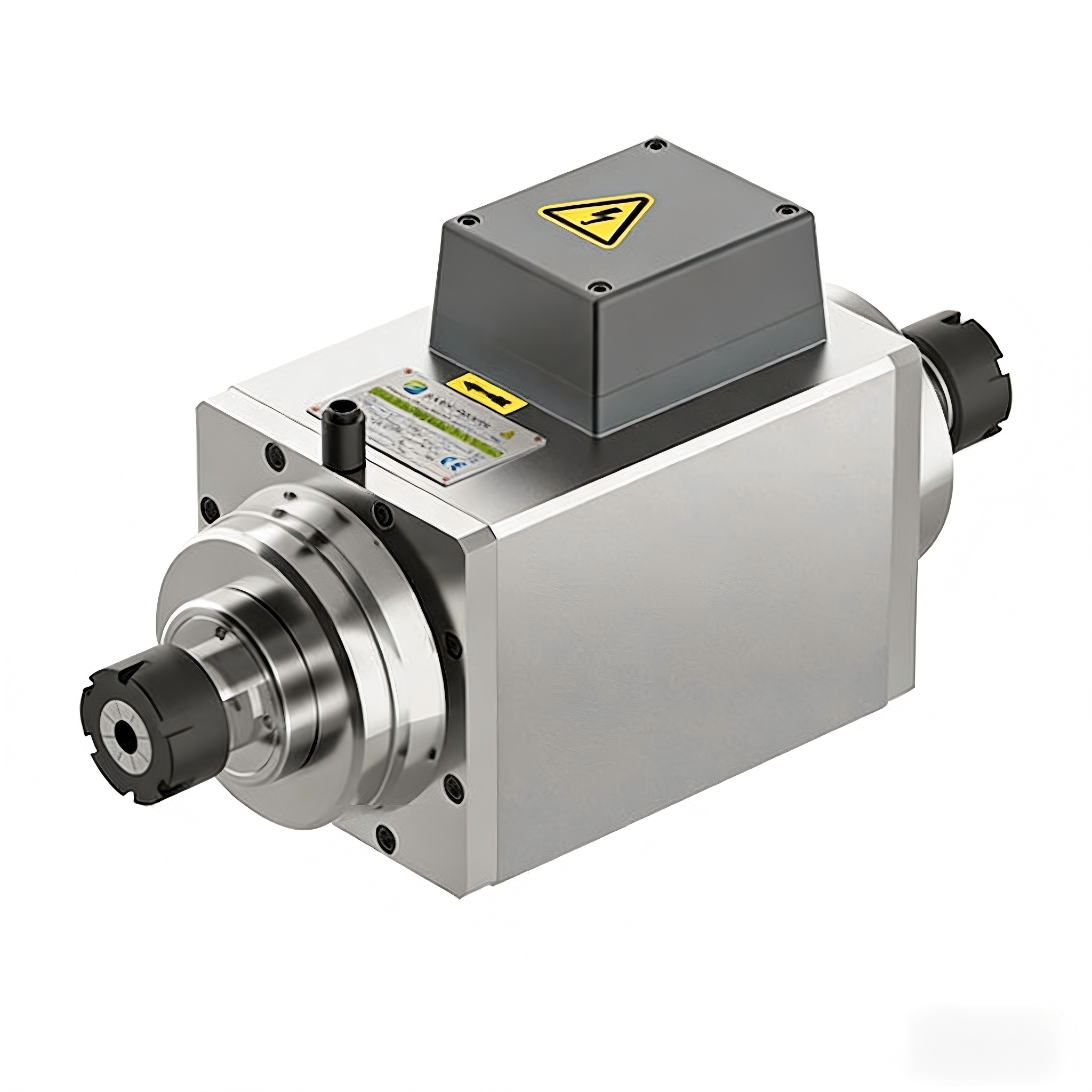
The power system directly affects the cutting capability of an aluminum cutting machine, with the spindle system being the core. The spindle power must be selected based on the thickness of the aluminum material being processed. For example, cutting thin aluminum sheets may require a 3-5kw spindle, while cutting thick aluminum profiles necessitates a high-power spindle of 7.5kw or more. Beyond power, the spindle speed range and torque balance are also critical. A wide speed range allows adaptation to different cutting tools and processing needs, while torque balance ensures a stable cutting process, avoiding issues like aluminum adhesion or saw jamming.
Tool adaptability should not be overlooked. In terms of tool holder types, hydraulic tool holders offer better clamping accuracy and stability compared to ER collet chucks, making them suitable for high-precision cutting, though they come at a relatively higher cost. A tool cooling system is a necessity, as effective cooling reduces tool wear, minimizes aluminum material deformation, and improves cut surface finish. Different aluminum alloy materials also have varying cutting requirements. For example, 7075 hard aluminum alloy has high hardness, placing greater demands on tools and power. When selecting a machine, ensure it is compatible with the materials you process.
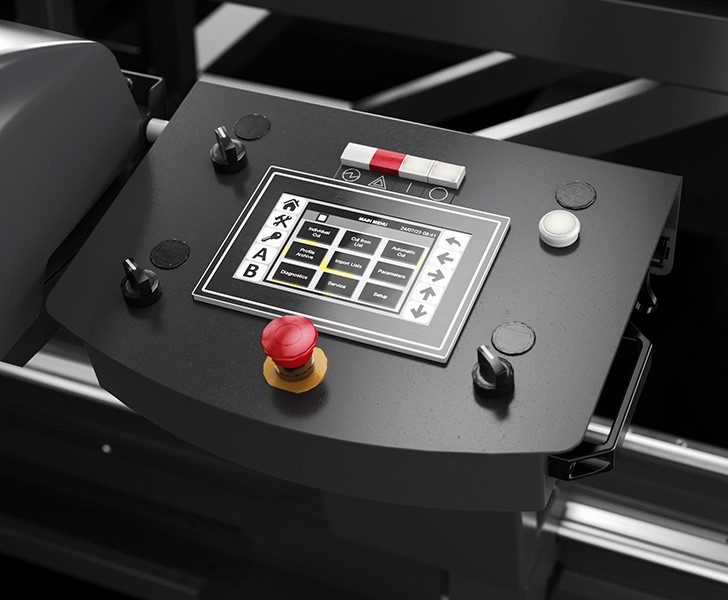
The control system is the "brain" of an aluminum cutting machine, directly impacting operational difficulty and processing efficiency. For beginners, dedicated controllers often feature simpler interfaces and are easier to master, making them suitable for scenarios with relatively straightforward processing needs. PC-based systems offer more powerful functionalities but are more complex to operate, making them better suited for users with some technical foundation or those processing complex workpieces. The user-friendliness of the operation interface is crucial; clear labeling and simple operational logic can significantly reduce the learning curve.
In terms of core functionalities, automatic tool setting and broken tool detection are practical basic features that reduce human operational errors and prevent batch defects caused by undetected broken tools. Graphical programming and CAD/CAM compatibility enhance programming efficiency, making them suitable for users needing to process complex, irregularly shaped parts. Intelligent辅助 functions, such as collision protection and process parameter libraries, can lower operational risks and help beginners quickly master processing techniques. Remote monitoring and maintenance support enable timely resolution of equipment faults, minimizing downtime.
The core of selecting a machine lies in balancing budget and performance. Beginners must first clarify their own processing needs—whether it's for sample processing or batch production, processing simple profiles or complex irregular parts—and set a reasonable budget range accordingly to avoid blindly pursuing high-end configurations.
An on-site machine test is an indispensable step. Focus on verifying five key operations: cutting effects on aluminum materials of different thicknesses, automatic tool setting accuracy, consistency in batch cutting, the effectiveness of the cooling system, and the smoothness of the operation interface. After the test cut, carefully inspect the sample's cut surface finish and dimensional errors to ensure they meet your processing standards.
After-sales service should not be overlooked. Read the warranty terms carefully, paying special attention to the warranty period for core components like the spindle and guide rails. Understand the local technical support response time of the manufacturer to ensure timely repairs in case of equipment failure, minimizing production losses.
Pipe Bending Machine Selection "Pitfall Avoidance" Guide: A Full Process Analysis from Needs to Implementation
Common Tube End Forming Defects and Prevention
Related Article


