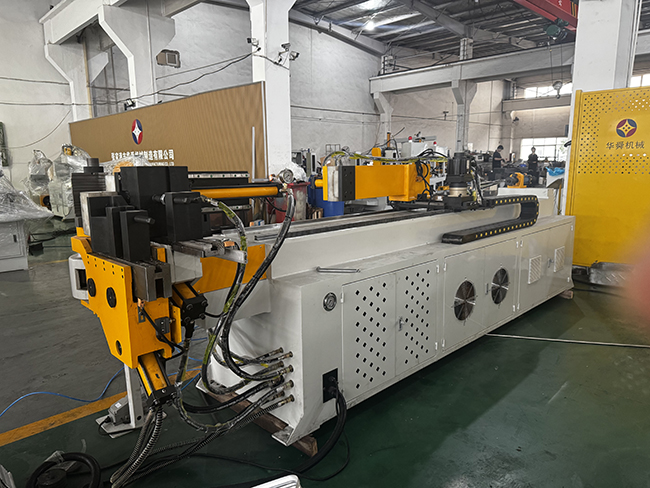
How to Select a Chamfering Machine: A Comprehensive Guide to Distinguishing Various Models
author: Huashun Machinery
2026-04-15

In industries such as hardware processing, pipe manufacturing, automotive parts, and sanitary ware hardware, chamfering has long ceased to be an "optional" procedure. Removing burrs, preventing sharp edge scratches, improving assembly accuracy, and optimizing product appearance all rely on standardized chamfering treatments. To achieve efficient and stable processing, selecting the appropriate chamfering machine is crucial.
The market offers a wide variety of chamfering machine models, primarily categorized into three types: single-head, double-head, and fully automatic models. New users often struggle to distinguish between them and find it challenging to make informed choices based on production volume, workpiece types, or budget constraints. This article provides a clear and accessible explanation of the differences and application scenarios among these three models, helping you make the right selection without common pitfalls.
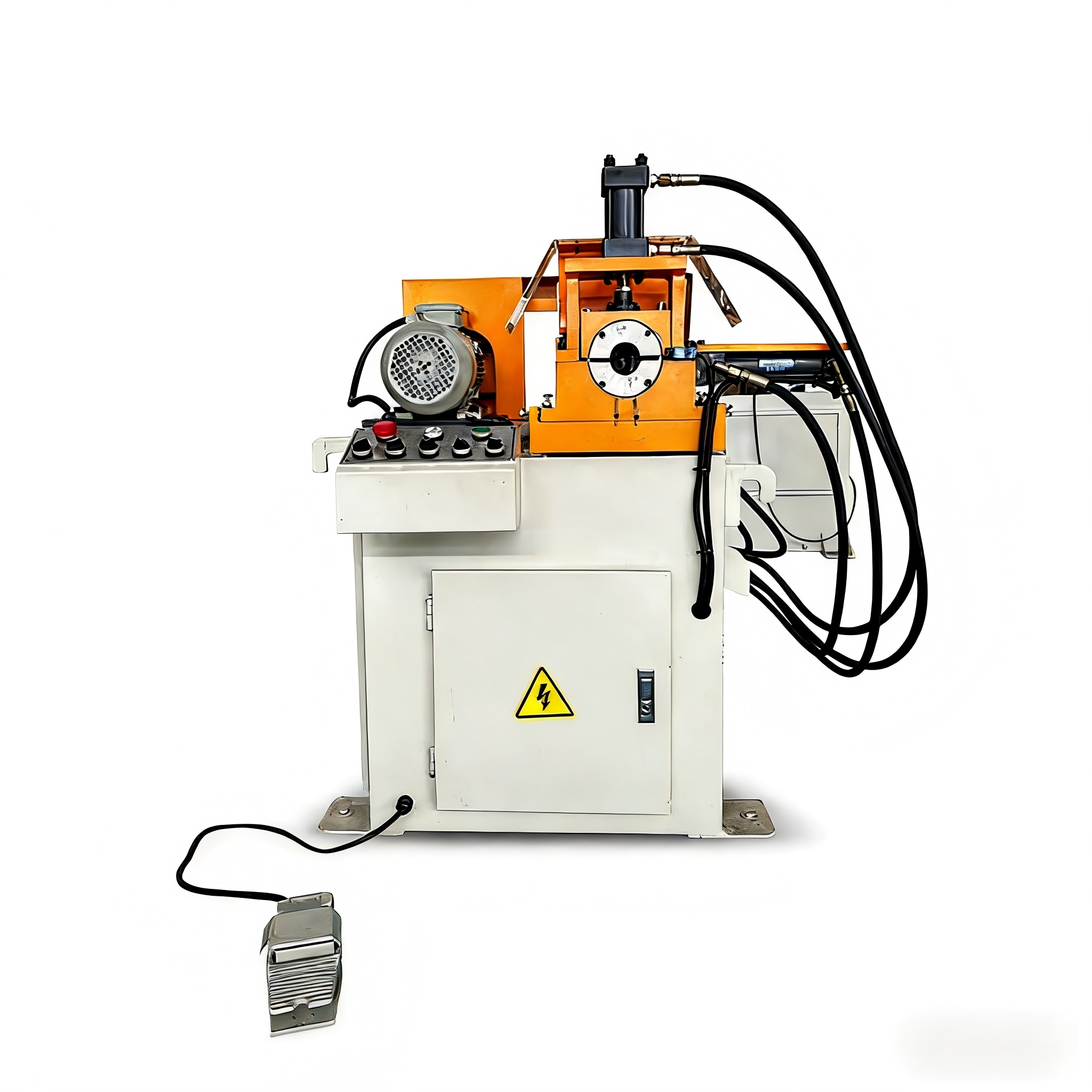
I. Single-head chamfering machine: Compact and flexible, suitable for small-batch simple machining
The single-end chamfering machine features a simple structure with a chamfering workhead installed at one end. It is primarily used for deburring, chamfering, and end face flattening of single ends of pipes, bars, and profiles.
Core features:
Compact in size, occupying minimal space, and easy to move
Simple to operate and quick to learn, with low requirements for operators.
Affordable pricing with low maintenance costs
Suitable for short materials, small workpieces, and small-batch production
applicable scene :
Scenarios involving small-scale workshop processing, repair processing, sample prototyping, workpiece chamfering at one end only, and low production volume. If your products are primarily single-piece or small-batch production with moderate efficiency requirements, a single-head chamfering machine represents a highly cost-effective solution.
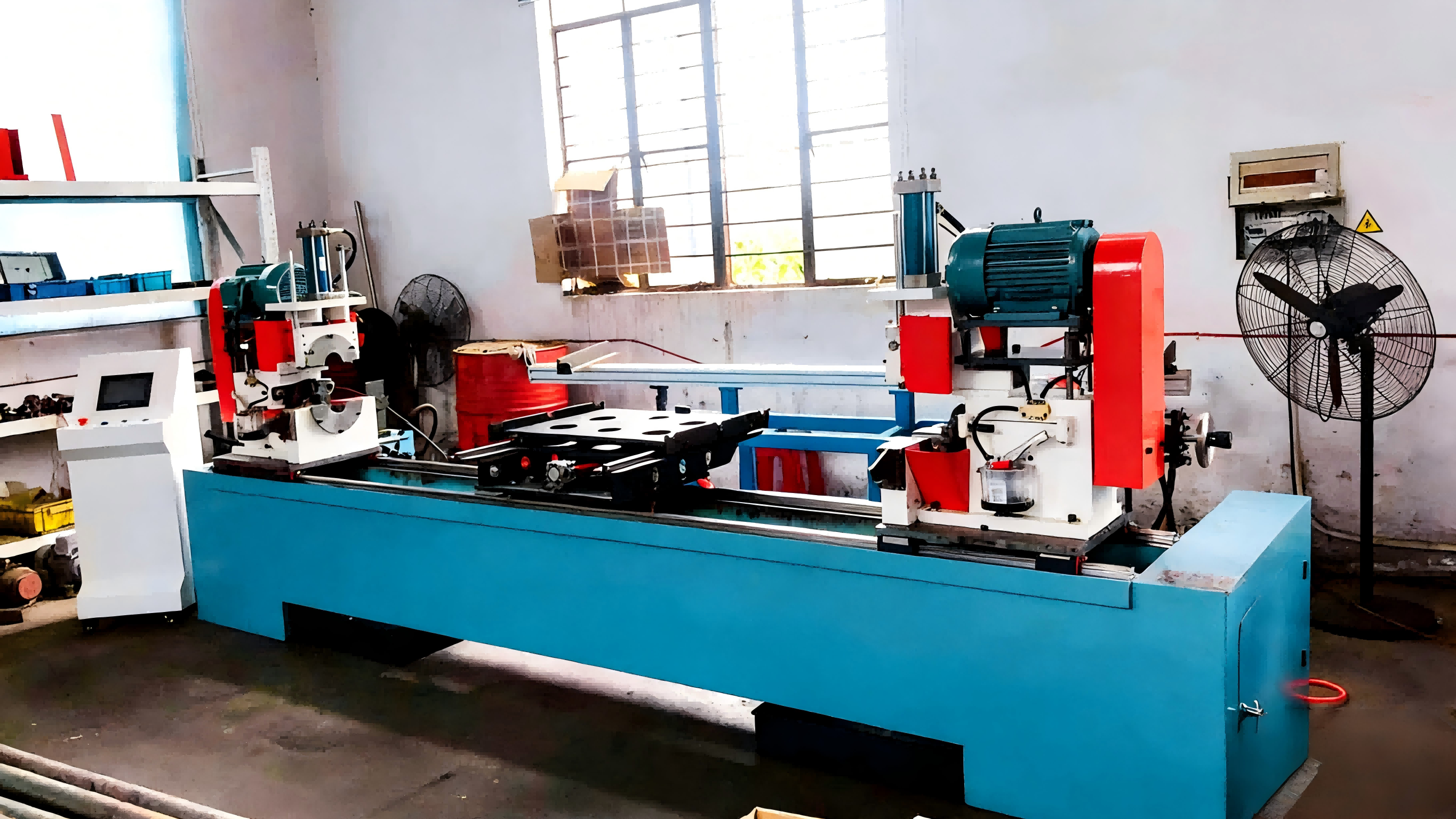
II. Double-end chamfering machine: Synchronous processing at both ends, significantly improving efficiency
The double-head chamfering machine features working heads on both sides of the machine body, enabling simultaneous chamfering, chamfering of flat edges, and deburring of workpieces without secondary clamping, resulting in a more streamlined process.
Core features:
Simultaneous machining at both ends results in significantly higher efficiency compared to single-head machines.
Single-clamping molding for better dimensional consistency
Applicable to common workpieces such as long materials, round tubes, square tubes, and bars.
Moderate price, positioned between single-head machines and fully automatic models
applicable scene :
Scenarios involving batch processing of round pipes, square pipes, aluminum pipes, steel pipes, and stainless steel pipes, where chamfering is required at both ends of the workpieces. Examples include standardized products such as furniture piping, automotive parts fittings, and hardware brackets. The use of a double-end chamfering machine ensures both quality and cost control.
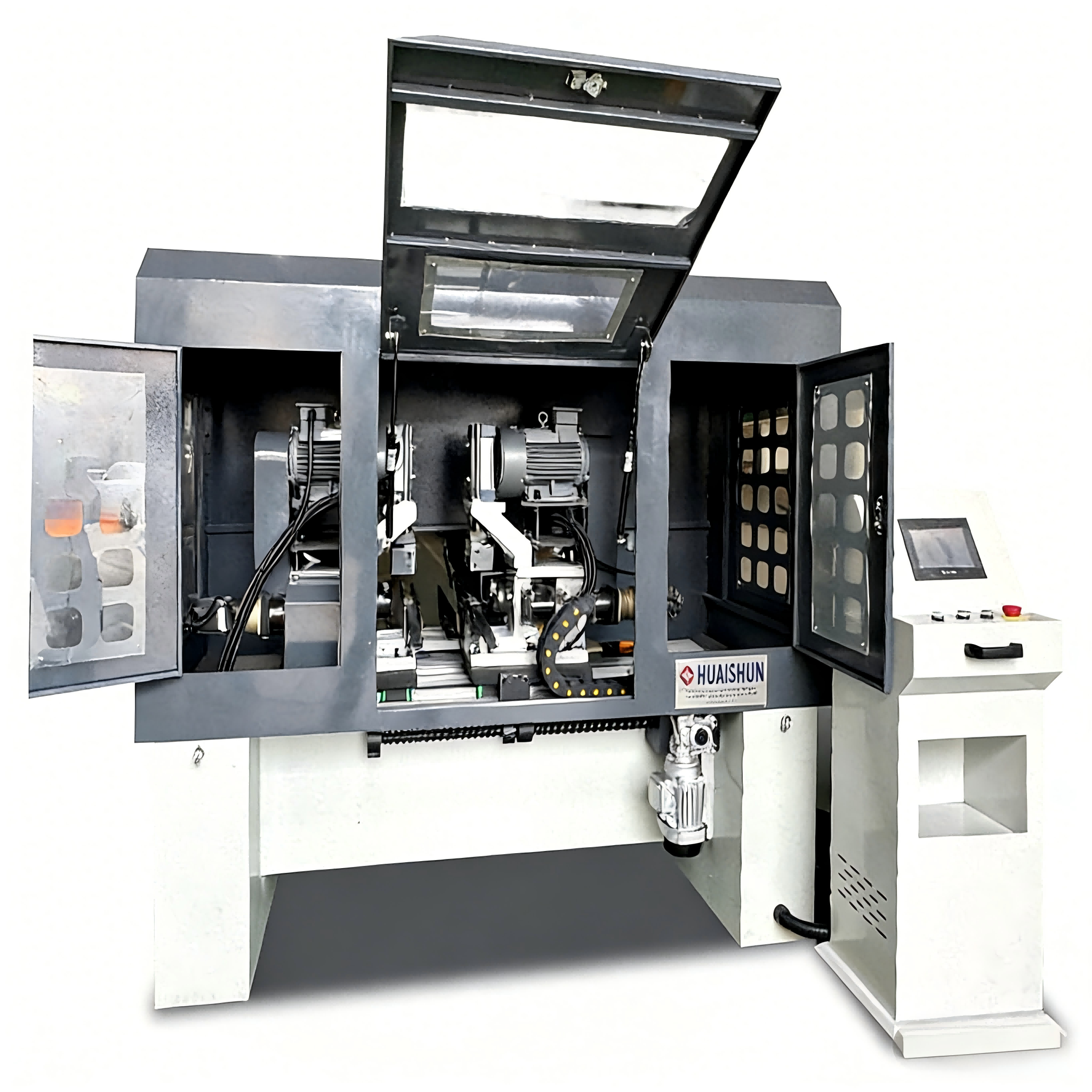
III. Fully Automatic Chamfering Machine: Automated Production with High Yield, Efficiency, and Labor Savings
The fully automatic chamfering machine integrates functions such as automatic feeding, automatic material supply, automatic clamping, automatic chamfering, and automatic unloading, requiring minimal manual intervention throughout the process. It is classified as an intelligent processing equipment.
Core features:
Fully automated operation, saving labor, allowing one operator to monitor multiple devices
High processing accuracy and strong stability, suitable for large-scale continuous production
It can be paired with assembly lines to achieve highly automated production.
Highly versatile, capable of performing complex chamfering, beveling, and end face machining.
applicable scene :
Large-scale chemical plants, high-output production lines, standardized mass pipe fitting processing, and industries with stringent requirements for precision and consistency, such as automotive components, sanitary ware, construction machinery parts, and high-end hardware products.
IV. How to Select Class III Chamfering Machines? A Quick Assessment Using a Table
Pursuit of low cost, small batch size, and simple processing → Selection of single-head chamfering machine
Batch processing, chamfering at both ends, balancing efficiency and budget → Select a double-end chamfering machine
Mass production, automated production lines, labor-saving and quality improvement → Selection of fully automatic chamfering machines
Many users tend to fall into the misconception that "the more expensive, the better" when making purchasing decisions. In reality, equipment tailored to their specific manufacturing processes is the most practical choice. Blindly pursuing high-end configurations can lead to production capacity waste, while selecting underperforming equipment may result in failure to meet production schedules. Only through comprehensive evaluation of workpiece dimensions, machining requirements, daily output volume, and facility conditions can true cost reduction and efficiency improvement be achieved.
Whether it is single-head, dual-head, or fully automatic models, the core objective is to simplify, enhance efficiency, and improve stability in processing. When selecting equipment, it is essential to clarify one's specific requirements and compare factors such as device precision, stability, after-sales service, and brand reputation to ensure the selection of a chamfering machine that truly meets production needs.
Huashun MC-425CNC Fully Automatic CNC Pipe Cutting Machine: Precision Cutting, Smart Future
Huashun SG-800 Saw Blade Sharpener: Precision Sharpening for Carbide and HSS Blades