Heat-Affected Zones in Aerospace Laser Cutting: Factors and Methods for Quality Control
author: Huashun Machinery
2026-06-24

As aerospace manufacturing continues to advance, laser cutting has become a widely adopted processing method for aircraft structural components, engine parts, titanium alloy components, and high-temperature alloy materials. Its advantages, including high precision, fast processing speed, and flexible operation, make it an essential technology in modern aerospace production. However, aerospace components must meet extremely strict requirements for dimensional accuracy, mechanical performance, and long-term reliability. As a result, controlling the Heat-Affected Zone (HAZ) during laser cutting remains a critical aspect of process optimization.
A heat-affected zone refers to the area surrounding the cut where the material is exposed to elevated temperatures but is not directly melted or removed. Although there may be little visible change on the surface, the internal microstructure and material properties can be altered. Common effects include grain growth, hardness variation, increased residual stress, and localized oxidation.
A heat-affected zone refers to the area surrounding the cut where the material is exposed to elevated temperatures but is not directly melted or removed. Although there may be little visible change on the surface, the internal microstructure and material properties can be altered. Common effects include grain growth, hardness variation, increased residual stress, and localized oxidation.
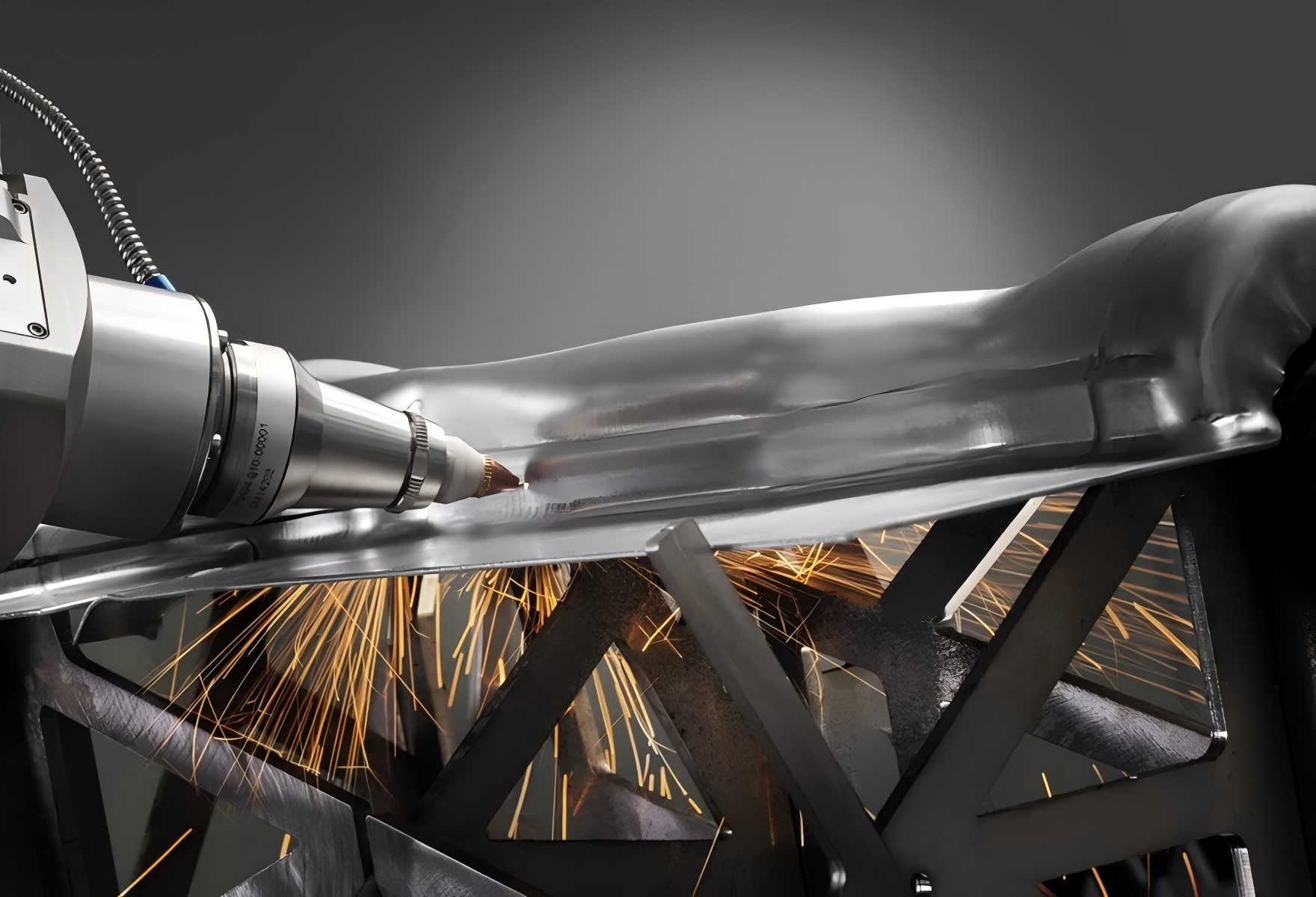
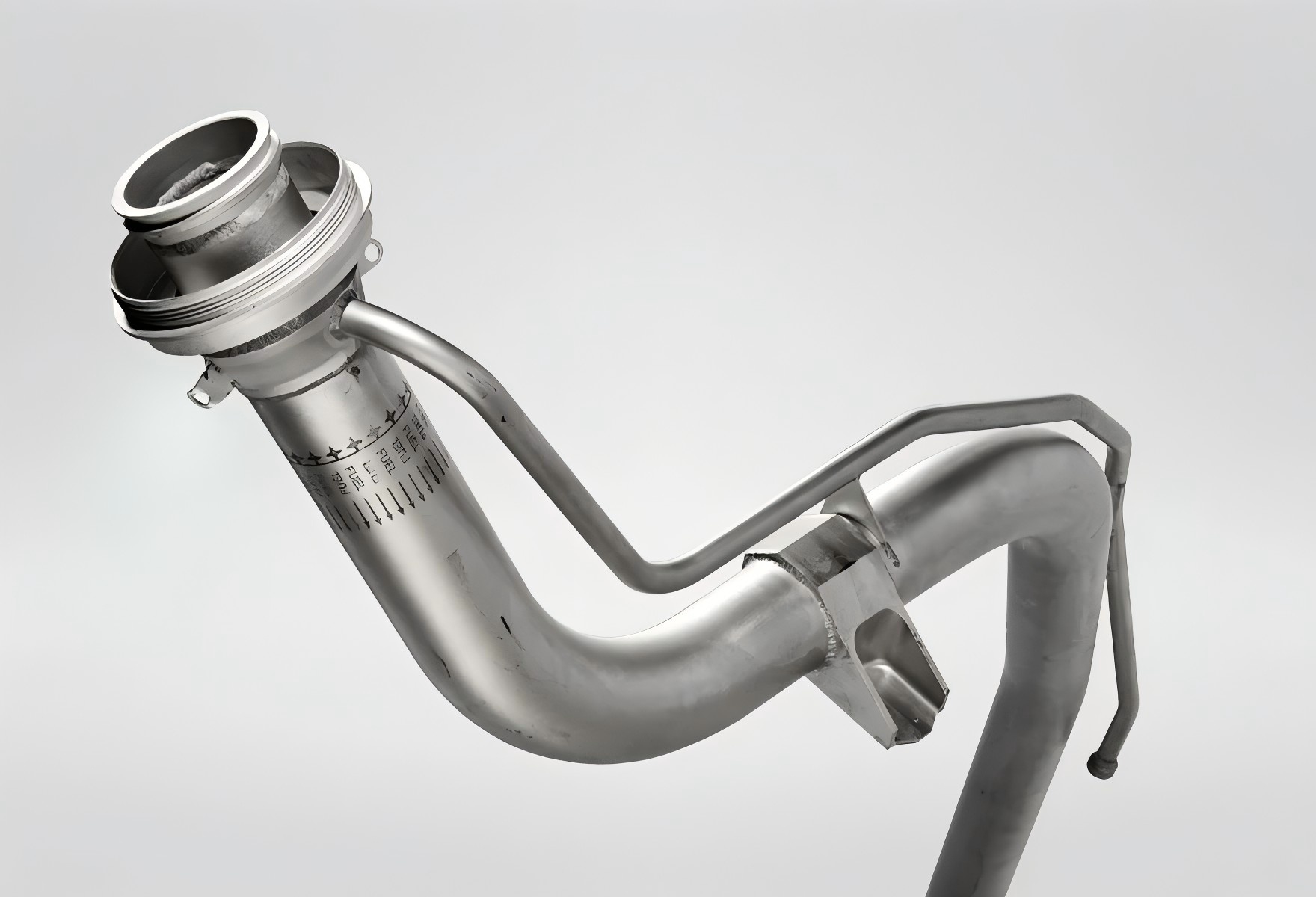
Materials commonly used in aerospace applications, such as titanium alloys, nickel-based superalloys, and certain composite materials, are particularly sensitive to thermal input. If heat is not properly controlled during cutting, an excessively large heat-affected zone may lead to reduced material performance, dimensional distortion, or even the formation of microcracks. These issues can negatively affect component accuracy and shorten fatigue life, corrosion resistance, and overall service life. For aerospace parts that operate under extreme temperatures, pressures, and cyclic loading conditions, minimizing such risks is essential.
Compared with general industrial manufacturing, aerospace production requires much tighter control over the heat-affected zone. Even small changes in material structure can influence assembly accuracy and operational reliability. Therefore, reducing and stabilizing the HAZ while maintaining cutting efficiency has become one of the key indicators of high-quality laser processing.
In practical manufacturing, optimizing cutting parameters is one of the most effective ways to control the heat-affected zone. Laser power, cutting speed, focal position, and pulse frequency all influence the amount of thermal energy introduced into the material. Excessive laser power or slow cutting speeds can increase heat accumulation, resulting in a wider HAZ. By carefully balancing these parameters, manufacturers can reduce heat exposure time and minimize thermal damage.
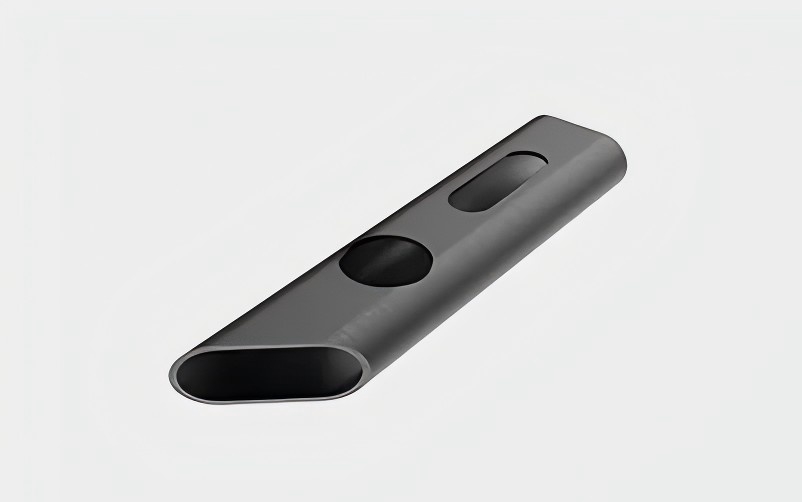
The choice of assist gas is another important factor. During the processing of titanium alloys, stainless steel, and other aerospace materials, nitrogen or argon is often used as the assist gas. These inert gases help prevent oxidation at high temperatures, reducing the formation of brittle oxide layers and improving the overall quality of the cut edge.
In recent years, advanced laser cutting systems have increasingly incorporated synchronized cooling technologies. During the cutting process, cooling airflows or specialized nozzles are used to dissipate heat in real time, helping to control temperature buildup and further reduce the width of the heat-affected zone. This approach not only improves edge quality but also minimizes the need for secondary finishing operations such as grinding and polishing, thereby increasing production efficiency.
Modern laser cutting machines are also equipped with intelligent CNC control systems capable of automatically adjusting processing parameters according to material type, thickness, and application requirements. For complex aerospace components, this level of automation helps maintain consistent thermal input, improves process stability, and ensures repeatable product quality.
In summary, heat-affected zone control is a crucial factor in aerospace laser cutting. Through optimized cutting parameters, appropriate assist gas selection, advanced cooling methods, and intelligent process control, manufacturers can effectively reduce the negative effects of thermal exposure while maintaining high precision and reliability. As laser technology continues to evolve, more advanced low-heat-input cutting solutions are expected to emerge, further supporting the development of high-quality aerospace manufacturing.
How Can Furniture Tube Processing Become More Efficient? Laser Tube Cutting Offers a Better Solution
Why Is a Laser Tube Cutting Machine Essential for Mass Customization in the Automotive Industry?
Related Article

Explore Huashun's MC-405CNC-3A fully automatic aluminum cutting machine, featuring servo feeding, horizontal sawing, pneumatic clamping, and touchscreen PLC control.
MC-405CNC-3A Fully Automatic Aluminum Cutting Machine: Servo Feeding and Integrated Cutting