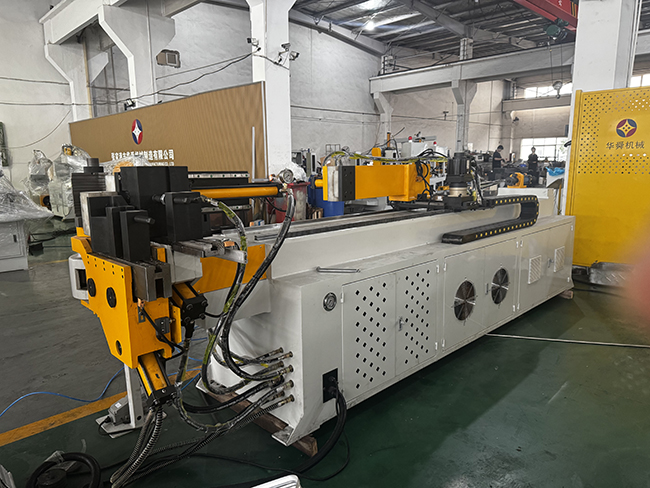
EF-230 & EF-80PV Tube Chamfering Machines for Metal Tube Processing
author: Huashun Machinery
2026-10-29

In metal tube manufacturing, cutting a tube to the required length is often only the first step. The cut ends may need further processing before the tubes can be assembled, welded, or used in finished products. Chamfering is one of the key operations in this process, helping create suitable edges and prepare tube ends for subsequent manufacturing steps.
Huashun Machinery offers tube processing equipment for a variety of industrial applications. The EF-230 and EF-80PV are models to consider when evaluating tube end preparation solutions for metalworking production.
Why Is Tube End Chamfering Important?
After cutting, metal tubes may have sharp edges or burrs that require additional treatment. Depending on the application, the tube ends may also need a specific edge profile to meet assembly or production requirements.
Tube end chamfering helps prepare workpieces for further processing. The required operation varies according to the product design and manufacturing process. Some applications require external chamfering, while others may need internal chamfering, end-face machining, or a combination of operations.
Consistent end preparation is particularly important when multiple workpieces must meet the same requirements. A suitable machining process helps manufacturers manage edge quality and maintain consistency across production batches.
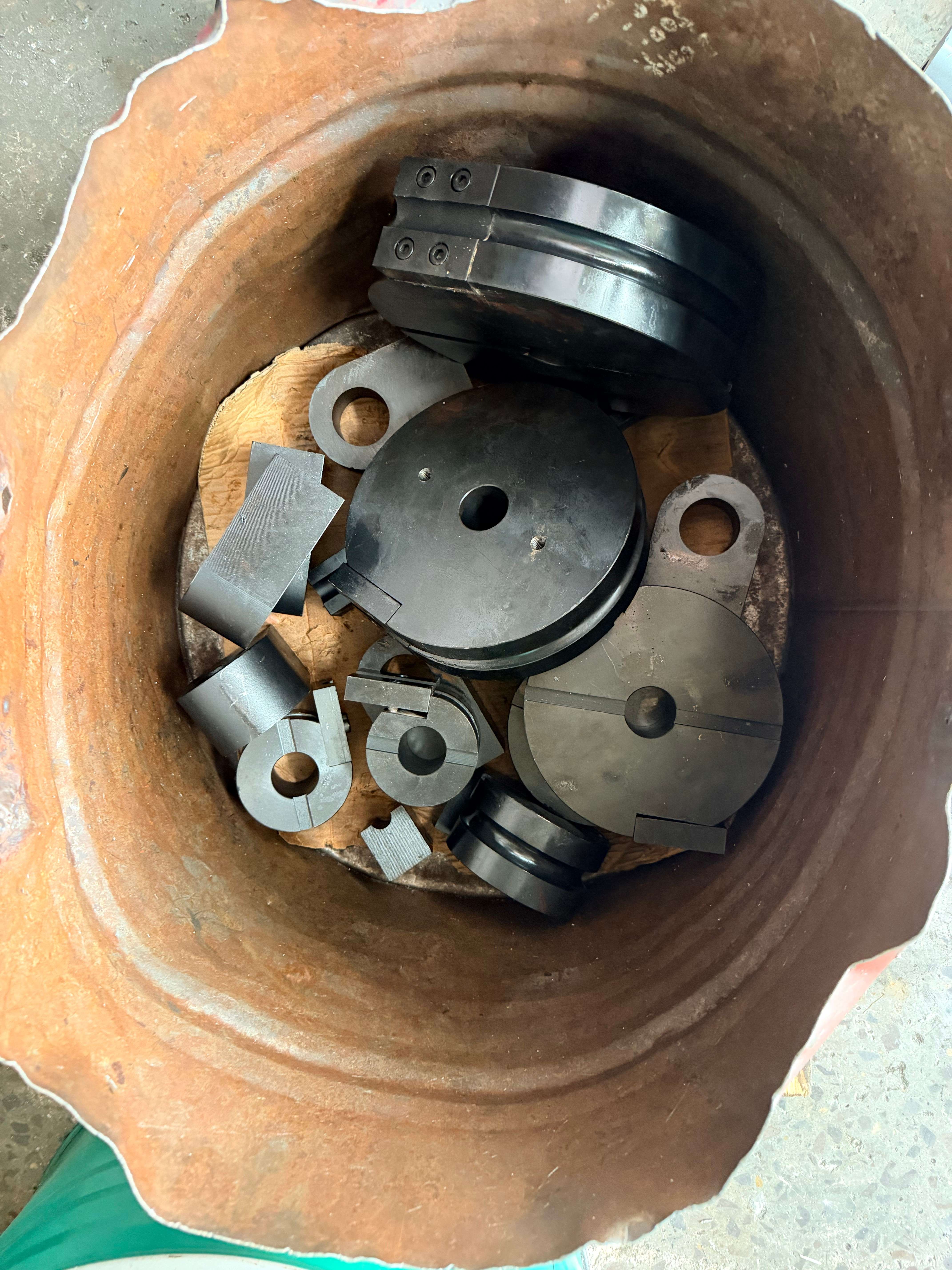
Tube Chamfering for Different Metalworking Applications
Tube end preparation is used in many industries that manufacture products from metal tubing. Depending on the workpiece design, chamfering may be required before assembly, welding, connection, or other downstream operations.
Typical applications include:
- Automotive components:** Metal tubes used in exhaust systems and other vehicle components may require end preparation before further fabrication or assembly.
- Furniture manufacturing:** Metal tubes used in frames, supports, and structural components may need their edges processed before assembly.
- Industrial equipment:** Tubular components used in machinery and equipment may require consistent end profiles to meet production requirements.
- General metal fabrication:** Manufacturers processing different tube products may need chamfering operations as part of their overall workflow.
The exact requirements depend on the tube material, dimensions, wall thickness, and intended application. Selecting suitable equipment and tooling is therefore an important step in establishing an effective production process.
EF-230 & EF-80PV: Options for Tube End Preparation
When choosing tube chamfering equipment, manufacturers should consider both the workpiece specifications and the required machining operations. The EF-230 and EF-80PV can be evaluated according to the needs of the intended application.
Rather than selecting equipment based on the model name alone, it is important to confirm the compatibility between the machine, the tube, and the required end profile.
Several factors should be considered during equipment selection:
Tube dimensions
The outer diameter, wall thickness, and length of the workpiece affect the choice of equipment and tooling. Manufacturers should confirm that the intended tube specifications are suitable for the selected model.
Material requirements
Different materials, such as carbon steel, stainless steel, copper, and aluminum, may require different cutting tools and machining conditions. Tooling should be selected according to the material and the desired finishing result.
Chamfering profile
The required end profile should be clearly defined before production. Depending on the application, the process may involve external chamfering, internal chamfering, or end-face machining.
Production requirements
The expected workload, batch size, and required consistency are also important considerations. Understanding the production process helps manufacturers evaluate which equipment configuration is more appropriate for their needs.
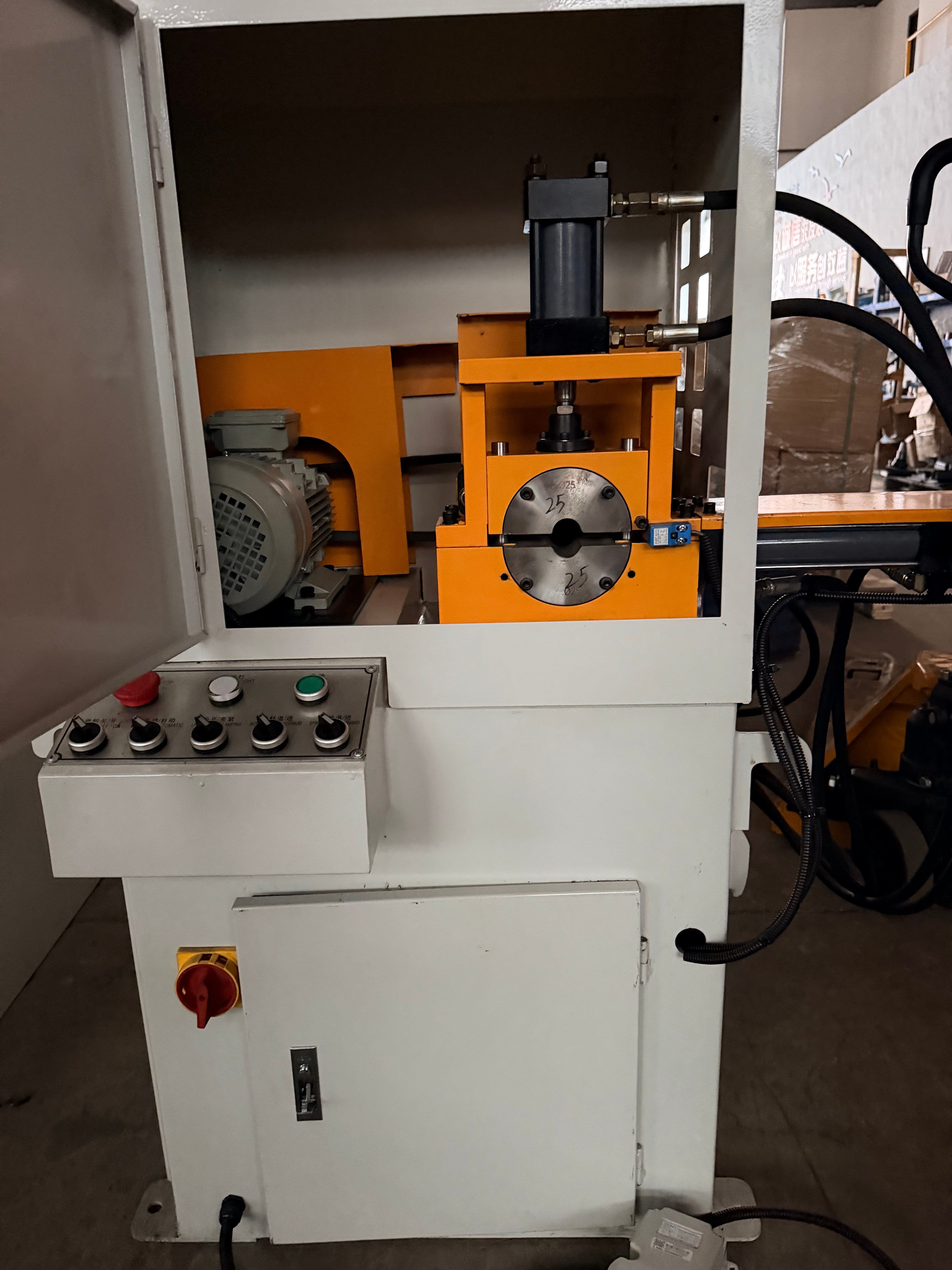
From Tube Cutting to Finished Components
In a typical tube processing workflow, cutting and chamfering serve different purposes. Cutting establishes the required workpiece length, while chamfering prepares the tube ends for the next manufacturing operation.
When these processes are properly planned, manufacturers can organize tube preparation more efficiently and reduce unnecessary handling between production stages. The final workflow depends on the product design, the number of operations required, and the layout of the production line.
For manufacturers handling multiple tube specifications, it is useful to define the machining requirements for each workpiece before selecting equipment. This includes confirming the material, dimensions, end profile, and any additional finishing requirements.
A clear understanding of these details helps ensure that the selected equipment meets the actual needs of the production process.
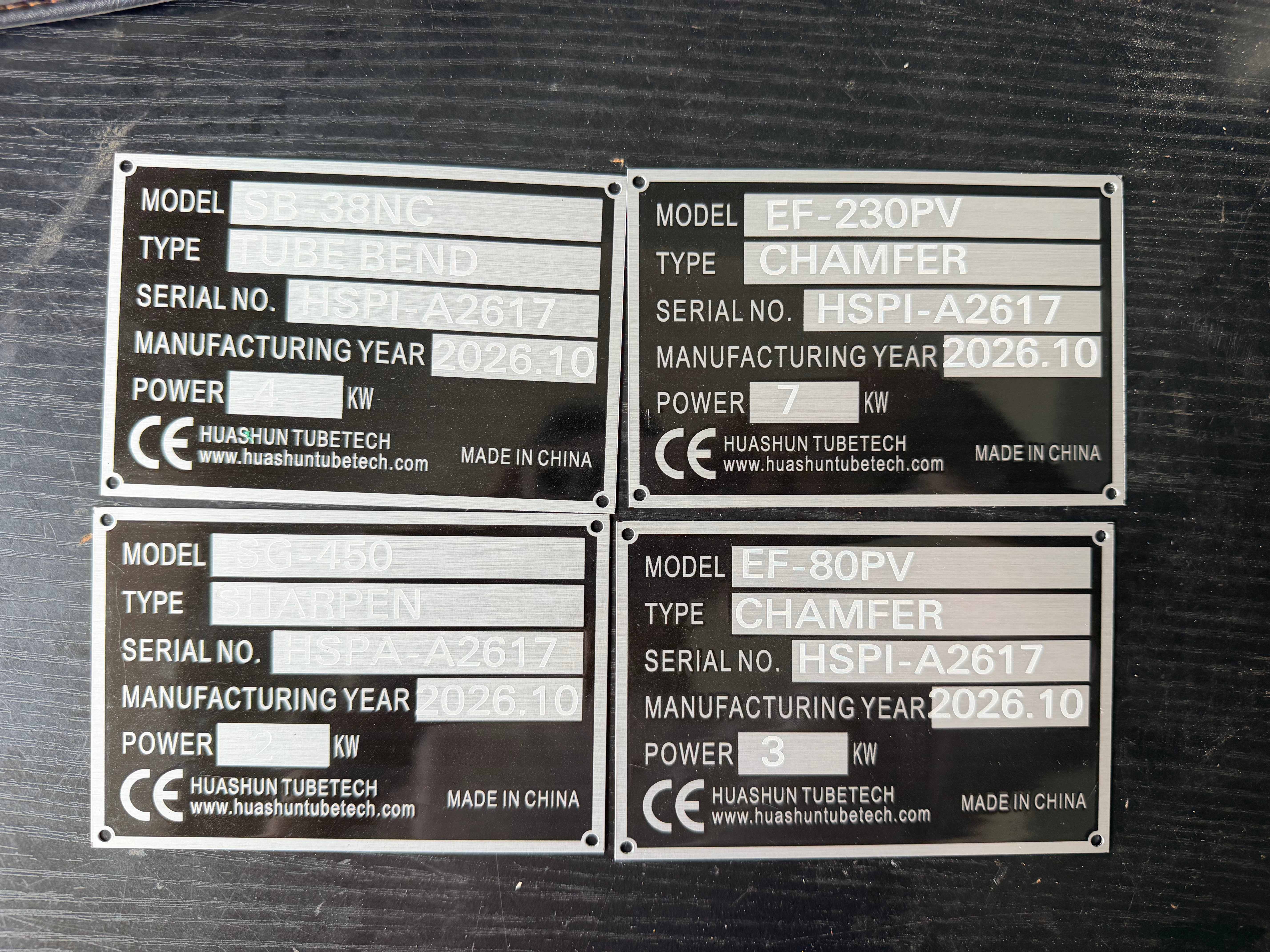
Finding the Right Tube Chamfering Solution
Choosing a suitable tube chamfering machine involves more than identifying a model. Manufacturers need to consider the complete application, from the raw tube specifications to the required finished edge.
For the EF-230 and EF-80PV, the appropriate selection should be based on verified machine specifications, workpiece dimensions, required chamfering operations, and production conditions. Providing sample workpieces, technical drawings, or detailed processing requirements can help clarify the most suitable configuration.
Huashun Machinery focuses on tube and pipe processing equipment for industrial manufacturing. By matching equipment to the actual workpiece and production requirements, manufacturers can establish a tube end preparation process suited to their applications.
If you are evaluating tube chamfering equipment for your production, sharing your tube specifications and required end profile is a practical starting point for selecting a suitable solution.
39CNC6A4S Six-Axis Four-Stack CNC Tube Bending Machine: 3D Structure Analysis and Automated Forming Advantages