
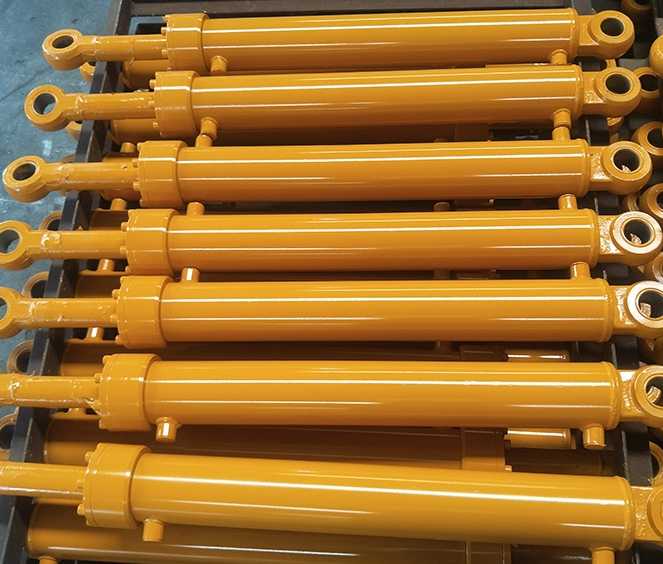
Bender hydraulic cylinder common failure solutions

Common faults and causes:
1. Hydraulic cylinder oil leakage
● Seal problems: hydraulic cylinder seals are worn or aged, losing sealing effect.
● Cylinder or piston rod damage: cylinder or piston rod surface wear, scratches, resulting in poor sealing.
● Poor sealing of the end cover: The sealing part of the hydraulic cylinder end cover is damaged, causing oil to leak from the end cover.
2. Hydraulic cylinder does not operate or has no power.
Internal blockage: Impurities in the piston, piston rod or cylinder barrel cause internal blockage in the hydraulic cylinder.
● Oil port blockage: the hydraulic cylinder inlet or outlet port is blocked, the hydraulic oil can not be normal in and out.
Insufficient pressure or flow: insufficient pressure or flow of hydraulic oil to push the hydraulic cylinder to work normally.
● Damaged piston seal: The piston seal of the hydraulic cylinder is damaged, resulting in internal leakage.
3. Hydraulic cylinder movement is slow or unstable
● Hydraulic oil mixed with air: hydraulic oil mixed with air, so that the cylinder movement speed is not stable.
● Hydraulic valve failure: hydraulic valve clogging or spool wear, resulting in inaccurate flow control.
● Piston wear: the cylinder piston is worn, so that the cylinder internal leakage increases, affecting the speed of movement.
● System contamination: there are impurities or contaminants in the hydraulic system, blocking the oil circuit or stalling hydraulic components.
4. Hydraulic cylinder automatic slip
● Loose clamping block bolts: bender cylinder under the clamping block bolts loose.
● two-dimensional system valve failure: hydraulic valve group in the two-dimensional system valve spool wear is too large or spring breakage.
Solutions:
1. For hydraulic cylinder oil leakage
● Replace the hydraulic cylinder seals.
● Repair or replace worn or scored cylinder barrels or piston rods.
Check and repair the sealing area of the end cap.
2. Hydraulic cylinder inactivity or weak action
Clean the inside of the hydraulic cylinder to remove impurities.
●Clean the blockage of the oil inlet and outlet ports.
Check and adjust the pressure and flow rate of the hydraulic system.
Replace the piston seals.
3. For slow or unstable hydraulic cylinder movement
Remove air from the hydraulic fluid.
Clean or replace clogged or worn hydraulic valves.
● Replace worn cylinder pistons.
Clean the hydraulic system and replace the hydraulic oil and filter.
4. For hydraulic cylinder automatic slipping
●Check and tighten the clamp block bolts.
●Replace the spring or spool in the 2D system valve.
Preventive measures:
● Regular inspection and maintenance: regularly inspect the seals, cylinder barrels, piston rods, and other parts of the hydraulic cylinder, and find and replace damaged parts in a timely manner.
●Keep the hydraulic oil clean: replace the hydraulic oil and filter regularly to prevent impurities from entering the hydraulic system.
●Reasonable installation and commissioning: ensure that the concentricity, perpendicularity and straightness of the hydraulic cylinder meet the requirements when it is installed to avoid radial force on the piston rod.
●Improve the dustproof effect: use high-quality dustproof ring to prevent dust and foreign matter from entering the hydraulic cylinder.
Bender hydraulic valve common failure solutions
Symptoms of Insufficient Pressure in Hydraulic Pipe Bender


