
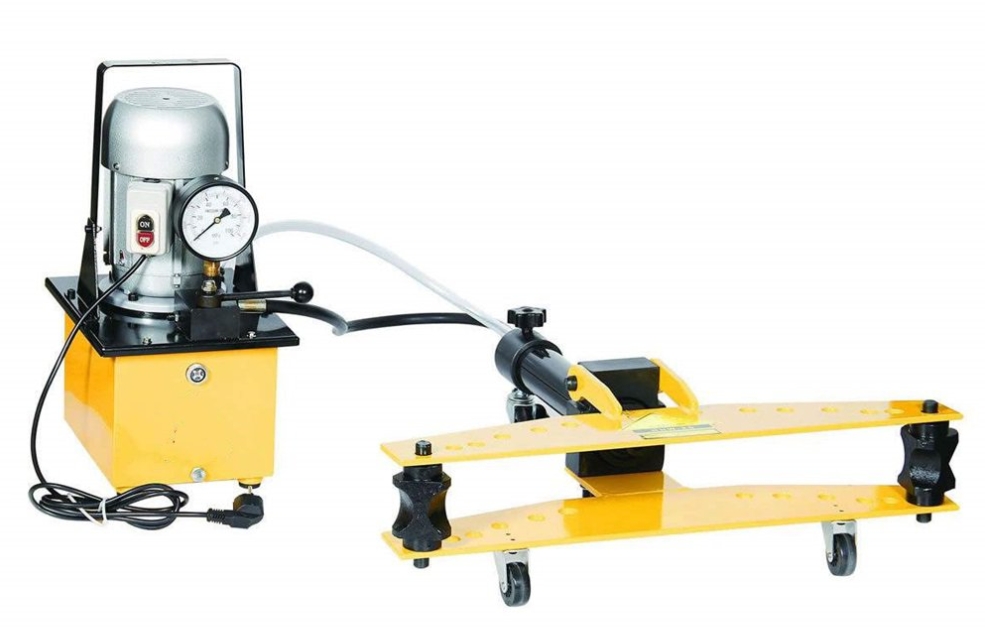
Bender hydraulic pump common failures and solutions
author: Huashun Machinery
2025-04-02

1. Pump not starting or low pressure
Possible Causes:
- Air in the system: Air can enter the pump or hydraulic lines, causing erratic performance or preventing the pump from starting.
- Low fluid level: If the hydraulic fluid is low, the pump may not get the required suction, resulting in low pressure.
- Faulty pressure relief valve: If the pressure relief valve is stuck or malfunctioning, it may not allow pressure to build up.
Solutions:
- Bleed the system: Ensure that all air is removed from the system. Use a bleed valve or let the pump run under low pressure to expel air.
- Check fluid levels: Verify that the hydraulic fluid is at the proper level and top it up if necessary.
- Inspect the pressure relief valve: Check for blockages or damage to the relief valve and clean or replace it if needed.
2. Pump overheating
Possible Causes:
- Overloaded system: The pump might be under excessive load, causing it to overheat.
- Low fluid viscosity: The wrong type of hydraulic fluid or fluid that’s too thin can lead to overheating.
- Cooling system failure: In systems with a cooling circuit, a malfunction can lead to overheating.
Solutions:
- Reduce the load: Check if the pump is working under excessive load conditions and try to reduce the load.
- Use the correct fluid: Ensure that the hydraulic fluid is the right type and has the proper viscosity for the operating temperature.
- Inspect the cooling system: If the pump has a dedicated cooling system, ensure it's functioning properly and that the fluid isn't too hot.
3. Pump cavitation
Possible Causes:
- Low inlet pressure: If the pump isn’t receiving adequate inlet pressure or flow, cavitation (formation of bubbles) can occur, damaging the pump.
- Dirty or clogged filter: A clogged filter can restrict fluid flow, leading to cavitation.
- Excessive fluid viscosity: Too thick a fluid can also prevent proper flow, causing cavitation.
Solutions:
- Check inlet pressure: Ensure that the pump is receiving the correct inlet pressure and that the intake line is clear of blockages.
- Clean or replace filters: Inspect and clean the filters regularly to ensure free fluid flow.
- Check fluid viscosity: Verify that the fluid’s viscosity is within the manufacturer’s recommended range.
4. Excessive noise or vibration
Possible Causes:
- Incorrect pump alignment: Misalignment of the pump or motor can cause vibration and noise.
- Worn components: Over time, bearings, seals, or gears inside the pump can wear down, leading to noisy operation.
- Contaminated fluid: Dirt or metal particles in the hydraulic fluid can damage internal components, causing noise.
Solutions:
- Check alignment: Ensure that the pump and motor are properly aligned and that the mounting hardware is tight.
- Inspect internal components: If noise persists, inspect the pump for worn-out bearings, gears, or other internal parts and replace them as needed.
- Change the fluid: If the fluid is contaminated, replace it and ensure the filtration system is working properly.
5. Leaks
Possible Causes:
- Worn seals or O-rings: Over time, seals and O-rings can deteriorate, causing leaks.
- Loose fittings: Hydraulic fittings may loosen over time, leading to fluid leaks.
- Cracked pump housing: A crack in the pump body or housing can cause fluid leaks.
Solutions:
- Replace seals/O-rings: Inspect all seals and O-rings and replace them if they are worn or damaged.
- Tighten fittings: Ensure all hydraulic fittings are tight and secure. Use thread sealant where necessary.
- Inspect for cracks: If the pump housing is cracked, it may need to be replaced or welded (depending on the severity of the crack).
6. Pump producing insufficient flow
Possible Causes:
- Internal wear: Wear of the internal components, such as the gears or pistons, can reduce the pump’s ability to generate the required flow.
- Blocked suction line: A blockage in the suction line can reduce flow.
- Contaminated fluid: Contaminants in the fluid can impair pump performance.
Solutions:
- Inspect internal parts: Check the pump’s internal components for wear and replace parts as necessary.
- Clear suction line: Ensure that the suction line is free from blockages and that the filter is clean.
- Change fluid: Replace contaminated hydraulic fluid to restore proper pump performance.
Bender hydraulic pipeline common failures and solutions
Bender hydraulic valve common failure solutions


