
Common failures and solutions of the clamping device in hydraulic pipe benders

1. Insufficient Clamping Force
Problem: The clamping device fails to securely hold the tube, causing it to slip during the bending process.
Possible Causes:
- The clamping device is worn or damaged.
- Insufficient pressure in the hydraulic system.
- Oil or dust on the clamping surface.
Solution:
- Inspect and replace any worn clamping components.
- Check the hydraulic system to ensure normal pressure, and replace hydraulic parts if necessary.
- Clean the clamping surfaces to remove oil and debris.
2. Improper Clamping Device Adjustment
Problem: The clamping device cannot accommodate different tube diameters or thicknesses, causing uneven clamping.
Possible Cause:
- Incorrect positioning or adjustment of the clamping force.
Solution:
- Adjust the clamping device according to the tube specifications and bending requirements.
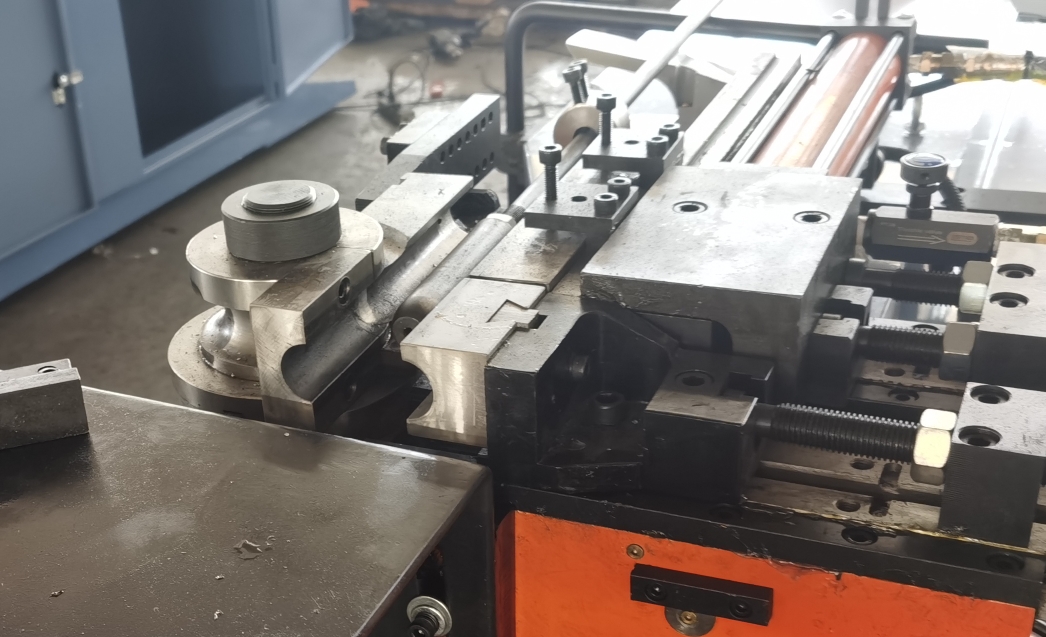
3. Clamping Device Slippage
Problem: The clamping device holds the tube, but the tube still slips during bending.
Possible Causes:
- Excessive wear on the clamping fixture.
- Poor clamping fixture design.
- The tube surface is too smooth.
Solution:
- Replace worn clamping fixtures.
- Optimize the design of the clamping fixture to increase friction between the fixture and the tube.
- Treat the tube surface to increase friction.
4. Hydraulic System Failure
Problem: The clamping device fails to function properly, and hydraulic pressure is unstable.
Possible Causes:
- Contaminated or leaking hydraulic fluid.
- Hydraulic component failure (e.g., solenoid valve, hydraulic cylinder).
Solution:
- Check the quality of the hydraulic fluid and change it regularly.
- Inspect hydraulic components and replace damaged parts as needed.
5. Loose Clamping Device
Problem: The clamping device becomes loose during use.
Possible Cause:
- Loose base frame or other critical components.
Solution:
- Inspect the overall structure and ensure that all fasteners and connections are tight and undamaged.
6. Improper Operation
Problem: The clamping force is insufficient or improperly set.
Possible Cause:
- The operator has not correctly adjusted the clamping device.
Solution:
- Train operators to ensure they understand the correct adjustment and operation procedures.
7. Damaged Clamping Device Surface
Problem: The clamping device surface has scratches or damage, leading to poor clamping performance.
Possible Causes:
- Foreign objects or prolonged wear on the clamping surface.
Solution:
- Clean the clamping surface and remove any debris.
- Repair or replace damaged clamping components.
8. Hydraulic System Pressure Fluctuations
Problem: The clamping device experiences unstable pressure during operation.
Possible Causes:
- Air entering the hydraulic system.
- Failure of hydraulic components (e.g., pressure valve, throttle valve).
Solution:
- Bleed the air from the hydraulic system.
- Inspect hydraulic components and replace any damaged parts.
Maintenance Recommendations
- Regularly check for wear on the clamping device and replace worn components promptly.
- Clean the clamping device surface regularly to keep it clean and smooth.
- Periodically inspect the hydraulic system to ensure the fluid is clean and pressure is stable.
- Train operators to ensure they are familiar with the correct operation and maintenance procedures for the equipment.
Common failures and solutions of the motor in hydraulic pipe benders
Common failures and solutions of the bending molds in hydraulic pipe benders


