
Common failures and solutions of the sensors in hydraulic pipe benders

1. No Signal or Abnormal Signal from Sensor
Possible Causes:
Loose or disconnected cable connections
Faulty or damaged sensor
Abnormal power supply voltage
Signal line interference causing unstable transmission
Solutions:
Inspect cable connections and ensure they are secure
Check for sensor damage and replace if necessary
Verify that the power supply voltage is within the sensor's operating range
Use shielded cables to reduce electromagnetic interference
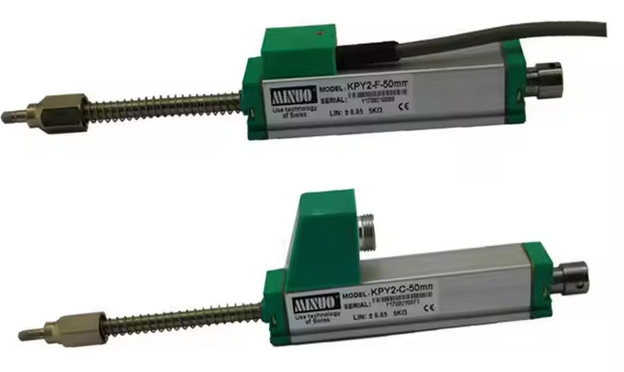
2. Unstable Sensor Output
Possible Causes:
Internal circuitry failure within the sensor
Improper sensor installation or exposure to mechanical vibration
Poor grounding or damaged signal cables
Solutions:
Inspect the sensor for internal faults and replace if necessary
Reposition the sensor to a stable location away from vibration sources
Ensure proper grounding of the signal cable and replace damaged cables as needed
3. Slow or Delayed Sensor Response
Possible Causes:
Dirt or foreign material on the sensor surface
Improper sensitivity settings
Aging of internal sensor components resulting in slower response
Solutions:
Clean the sensor surface thoroughly to remove any contaminants
Adjust the sensitivity settings according to the operating conditions
Inspect for aging or degraded components; replace the sensor if needed
4. Sensor Fault Alarm
Possible Causes:
Damaged or loose cables and connectors
Sensor malfunction or failure
False alarms due to control system misconfiguration or incorrect parameter settings
Solutions:
Inspect all cables and connectors for damage and secure connections
Check the sensor for faults and repair or replace as necessary
Review the control system’s alarm configuration and verify proper sensor parameter settings
5. Sensor Calibration Failure
Possible Causes:
Unstable or incorrectly configured calibration signal source
Hardware failure of the sensor
Significant environmental temperature variations affecting calibration accuracy
Solutions:
Ensure the calibration signal source is stable and correctly configured
Check the sensor hardware for damage or faults
Perform calibration in a temperature-stable environment
6. Sensor Reading Drift
Possible Causes:
Large temperature fluctuations in the operating environment
Aging of internal components resulting in measurement errors
Excessive external force or impact on the sensor
Solutions:
Maintain a stable operating temperature for the sensor
Regularly inspect and calibrate the sensor; replace if aging is severe
Ensure proper installation and protect the sensor from mechanical shock or impact
Preventive Measures:
Perform regular inspections and maintenance, focusing on cable connections and signal quality
Install the sensor in a suitable location, avoiding exposure to vibration, impact, or extreme temperature variations
Use sensors that meet the technical specifications required for the equipment
Common failures and solutions of the control panel in hydraulic pipe benders
Common failures and solutions of the motor in hydraulic pipe benders


