The Application Map of Chamfering Machine in Modern Industry
author: Huashun Machinery
2026-02-05

In the vast realm of mechanical manufacturing, chamfering stands as a seemingly minor yet pivotal process. This technique handles workpiece edges and corners by removing burrs and creating precise beveled surfaces or rounded arcs. Often hailed as the "art of edges," chamfering machines have evolved beyond their traditional role as auxiliary tools. Now embedded in every facet of modern industry, they serve as the cornerstone for ensuring product quality, enhancing production safety, and achieving efficient manufacturing.
一、The Family of Cornering Machine: Equipment Spectrum of Realizing "Edge Art"
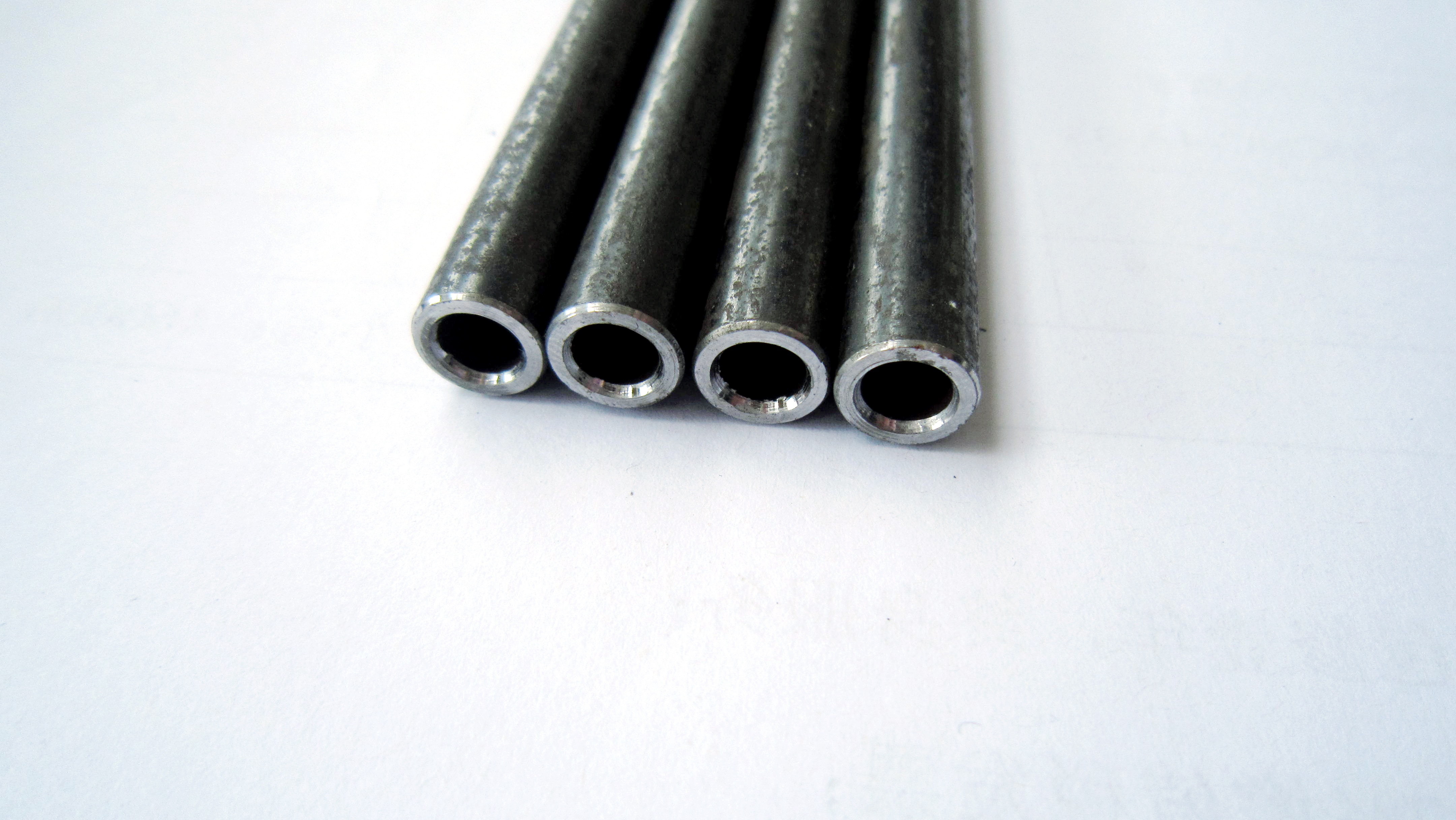
The diverse industrial demands have given rise to specialized chamfering machine families. Handheld or portable models, with their exceptional flexibility, serve as indispensable tools for construction sites, large-scale steel structures, and maintenance operations, enabling precise work on massive components. Desktop or stationary models, offering enhanced stability and accuracy, are ideal for batch processing of small-to-medium standardized parts in workshops. As production advances into automation and digitalization, CNC or automated chamfering machines demonstrate their capabilities—programmable, high-precision, and efficient—perfectly integrating into mass production lines for precision parts. Additionally, specialized equipment for specific applications exists, such as pipe end chamfering machines and welding groove machines, collectively forming a comprehensive technical infrastructure to meet all-domain requirementsIn the vast realm of mechanical manufacturing, chamfering stands as a seemingly minor yet pivotal process. This technique handles workpiece edges and corners by removing burrs and creating precise beveled surfaces or rounded arcs. Often hailed as the "art of edges," chamfering machines have evolved beyond their traditional role as auxiliary tools. Now embedded in every facet of modern industry, they serve as the cornerstone for ensuring product quality, enhancing production safety, and achieving efficient manufacturing.
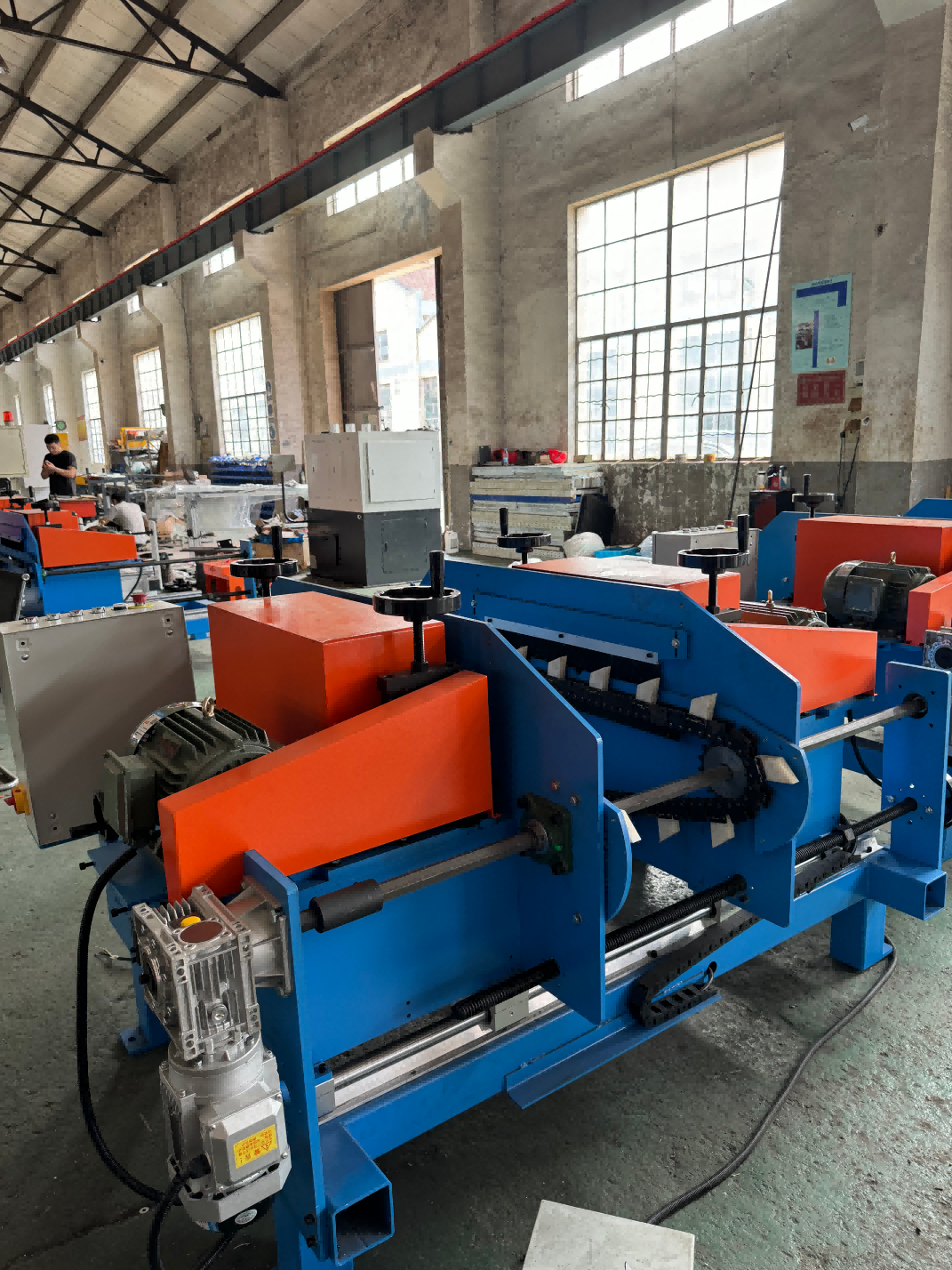
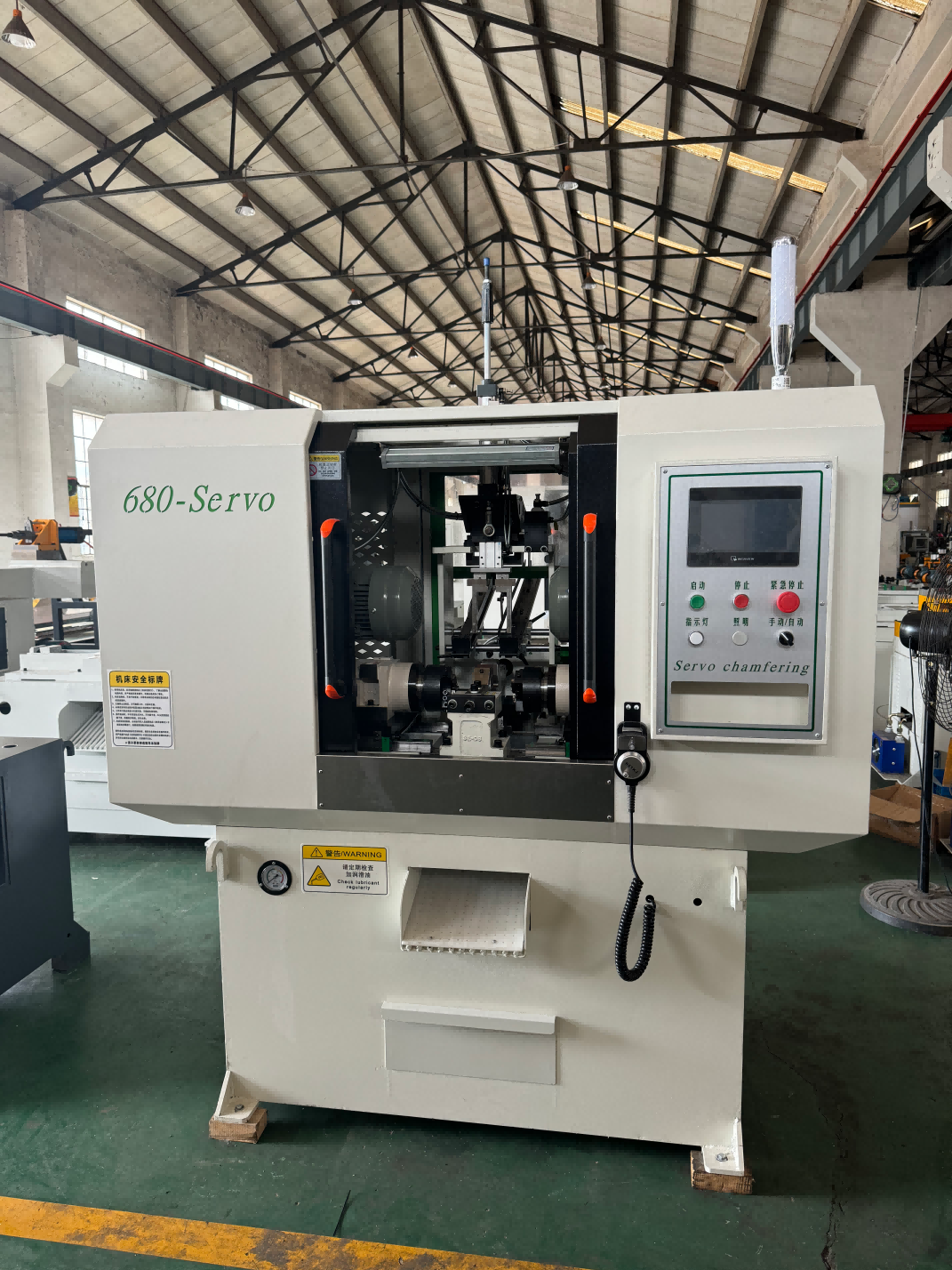
二、In-depth Analysis of Core Application Fields
In the broad foundational field of general mechanical manufacturing and metal processing, chamfering is an essential step in transforming raw materials into finished components. Whether for shafts, discs, plates, or casings, sharp edges and burrs generated during turning, milling, or drilling must be removed and shaped by a chamfering machine. This process serves not only to enhance product aesthetics but also to ensure the quality of subsequent processes (such as heat treatment and electroplating), as well as to facilitate smooth and precise assembly of parts, preventing interference or precision loss caused by minor burrs.
In the mold manufacturing industry that strives for perfection, chamfering serves as the "lifespan guardian". Precise chamfering on critical components like injection molds, die cavities, parting lines, and ejector pin holes effectively prevents stress concentration-induced mold cracking. This process significantly enhances the flow and filling of molten metal or plastic while facilitating easier demolding. A smooth edge directly impacts both the mold's service life and the surface quality of final products, making it a crucial factor with substantial economic value.
In the automotive and transportation industry where scale and safety are equally critical, chamfering machines are ubiquitous. The precision chamfering of engine core components—such as crankshafts, camshafts, and gears—directly impacts the smoothness and durability of power transmission. Similarly, deburring and safety edge treatment for body stampings and frame welds are vital for protecting production line workers' hands and ensuring long-term vehicle reliability. Here, chamfering processes must be precisely synchronized with the rhythm of high-speed automated production lines.
The chamfering technology confronts formidable challenges in aerospace and high-end equipment manufacturing, where materials like titanium alloys and high-strength aluminum alloys are difficult to process, while stringent safety standards are critical to life safety. Every edge on critical components such as aircraft structural parts and engine blades must undergo precise and controlled chamfering to eliminate microscopic defects that could become fatigue crack sources, thereby meeting the highest demands for fatigue resistance and reliability under extreme operating conditions.
In contrast, chamfering machines demonstrate groundbreaking applications in construction, steel structures, and shipbuilding. These machines prepare bevels for welding large H-beams and heavy steel plates, serving as the first critical step to ensure welding quality and structural strength in skyscrapers, cross-sea bridges, and giant vessels. Portable high-power chamfering machines prove indispensable in such field or dock construction sites, efficiently processing rough edges left by flame or plasma cutting.
The booming new energy industry has created a new growth driver for chamfering machines. In photovoltaic applications, these machines process the edges of silicon ingots after cutting to minimize breakage during subsequent manufacturing. For wind turbines, chamfering large gears and bearings ensures stable transmission systems. Most crucially, in lithium battery production, precision chamfering and burr removal of battery covers and electrodes are critical processes that prevent dangerous risks like burr penetration through separators and internal short circuits.
From a macro perspective, chamfering machines, though confined to the 'peripheral' domain, serve as the backbone of modern industrial systems. Their applications—from precision chip molds to towering steel structures, from automotive engines to aircraft wings—demonstrate a nation's manufacturing sophistication and comprehensive capabilities. As indispensable' guardians of the periphery,' these machines and their technologies will continue to evolve alongside emerging materials and structures, writing new industrial legends of safety, reliability, and quality in uncharted territories.
The chamfering technology confronts formidable challenges in aerospace and high-end equipment manufacturing, where materials like titanium alloys and high-strength aluminum alloys are difficult to process, while stringent safety standards are critical to life safety. Every edge on critical components such as aircraft structural parts and engine blades must undergo precise and controlled chamfering to eliminate microscopic defects that could become fatigue crack sources, thereby meeting the highest demands for fatigue resistance and reliability under extreme operating conditions.
In contrast, chamfering machines demonstrate groundbreaking applications in construction, steel structures, and shipbuilding. These machines prepare bevels for welding large H-beams and heavy steel plates, serving as the first critical step to ensure welding quality and structural strength in skyscrapers, cross-sea bridges, and giant vessels. Portable high-power chamfering machines prove indispensable in such field or dock construction sites, efficiently processing rough edges left by flame or plasma cutting.
The booming new energy industry has created a new growth driver for chamfering machines. In photovoltaic applications, these machines process the edges of silicon ingots after cutting to minimize breakage during subsequent manufacturing. For wind turbines, chamfering large gears and bearings ensures stable transmission systems. Most crucially, in lithium battery production, precision chamfering and burr removal of battery covers and electrodes are critical processes that prevent dangerous risks like burr penetration through separators and internal short circuits.
From a macro perspective, chamfering machines, though confined to the 'peripheral' domain, serve as the backbone of modern industrial systems. Their applications—from precision chip molds to towering steel structures, from automotive engines to aircraft wings—demonstrate a nation's manufacturing sophistication and comprehensive capabilities. As indispensable' guardians of the periphery,' these machines and their technologies will continue to evolve alongside emerging materials and structures, writing new industrial legends of safety, reliability, and quality in uncharted territories.
Unlocking New Paradigm of Processing in Emerging Industry by Intelligent Pipe Reaming Machine
Huashun Tube Bending Machine: The Precision Engine Behind Modern Home Appliances
Related Article

Explore Huashun's MC-405CNC-3A fully automatic aluminum cutting machine, featuring servo feeding, horizontal sawing, pneumatic clamping, and touchscreen PLC control.
MC-405CNC-3A Fully Automatic Aluminum Cutting Machine: Servo Feeding and Integrated Cutting