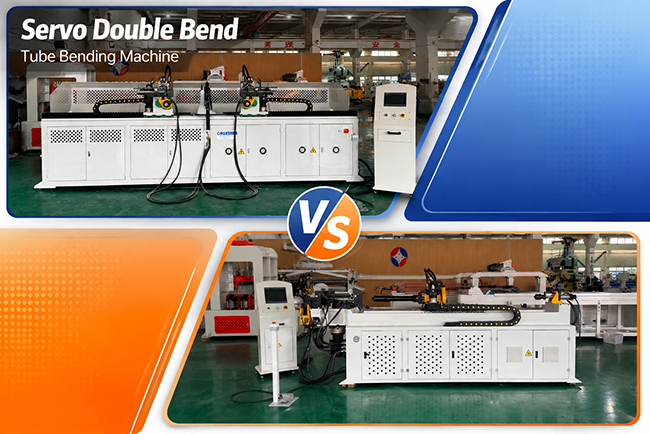
Application of Pipe Benders in the New Energy Industry
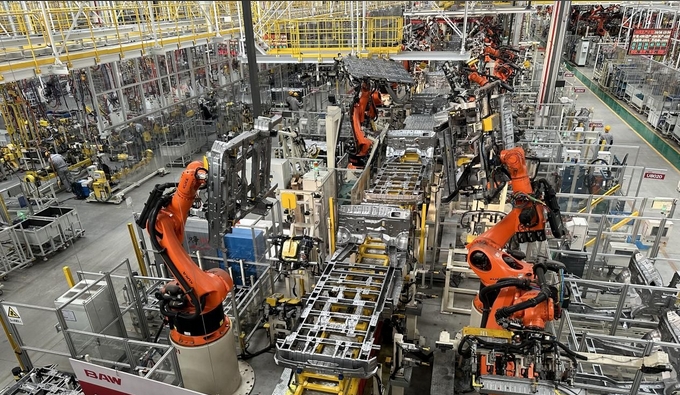
1. New Energy Vehicle Sector
Battery Cooling System
Tube bender is used to process the liquid cooling pipeline of the battery pack (usually aluminum alloy or stainless steel tube) to ensure efficient circulation of the coolant among the battery modules. Requirements such as small bending radius (e.g. 1.5 times pipe diameter) and no wrinkle deformation need to be met to ensure sealing. Hydrogen Piping for Hydrogen Fuel Vehicles
High-pressure hydrogen piping (materials such as 316L stainless steel) requires ultra-high-precision bending (tolerance ±0.1mm) and anti-leakage treatment, and the bender needs to be equipped with a laser range finder for real-time correction. Technical highlights:
● The use of servo motors + CNC-controlled pipe bender to achieve multi-axis linkage, to adapt to the space three-dimensional bending (such as S-shaped, spiral).
● Nitrogen-filled protection of the inner wall to avoid oxidation and improve welding compatibility.
2. Wind Power and Energy Storage System
Wind Power Hydraulic Piping
Bending of high strength carbon steel tubes (e.g. Φ50mm and above) for wind turbine hydraulic stations needs to overcome the problem of springback caused by large tube diameter by angle compensation algorithms (e.g. prebending by 5° to offset springback). Energy Storage Container Piping
Thermal management copper tubing for energy storage systems requires chip-free bending to avoid metal particles affecting coolant purity. Special processes:
● Large tonnage bending machines (50 tons or more) with mandrel anti-wrinkle dies to handle thick-walled tubes (wall thickness ≥ 6 mm).
● Offline programming software (such as BLM GROUP's 3D simulation) to verify the feasibility of bending in advance.
3. Photovoltaic and Hydrogen Equipment
Structural Tubes for Photovoltaic Structures
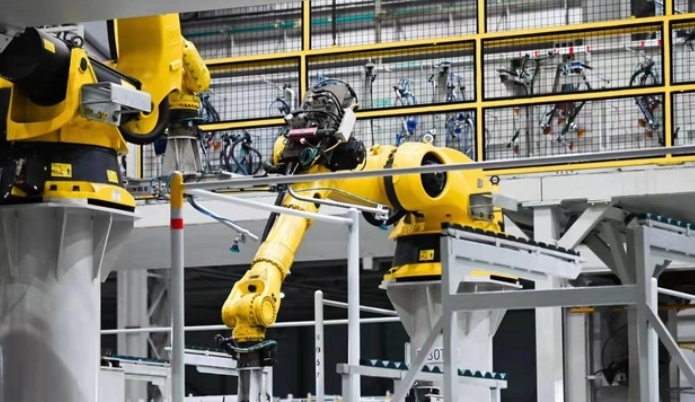
Batch bending of square tubes for solar tracking brackets (50 x 50mm) with fully automatic loading and unloading robotic arm, beat time ≤ 15 seconds per piece.
Electrolyzer Hydrogen Piping
Because of the extreme permeability of hydrogen, titanium tube bending needs to be processed in an inert gas environment to prevent lattice embrittlement.
Technology Trends
Intelligent: integrated force sensing sensors adjust feed speed in real time to prevent collapse of thin-walled tubes (e.g. 0.8mm wall thickness).
Composite processing: Bending + laser cutting + end forming all-in-one machine to reduce secondary clamping errors (e.g. TRUMPF TruBend Cell 7000).
Green Manufacturing: Dry bending technology replaces lubricating grease to meet the cleanliness requirements of the PV industry.
Application Areas Of Wire Bending Machine
Metal Tube Fabrication Industry
Related Article