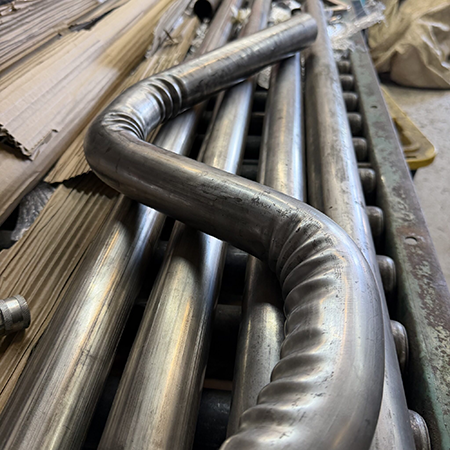
How Tube Processing Technology Supports Modern Manufacturing
author: Huashun Machinery
2026-08-25

The Machines Behind Everyday Metal Products
Metal tubes are part of many products we see and use every day.
A chair frame, a fitness machine, an automotive component, a handrail, or an industrial structure may all begin with a simple straight tube.
However, before that tube becomes a finished product, it usually goes through several manufacturing processes.
A chair frame, a fitness machine, an automotive component, a handrail, or an industrial structure may all begin with a simple straight tube.
However, before that tube becomes a finished product, it usually goes through several manufacturing processes.
- Cutting.
- Bending.
- Rolling.
- End forming.
And in many cases, additional processing and assembly.
Behind these finished products are the machines that shape, cut, and transform raw tubes into functional components.
Behind these finished products are the machines that shape, cut, and transform raw tubes into functional components.
A Straight Tube Is Only the Beginning
Raw metal tubes are available in many different forms.
They may be:
- Round tubes
- Square tubes
- Rectangular tubes
- Stainless steel tubes
- Carbon steel tubes
- Aluminum tubes
- Copper tubes
Before becoming part of a finished product, these materials often need to be processed according to specific dimensions and design requirements.
The final shape depends on how the tube will be used.
A straight tube may become part of a chair.
It may become a curved frame for fitness equipment.
It may become an automotive component.
Or it may become part of a larger industrial structure.
The manufacturing process begins by preparing the tube for the next stage.
Cutting: Creating the Right Starting Point
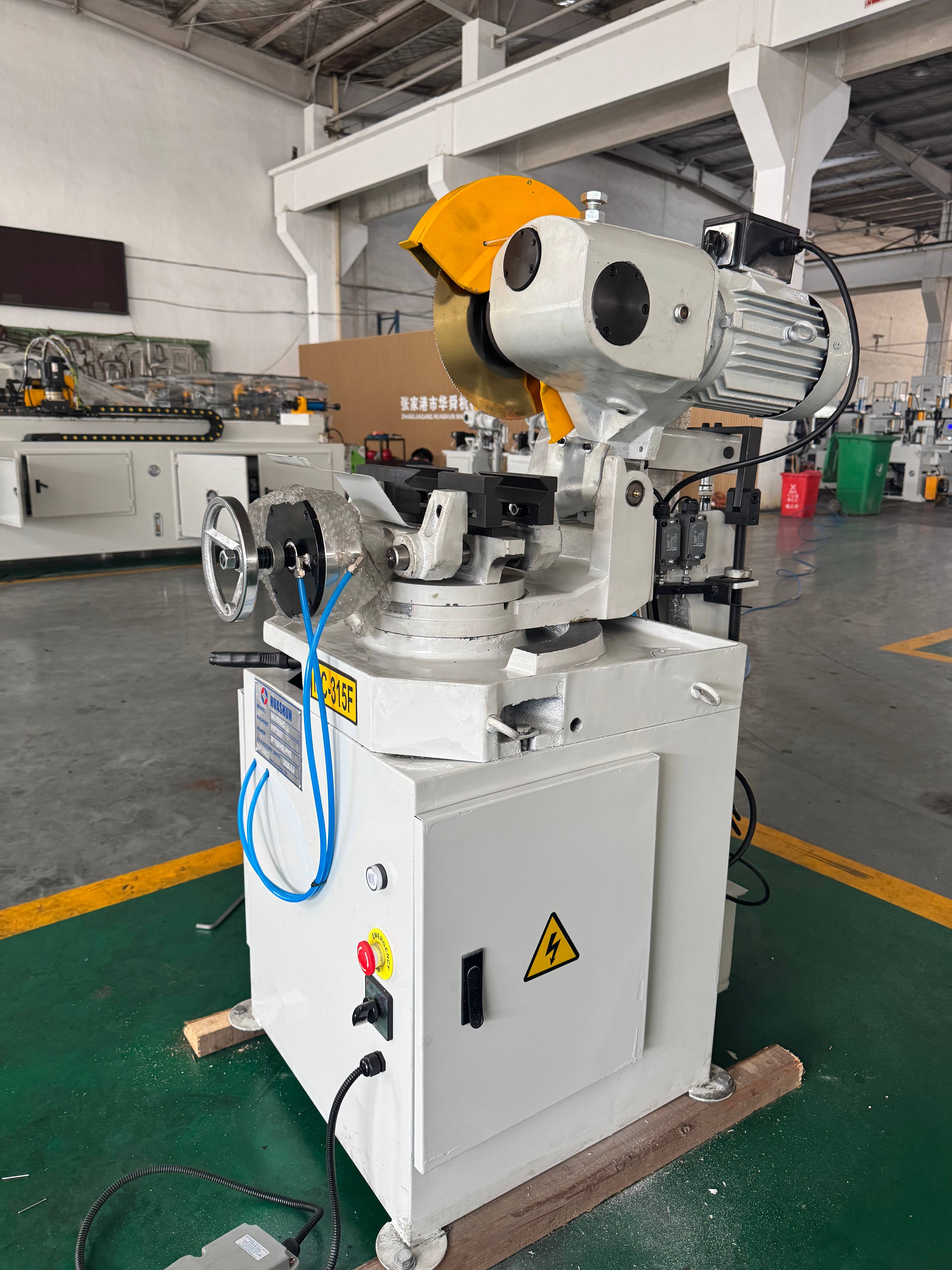
Tube cutting is often one of the first steps in production.
Long tubes need to be cut into specific lengths before further processing can begin.
Depending on the production requirements, manufacturers may use:
- Circular saw cutting
- CNC tube cutting
- Laser tube cutting
The required cutting method depends on the material, tube size, production volume, and processing requirements.
For simple length cutting, a tube cutting machine can provide efficient and repeatable processing.
For more complex components, laser cutting can also create holes, slots, and other shapes directly on the tube.
Accurate cutting helps provide a consistent starting point for the following production stages.
Bending: Giving the Tube Its Shape
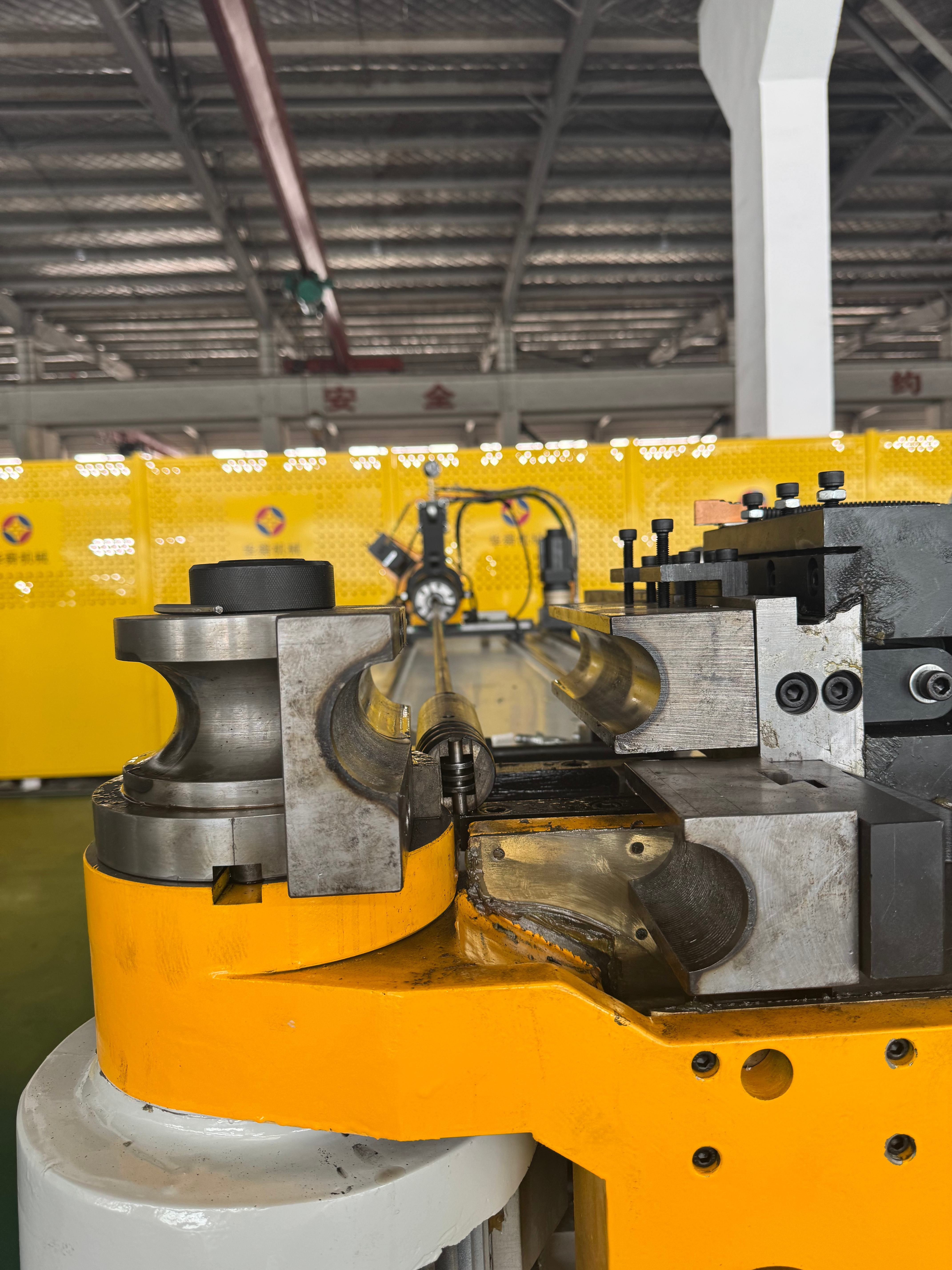
Tube bending transforms a straight tube into a new structure.
This process is widely used in products that require curved frames or complex shapes.
Examples include:
- Furniture frames
- Automotive components
- Fitness equipment
- Handrails
- HVAC components
- Industrial structures
Different products require different bending shapes.
Some components may only require one simple bend.
Others may require multiple bends with different angles and rotations.
Modern CNC tube bending machines can control feeding, rotation, and bending movements to produce complex tube shapes with consistent results.
For manufacturers producing large quantities of similar components, repeatability is an important part of maintaining stable production.
Rolling: Creating Curves, Arcs, and Rings
Not every curved tube is produced by traditional bending.
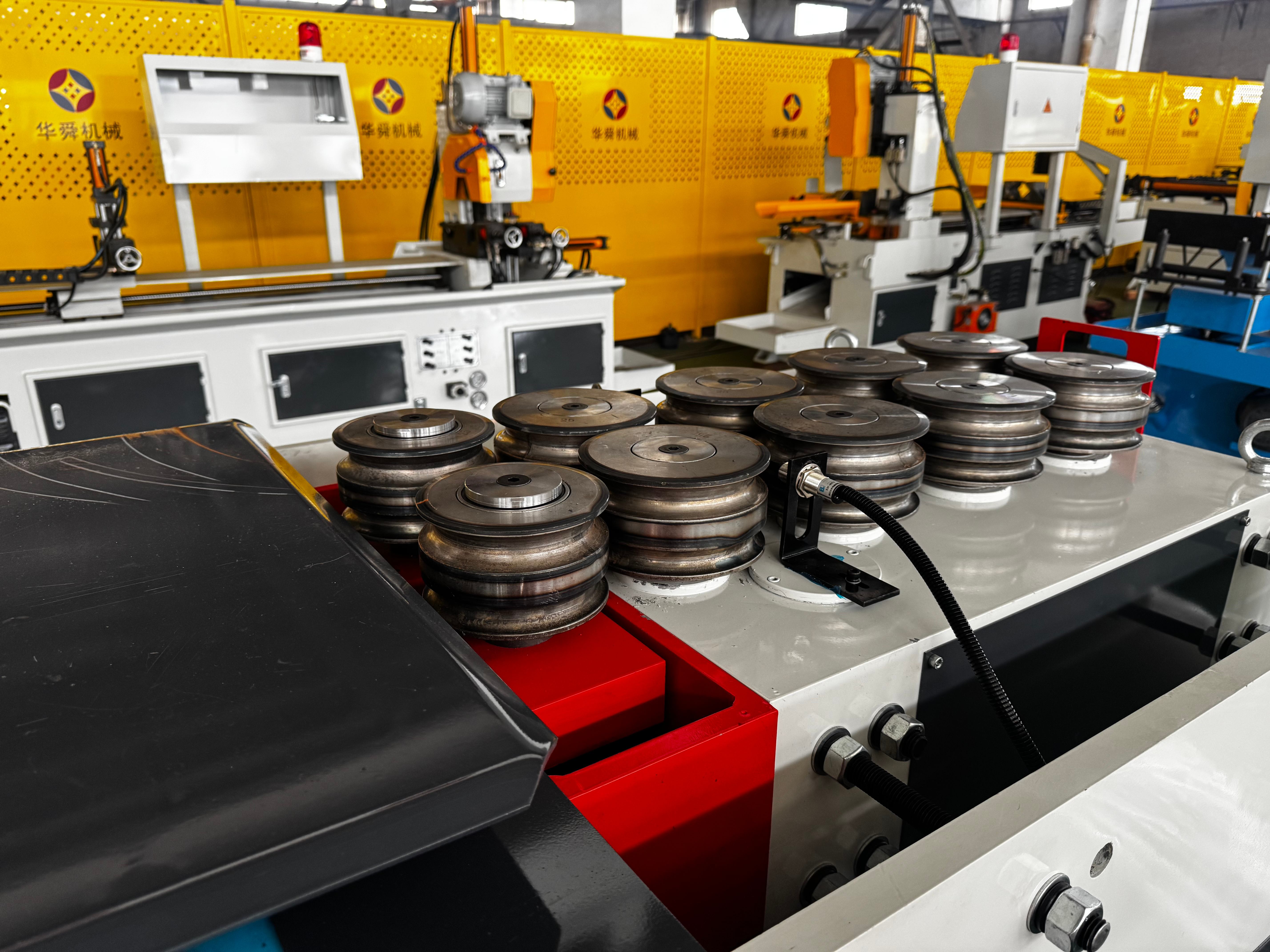
Tube rolling is commonly used to create:
- Large-radius curves
- Circular shapes
- Rings
- Arcs
- Curved frames
This type of processing is used in many industries where smooth and continuous curves are required.
For example, rolled tubes may be used in:
- Furniture
- Sports equipment
- Architectural structures
- Industrial products
- Decorative metal products
Different rolling requirements may require different machine configurations and tooling.
The final result depends on the tube material, diameter, wall thickness, and required radius.
End Forming: Preparing the Tube for Its Final Function
In many applications, the tube end also needs to be processed.
A straight-cut tube end may not always be suitable for the final product.
Depending on the application, the tube may require:
- Reducing
- Expanding
- Forming
- Swaging
- Shaping
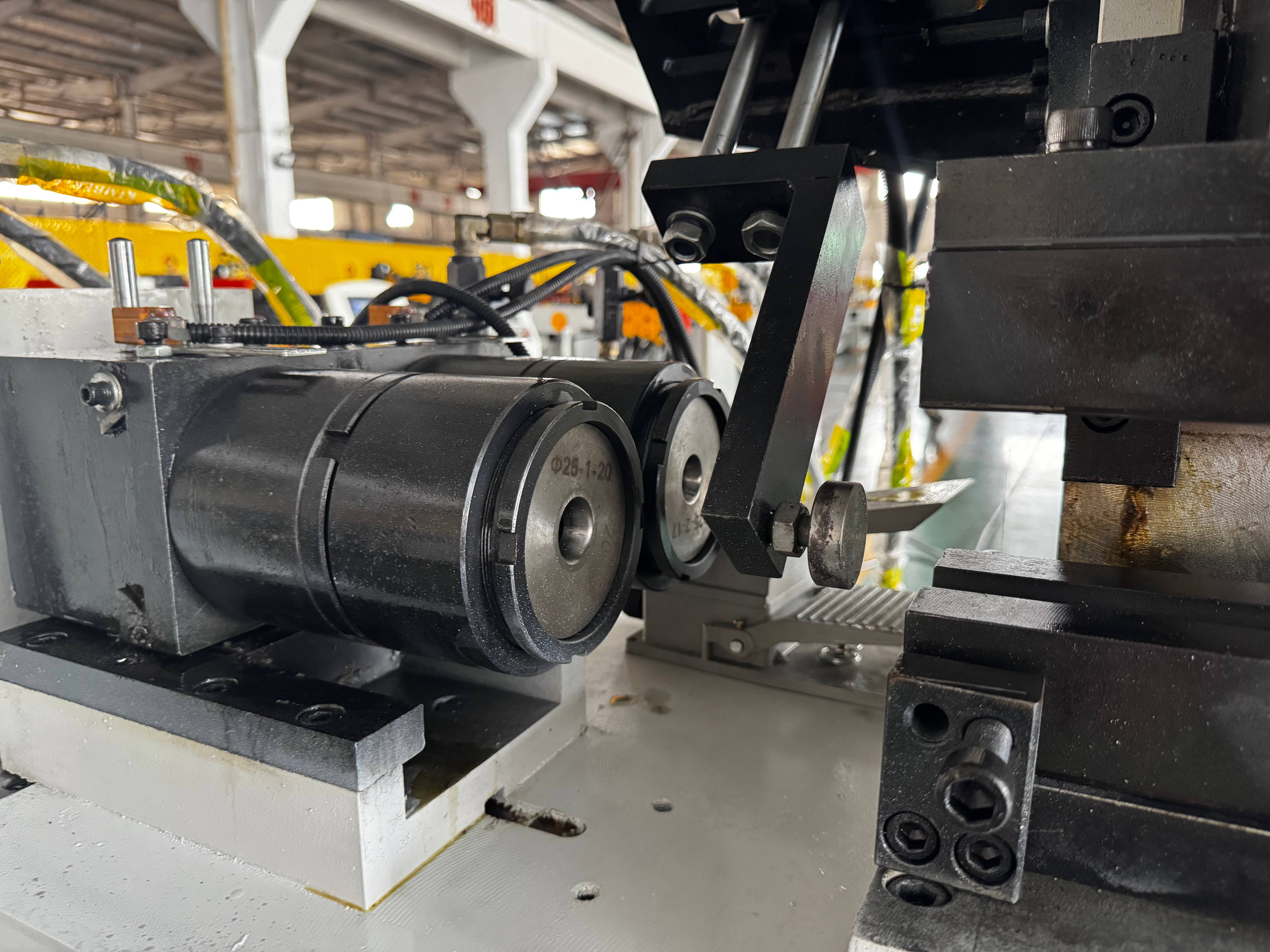
Tube end processing can help prepare the component for connection, assembly, or further manufacturing.
This is particularly important when tubes need to fit with other components or meet specific product design requirements.
A small change to the tube end can give the component an entirely different function.
Different Products, Different Processing Requirements
The same basic tube can be processed in completely different ways.
For example:
Furniture
A tube may be cut, bent, welded, and assembled into a chair or table frame.
Fitness Equipment
A tube may require multiple bends and different connecting points to create a strong equipment structure.
Automotive Components
A tube may need precise cutting and bending to meet specific dimensional requirements.
HVAC Systems
Copper or aluminum tubes may require cutting, bending, and forming before being assembled into a complete system.
Industrial Equipment
Metal tubes may be processed into frames, supports, structures, or specialized components.
The final product may be completely different, but the manufacturing process often begins with the same basic material: a tube.
How Huashun Supports Tube Processing
Huashun Machinery provides a range of equipment for different tube processing requirements.
These include solutions for:
- Tube cutting
- Tube bending
- Tube rolling
- Tube end processing
- Customized tube processing
Different products require different processing methods.
By combining suitable equipment, tooling, and production processes, manufacturers can build workflows that match their actual production requirements.
From a straight tube to a finished component, every processing stage plays a role in the final result.
Conclusion
Many everyday metal products begin with a simple tube.
What makes the final product different is the way that tube is processed.
Cutting determines its length.
Bending creates its shape.
Rolling forms curves.
End processing prepares it for its final function.
Together, these processes help transform raw metal tubes into products used across many industries.
Behind every finished metal component is a manufacturing process — and behind that process are the machines that make transformation possible.
What Is the Difference Between a Double-Bend (Left-and-Right) Tube Bender and a Standard Tube Bending Machine?
Related Article
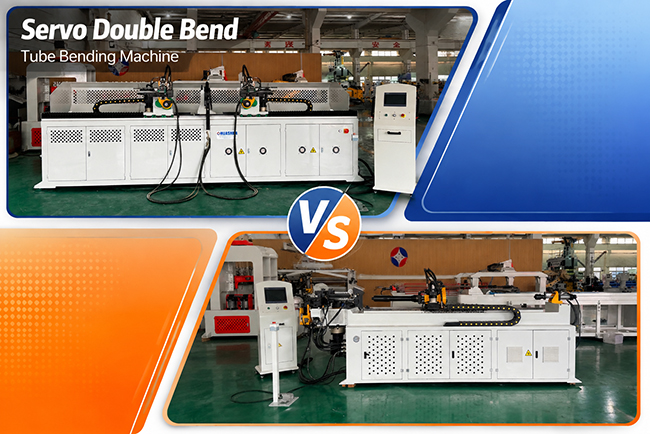
What Is the Difference Between a Double-Bend (Left-and-Right) Tube Bender and a Standard Tube Bending Machine?

Compare laser tube cutting and saw cutting methods to understand their differences in precision, speed, cost, and applications. Learn how to choose the right tube cutting solution.
Tube Cutting Methods: Laser Cutting vs Saw Cutting