
Sustainable Manufacturing: Value Practice of Energy-saving Tube Reaming Machine in Green Factory
author: Huashun Machinery
2026-01-28

As the green factory certification enters the final countdown, the tube retractor in the workshop has become a 'power hog,' with monthly electricity bills soaring. With the carbon peaking and carbon neutrality policies intensifying, traditional high-energy-consuming equipment faces obsolescence, making factory transformation an urgent priority. In mechanical processing, the tube retractor, as a core device, directly impacts operational costs and compliance through its energy consumption. The emergence of energy-efficient tube retractors is now addressing these challenges, emerging as a game-changing solution for green factories to cut costs and boost efficiency.
一、The Evolution and Core Characteristics of Energy-saving Tube Reelers
In a traditional tube-reduction workshop, the constant hum of motors and the heat waves emitted by equipment create a typical production scene. These machines often operate continuously, maintaining significant energy consumption even during standby periods. The application of modern energy-efficient tube-reduction machines is fundamentally transforming this energy utilization model.
Compared with traditional equipment, the new generation of energy-saving tube retractor features four key technical characteristics:
Energy efficiency optimization: Servo drive and intelligent control technology are adopted to achieve on-demand power supply, reducing standby power consumption by over 70%.
Performance improvement: Both response speed and machining accuracy are enhanced simultaneously, with a significant increase in output per unit time
Environment-friendly: The operating noise is controlled below 75 decibels, effectively improving the workshop working environment.
Reliable and durable: Optimized structural design reduces mechanical wear, extending the service life of key components by 30%.
This technology is particularly suitable for industries with high demand for pipe end processing and high energy sensitivity, such as automotive manufacturing, construction machinery, HVAC, and fluid connections. For production enterprises with an annual processing capacity exceeding 500,000 units, equipment technology upgrades are not only a requirement for environmental protection but also a strategic choice to enhance core competitiveness.
一、The Evolution and Core Characteristics of Energy-saving Tube Reelers
In a traditional tube-reduction workshop, the constant hum of motors and the heat waves emitted by equipment create a typical production scene. These machines often operate continuously, maintaining significant energy consumption even during standby periods. The application of modern energy-efficient tube-reduction machines is fundamentally transforming this energy utilization model.
Compared with traditional equipment, the new generation of energy-saving tube retractor features four key technical characteristics:
Energy efficiency optimization: Servo drive and intelligent control technology are adopted to achieve on-demand power supply, reducing standby power consumption by over 70%.
Performance improvement: Both response speed and machining accuracy are enhanced simultaneously, with a significant increase in output per unit time
Environment-friendly: The operating noise is controlled below 75 decibels, effectively improving the workshop working environment.
Reliable and durable: Optimized structural design reduces mechanical wear, extending the service life of key components by 30%.
This technology is particularly suitable for industries with high demand for pipe end processing and high energy sensitivity, such as automotive manufacturing, construction machinery, HVAC, and fluid connections. For production enterprises with an annual processing capacity exceeding 500,000 units, equipment technology upgrades are not only a requirement for environmental protection but also a strategic choice to enhance core competitiveness.
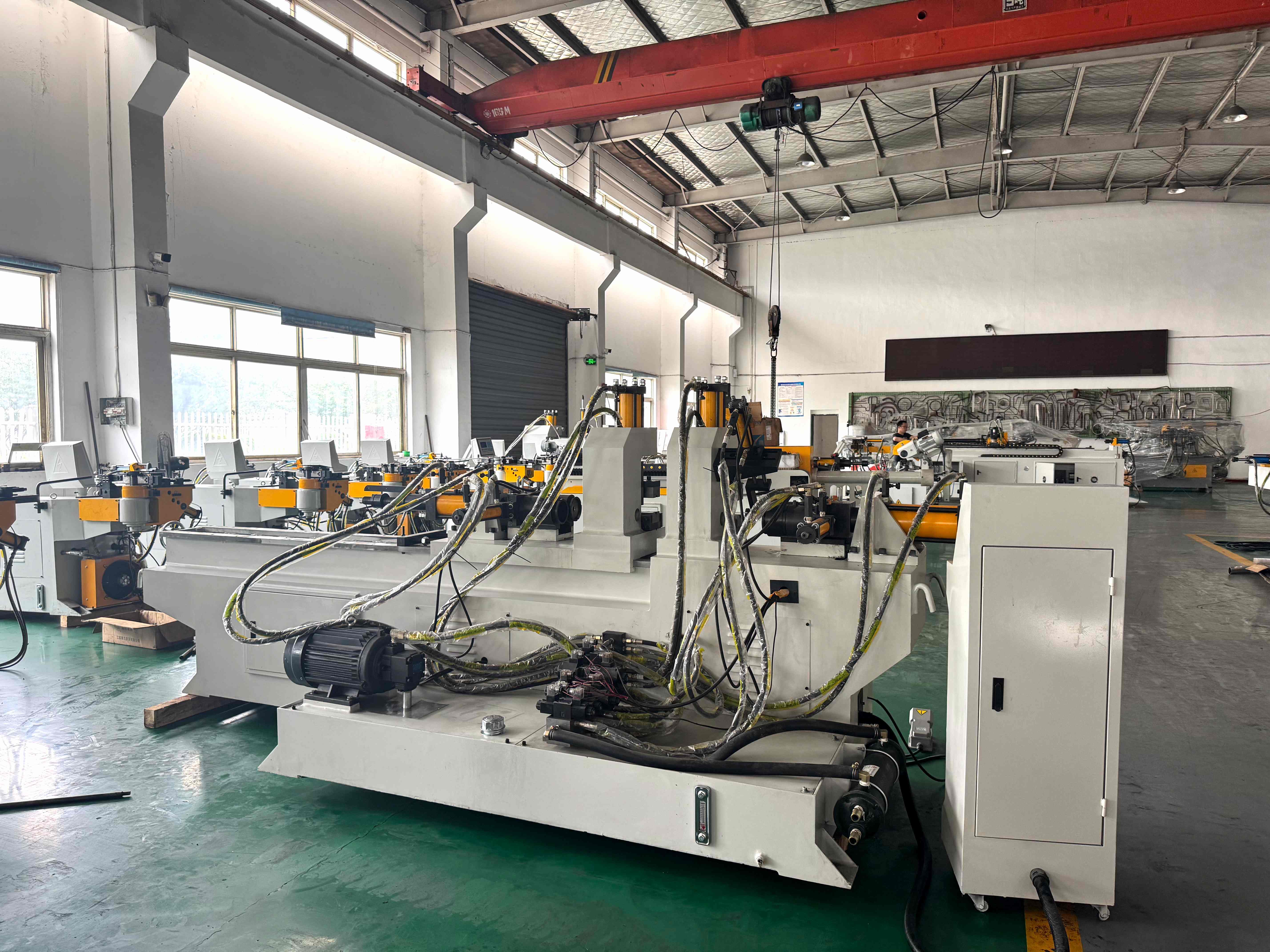
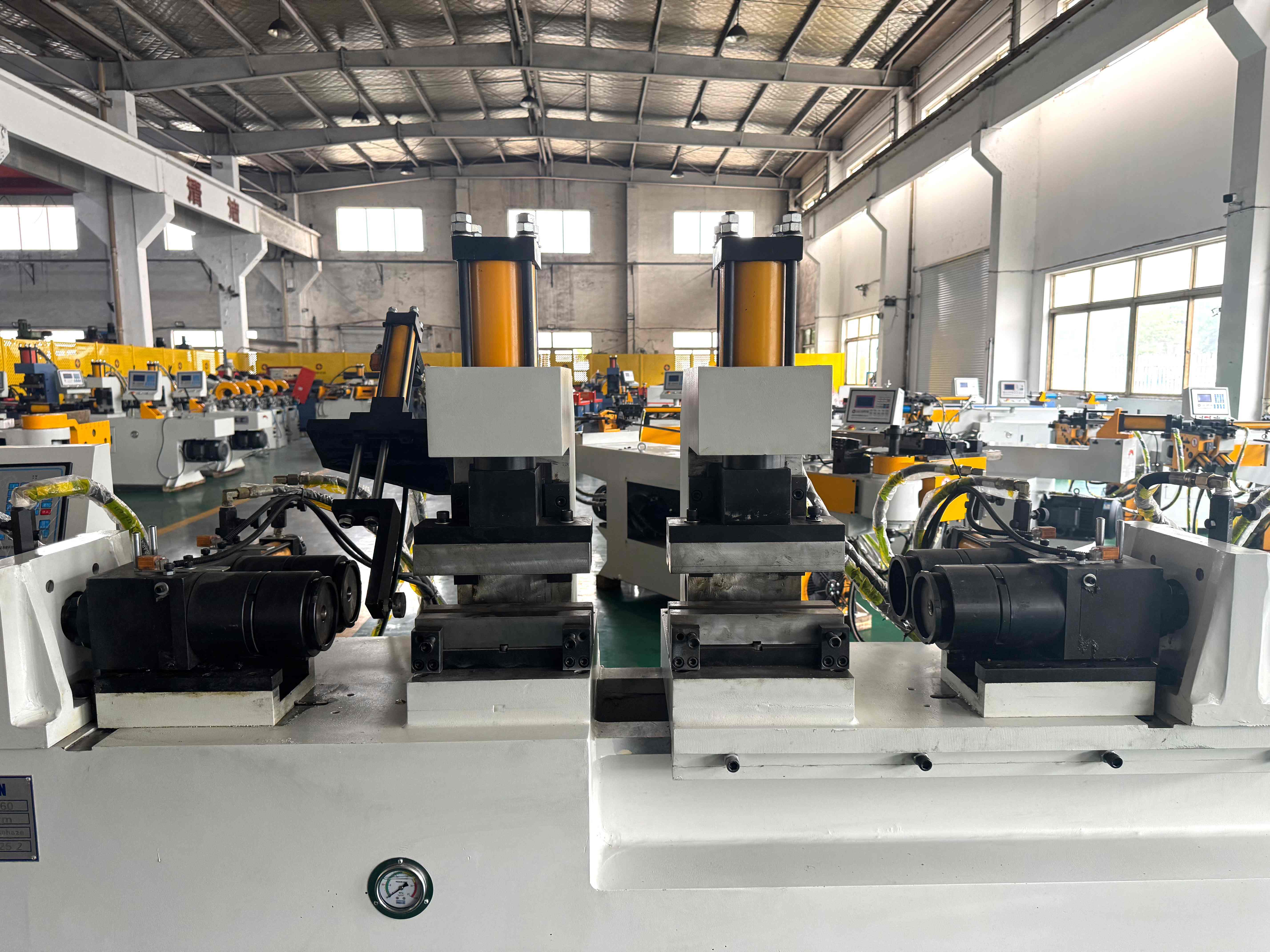
A Zhejiang-based automotive brake pipe manufacturer had been using eight conventional hydraulic compression machines until 2022. With the rapid growth of new energy vehicle orders, the existing equipment not only consumed excessive energy but also gradually failed to meet the new technical requirements for processing precision. Driven by the goal of establishing a green factory, the company completed the full equipment upgrade in two phases.
The technological upgrade has yielded remarkable results: monthly electricity costs dropped from 42,000 yuan to 18,000 yuan, a 57% reduction; comprehensive operation and maintenance costs decreased by 40%, saving approximately 150,000 yuan annually; product pass rates increased by 6 percentage points, while customer complaint rates fell by 80%; in 2023, the facility successfully obtained provincial green factory certification, earning a policy incentive of 800,000 yuan.
The company's production manager conducted a comprehensive analysis: With a total equipment investment of 1.2 million yuan, the actual payback period was only 14 months, thanks to multiple benefits including electricity cost savings, reduced maintenance expenses, fewer defective products, and government subsidies. More importantly, after obtaining green factory certification, the company successfully entered the preferred supplier system of a new energy vehicle brand, resulting in a 30% increase in annual orders.
三、Technology Selection: Key Points of Decision-making for Procurement of Energy-saving Equipment
When faced with a wide array of energy-saving equipment labels on the market, how can one make a scientifically informed choice? First, verify whether the device comes with an energy efficiency test report issued by an authoritative institution, with particular attention to two key metrics: "no-load power" and "energy consumption per unit workpiece." Some devices, despite having a nominal low power rating, actually exhibit suboptimal processing efficiency, which paradoxically leads to increased overall energy consumption.
Equipment compatibility is more critical than technical parameters. Different materials (copper tubes, steel tubes, aluminum tubes), wall thicknesses, and pipe diameters require varying processing forces. Blindly pursuing high-tonnage capacity leads to energy waste. Professional equipment suppliers provide trial processing services to validate equipment suitability through actual production data.
A reliable technical service network is essential for long-term stability. Energy-efficient equipment, being highly integrated, requires specialized maintenance. Brands with service centers in key industrial zones ensure 2-4 hour response times. One company suffered equipment failure after choosing a niche brand, spending two weeks waiting for spare parts—resulting in production losses far exceeding the equipment's price difference.
Cost evaluation should adopt a full life cycle perspective. In addition to equipment procurement costs, comprehensive consideration must be given to installation and commissioning, personnel training, and subsequent maintenance expenses. Truly energy-efficient equipment should demonstrate cost advantages throughout its entire service life. Generally, an investment payback period of 12-24 months is considered reasonable, while periods exceeding 36 months require prudent evaluation.
MCJG120 3D Laser Tube Cutting Machine – Powerful, Precise, and Built for Your Workshop
Gear Processing for New Energy Vehicles: What Special Requirements Are There for Gear Grinding Machines?
Related Article

Discover how tube cutting, bending, rolling, and end forming machines help transform metal tubes into components used in furniture, vehicles, fitness equipment, HVAC systems, and industrial products.
How Tube Processing Technology Supports Modern Manufacturing
What Is the Difference Between a Double-Bend (Left-and-Right) Tube Bender and a Standard Tube Bending Machine?

