
How to Reduce Scrap Rates in 3D Laser Cutting: 5 Practical Tips to Improve Cutting Quality and Efficiency
author: Huashun Machinery
2026-07-01

As industries such as automotive manufacturing, construction machinery, and sheet metal fabrication continue to demand increasingly complex components, 3D laser cutting has become an essential manufacturing process thanks to its high precision, flexibility, and mold-free production. However, during actual production, improper parameter settings, unstable equipment performance, or inefficient cutting strategies can lead to burrs, burnt edges, dimensional inaccuracies, and workpiece deformation. These issues not only reduce product quality but also increase material waste and production costs.
Reducing the scrap rate does not necessarily require investing in new equipment. In most cases, optimizing the entire production process—from cutting parameters to equipment maintenance and quality control—can significantly improve yield and production efficiency.
Reducing the scrap rate does not necessarily require investing in new equipment. In most cases, optimizing the entire production process—from cutting parameters to equipment maintenance and quality control—can significantly improve yield and production efficiency.
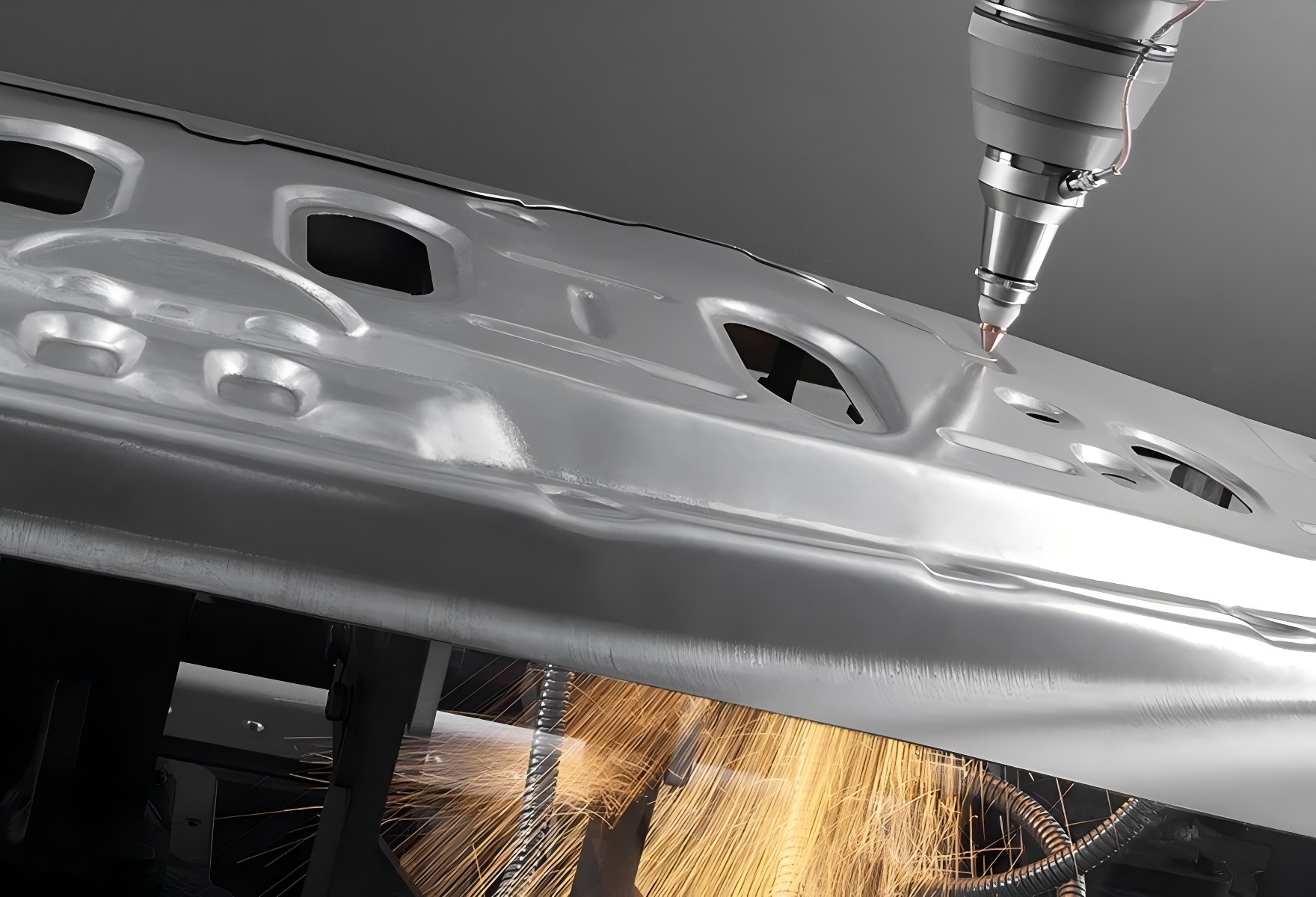
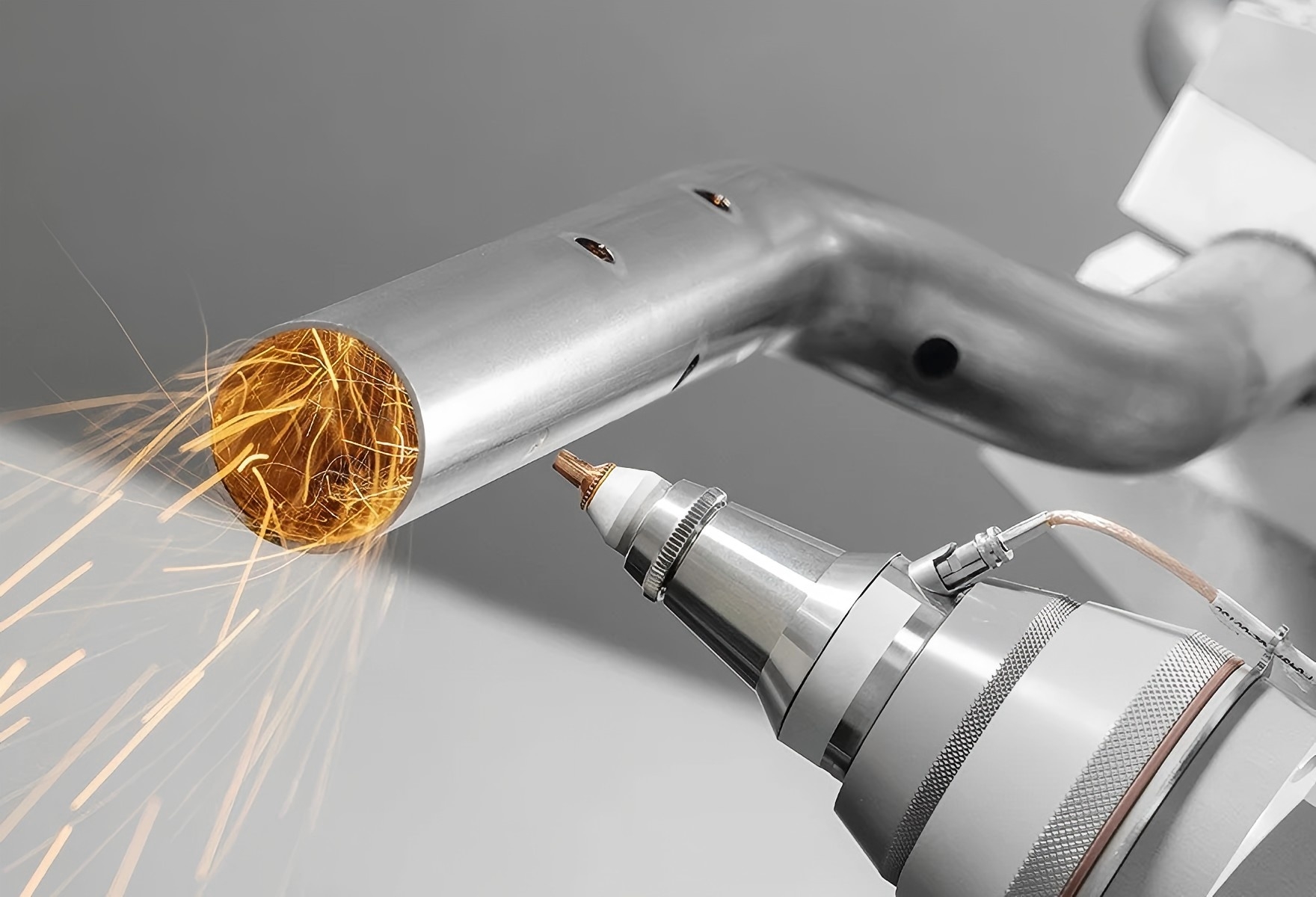
The first step is selecting the right cutting parameters for each application. Different materials and thicknesses require different combinations of laser power, cutting speed, focal position, and assist gas. Applying the same settings to every workpiece often results in unstable cutting quality. For example, nitrogen is typically preferred for thin sheets because it minimizes oxidation and heat-affected zones, while oxygen is more suitable for cutting thicker carbon steel, providing faster cutting speeds and smoother edges. In addition, adjusting cutting speed and laser output around corners and curved sections helps prevent overheating, excessive melting, and uneven cut surfaces.
Optimizing nesting layouts and cutting paths is another effective way to reduce material waste. In many factories, low material utilization is caused by inefficient part arrangement rather than machine limitations. Professional nesting software can automatically arrange irregular parts to maximize sheet utilization while minimizing gaps between components. Following a cutting sequence of "inside features first, outer contour last" also helps maintain dimensional accuracy by preventing workpiece movement during processing. Furthermore, techniques such as skip cutting or zone-by-zone cutting distribute heat more evenly, reducing thermal distortion and improving overall cutting consistency.
Keeping the laser cutting machine in excellent operating condition is equally important. Over time, contaminated lenses, worn nozzles, inaccurate focus positions, guide rail wear, or unstable gas pressure can all negatively affect cutting precision. Routine maintenance should include cleaning protective and focusing lenses, checking nozzle alignment, recalibrating the focal position, and inspecting the gas supply system. Regular maintenance of guide rails and transmission components also helps maintain machine accuracy and minimizes defects caused by mechanical wear.
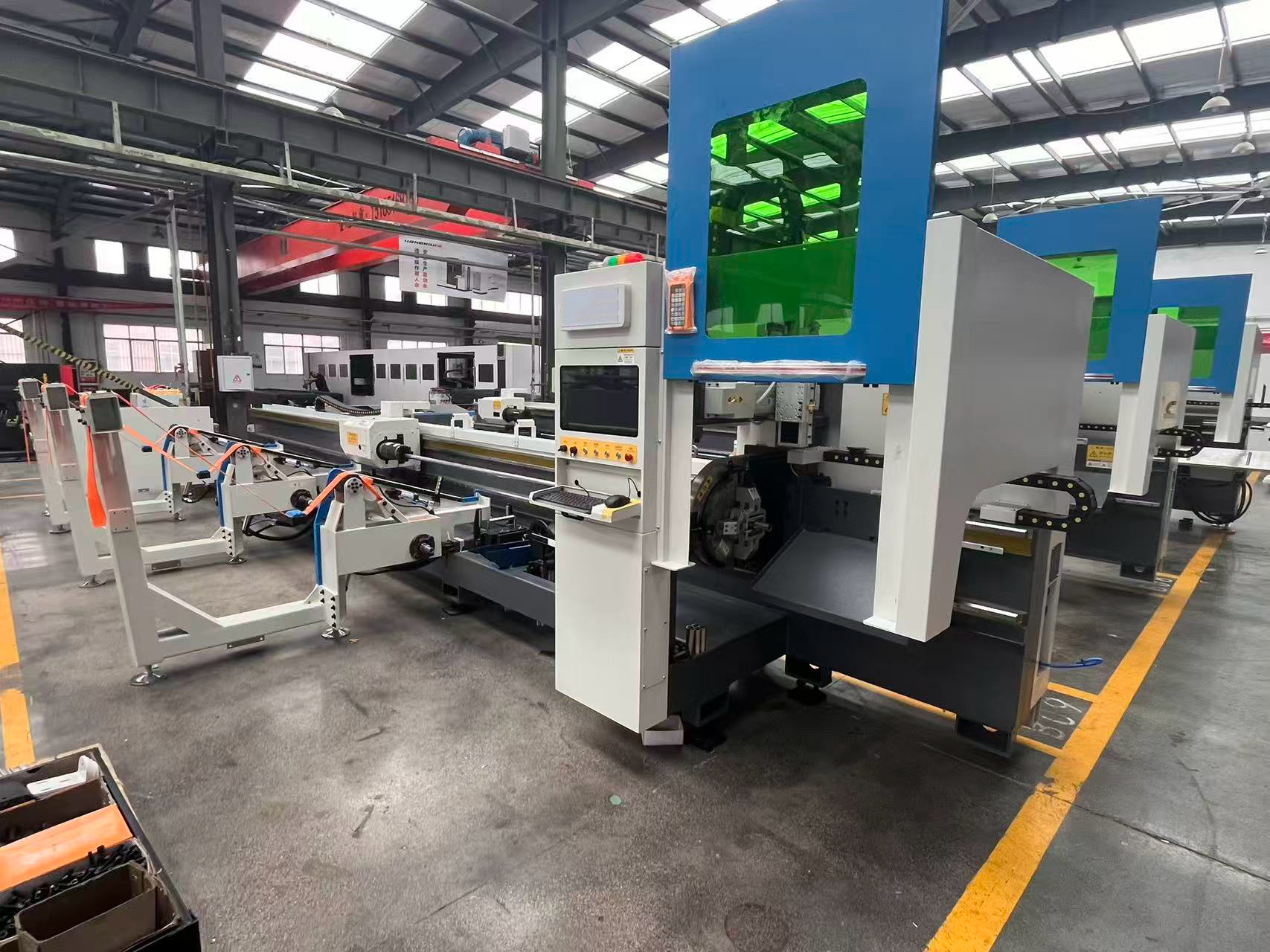
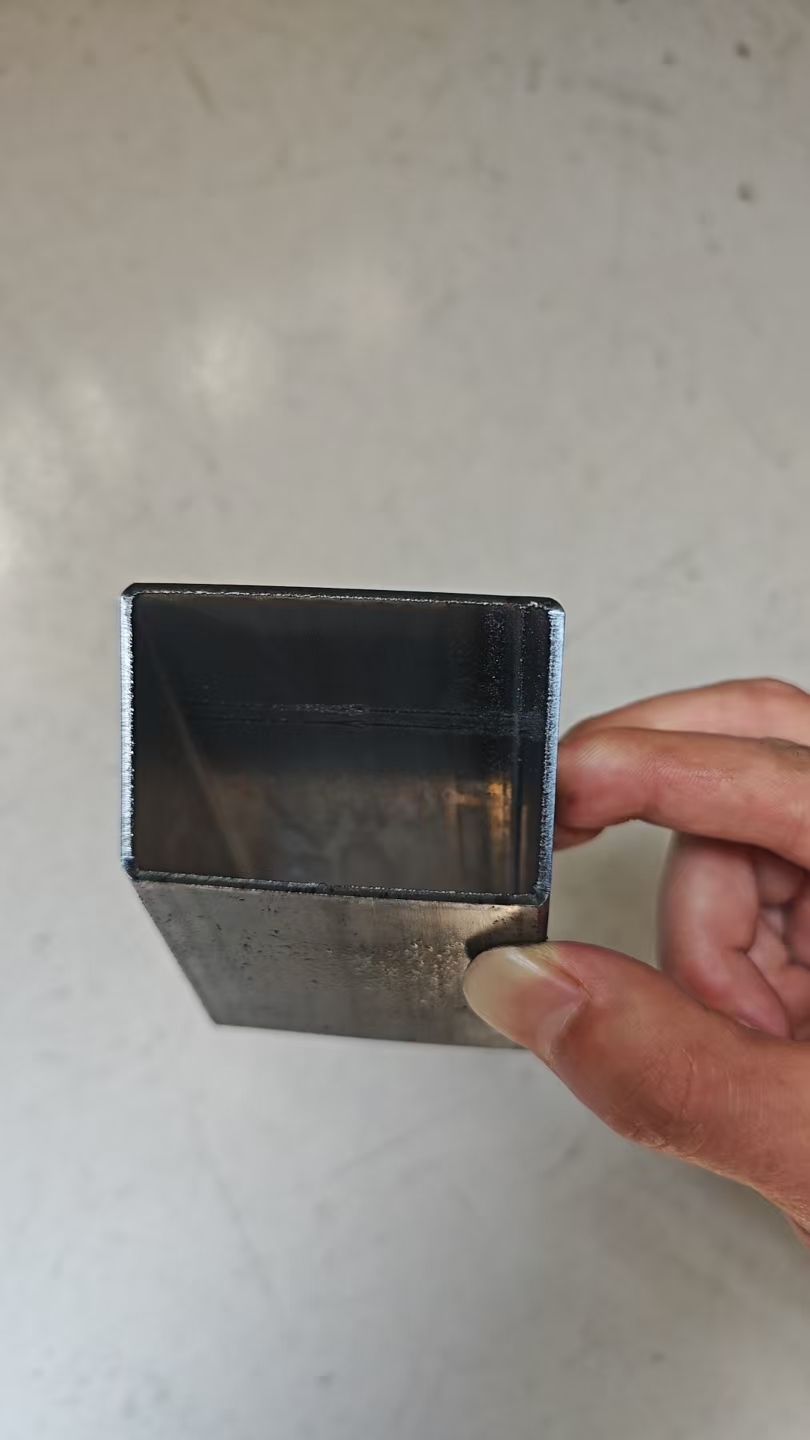
Material preparation before cutting should never be overlooked. Oil, rust, oxidation, or surface contaminants can interfere with laser energy absorption, resulting in poor cutting quality. Cleaning and inspecting raw materials before production ensures stable processing conditions. For materials with inconsistent quality, additional inspections should be carried out to prevent large batches of defective products caused by material imperfections.
Finally, implementing comprehensive quality control throughout production further reduces scrap. Before mass production begins, a first-piece inspection should verify dimensions, tolerances, edge quality, and surface finish. During production, operators should continuously monitor machine performance and cutting quality. Any abnormal conditions should be corrected immediately to prevent small issues from turning into costly batches of defective parts.
Reducing the scrap rate in 3D laser cutting is not achieved through a single improvement. Instead, it requires continuous optimization of cutting parameters, process planning, equipment maintenance, and quality management. By establishing standardized production procedures and maintaining stable processing conditions, manufacturers can improve product consistency, reduce material waste, lower production costs, and strengthen their competitiveness in today's manufacturing industry.
How to Choose the Right CNC Tube Bending Machine for Your Production
The Integration of Laser Tube Cutting and Tube Bending Technology Drives Greater Efficiency in Tube Processing
Related Article

Discover how tube cutting, bending, rolling, and end forming machines help transform metal tubes into components used in furniture, vehicles, fitness equipment, HVAC systems, and industrial products.
How Tube Processing Technology Supports Modern Manufacturing
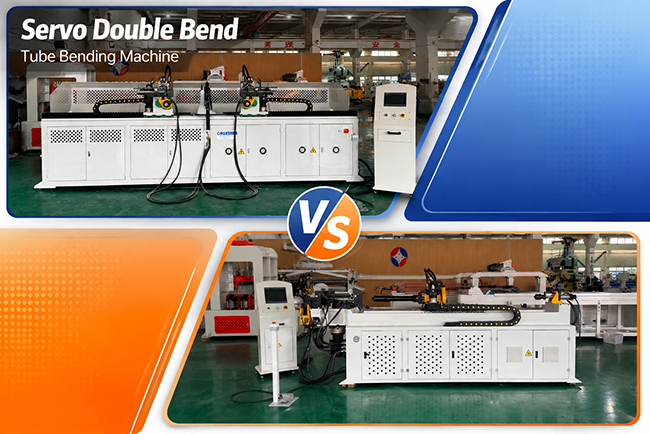
What Is the Difference Between a Double-Bend (Left-and-Right) Tube Bender and a Standard Tube Bending Machine?

