
Metal Cutting Technology Upgrades: A Smarter Path to Higher Precision and Productivity
author: Huashun Machinery
2026-07-09

As smart manufacturing continues to evolve, metal cutting technology is advancing rapidly. As one of the most important processes in modern manufacturing, metal cutting has a direct impact on part accuracy, surface finish, production efficiency, and overall manufacturing costs. With industries such as new energy vehicles, aerospace, medical equipment, and precision mold manufacturing demanding tighter tolerances and higher productivity, conventional machining methods are no longer sufficient. By adopting advanced cutting technologies and intelligent machining solutions, manufacturers can significantly improve productivity, product quality, and operational efficiency.
Tooling technology remains the foundation of high-performance metal cutting. The quality of cutting tools directly influences machining accuracy, production speed, and tool life. In recent years, advanced carbide tools, cermet inserts, and multi-layer coated cutting tools have become widely used due to their excellent wear resistance, heat resistance, and longer service life. These tools perform particularly well when machining difficult materials such as stainless steel and titanium alloys. In addition, selecting the appropriate tool geometry for different materials and machining conditions helps reduce cutting forces, minimize vibration, improve surface finish, and extend tool life.
Tooling technology remains the foundation of high-performance metal cutting. The quality of cutting tools directly influences machining accuracy, production speed, and tool life. In recent years, advanced carbide tools, cermet inserts, and multi-layer coated cutting tools have become widely used due to their excellent wear resistance, heat resistance, and longer service life. These tools perform particularly well when machining difficult materials such as stainless steel and titanium alloys. In addition, selecting the appropriate tool geometry for different materials and machining conditions helps reduce cutting forces, minimize vibration, improve surface finish, and extend tool life.
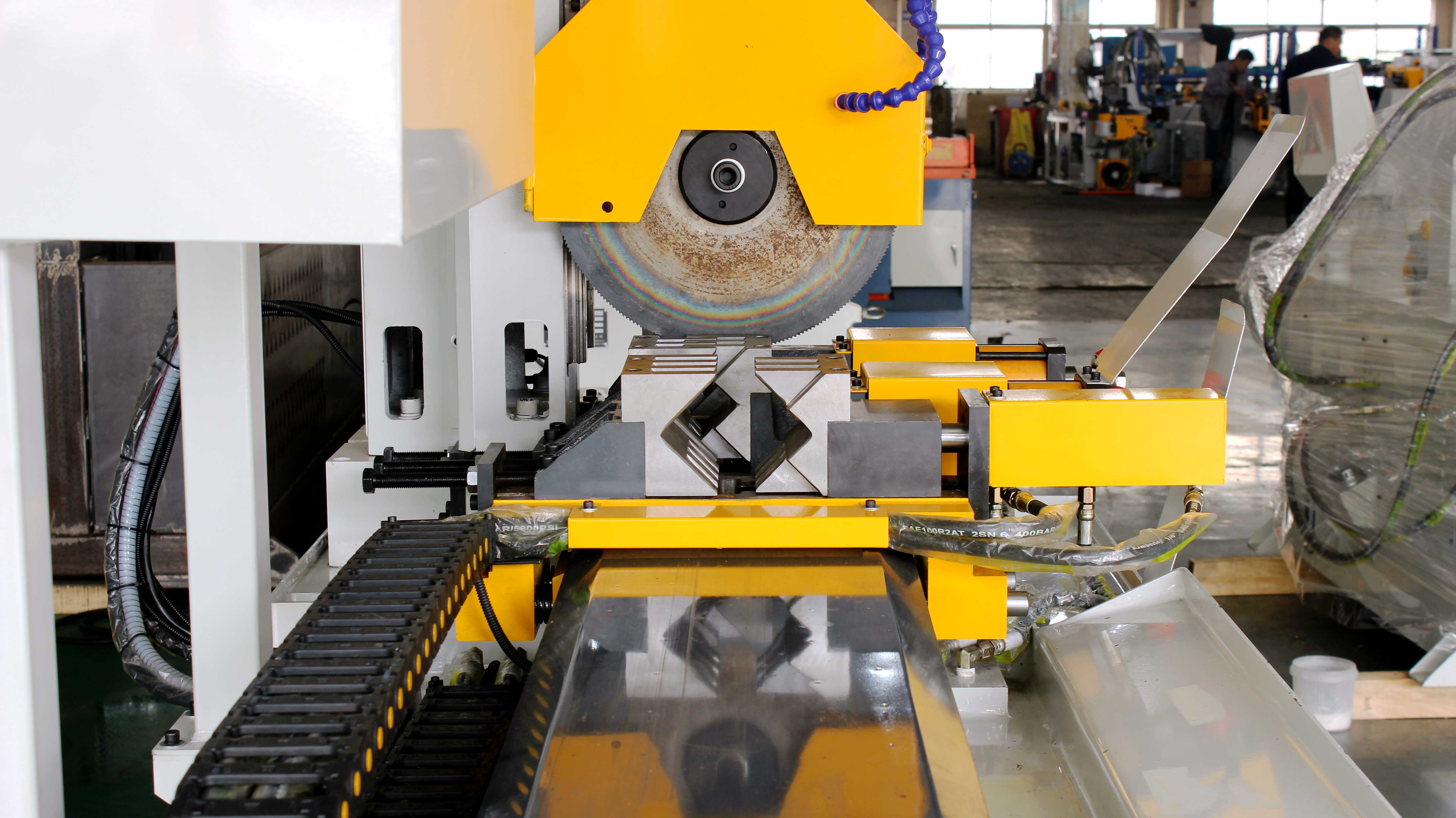
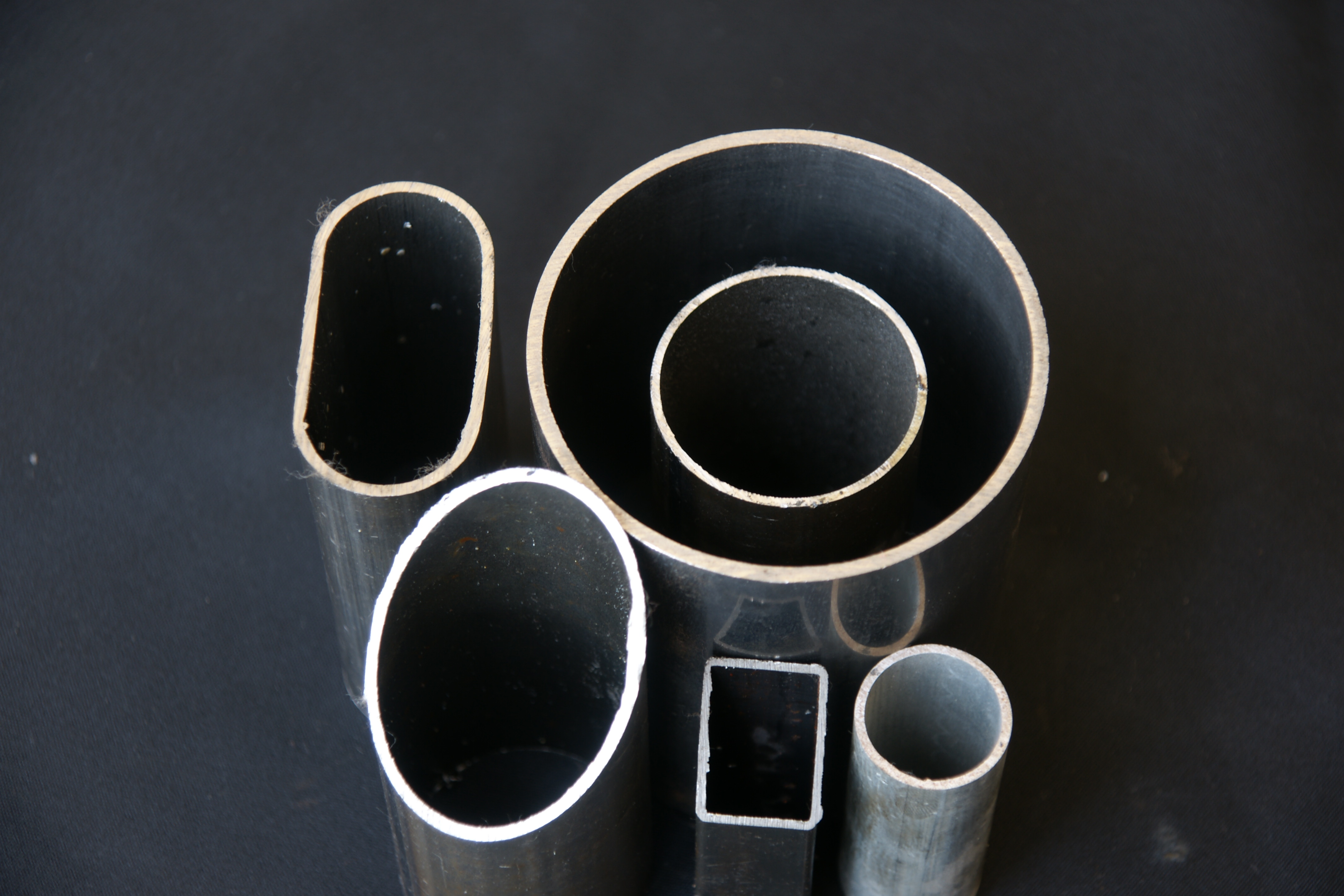
Intelligent machining has become a major trend in modern metal cutting. Thanks to advances in CNC systems, sensors, and Industrial Internet of Things (IIoT) technologies, machine tools can now monitor cutting temperature, vibration, spindle load, and other operating conditions in real time. The system can automatically optimize machining parameters to reduce human intervention and improve process stability. This not only lowers the risk of machine failure and defective parts but also ensures consistent product quality during long production runs. For manufacturers seeking higher efficiency and lower operating costs, smart monitoring and automatic compensation technologies offer significant advantages.
At the same time, multi-process machining technologies are reshaping production methods. Five-axis machining and mill-turn machining enable multiple operations to be completed in a single setup, reducing repositioning errors and improving machining accuracy for complex components. These advanced machining methods are especially suitable for curved surfaces, irregular parts, and high-precision components. They shorten production cycles, reduce labor requirements, and provide greater flexibility for high-mix, low-volume manufacturing environments.
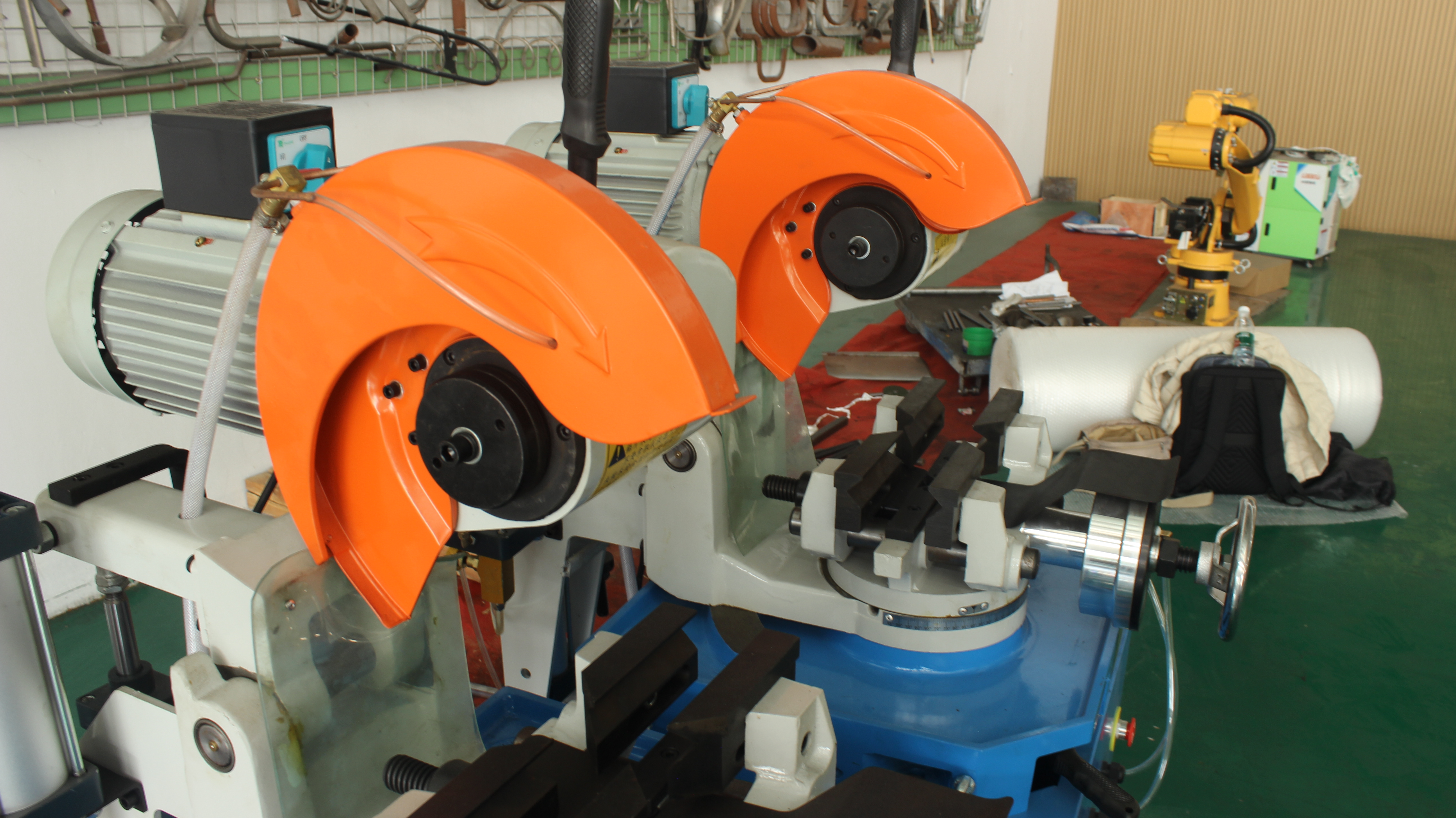
Ultra-precision machining is also playing an increasingly important role in high-end manufacturing. Industries such as electronics, optics, and semiconductors continue to demand tighter dimensional tolerances and superior surface quality. Advanced processes, including laser-assisted machining and ultrasonic vibration cutting, improve material machinability by reducing cutting forces and minimizing surface damage. Meanwhile, cutting tools manufactured or optimized through additive manufacturing technologies provide better structural performance and vibration control, allowing manufacturers to process complex components more efficiently.
Looking ahead, the future of metal cutting is defined not only by higher machining speeds but also by greater intelligence, precision, and sustainability. Innovations in cutting tools, CNC automation, multi-axis machining, and ultra-precision manufacturing are driving continuous improvements across the manufacturing industry. Companies that invest in advanced machining technologies, optimize their production processes, and adopt intelligent manufacturing solutions will be better positioned to improve product quality, reduce production costs, and remain competitive in an increasingly demanding global market.
How to Choose the Right Tube Cutting Machine: 5 Key Factors Every Buyer Should Know
NC or CNC Tube Bender: Which One Fits Your Production?
Related Article

Discover how tube cutting, bending, rolling, and end forming machines help transform metal tubes into components used in furniture, vehicles, fitness equipment, HVAC systems, and industrial products.
How Tube Processing Technology Supports Modern Manufacturing
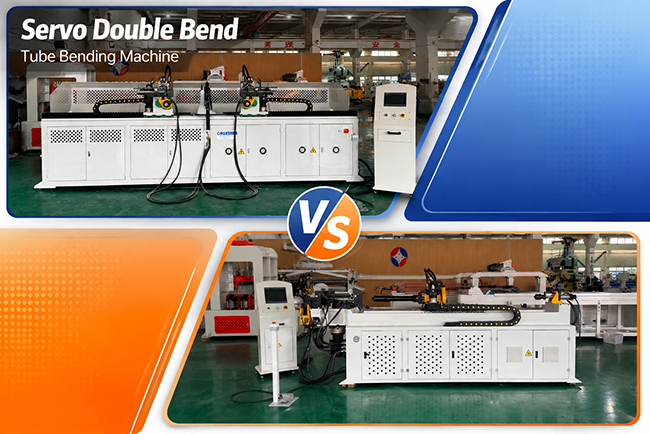
What Is the Difference Between a Double-Bend (Left-and-Right) Tube Bender and a Standard Tube Bending Machine?

