
Stainless Steel, Copper, and Carbon Steel Tube Bending Challenges: Professional Tube Bending Solutions for Different Materials
author: Huashun Machinery
2026-07-22
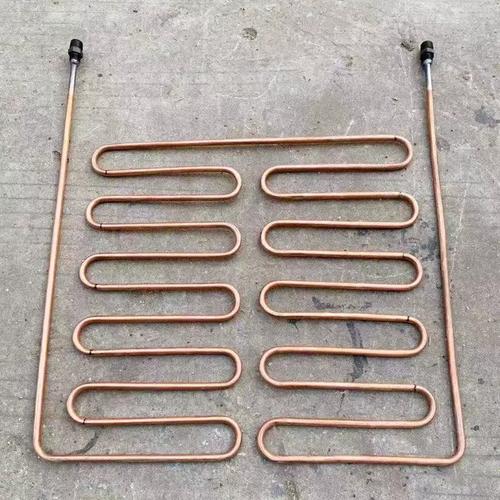
In the tube fabrication industry, different materials require different bending processes. Stainless steel, copper, and carbon steel are widely used in automotive components, furniture manufacturing, HVAC systems, hydraulic equipment, and industrial machinery. Due to significant differences in hardness, ductility, and elasticity, improper bending methods can easily result in springback, wrinkling, cracking, flattening, and deformation.
To achieve high-quality bends while minimizing material waste, it is essential to match the tube material with the appropriate tube bending machine, tooling, and processing parameters.
Stainless Steel Tube Bending: High Springback and Precision Requirements
Stainless steel is valued for its excellent strength and corrosion resistance, making it a preferred material for food processing equipment, medical devices, automotive exhaust systems, and architectural applications. However, its high tensile strength and work-hardening characteristics make bending more challenging.
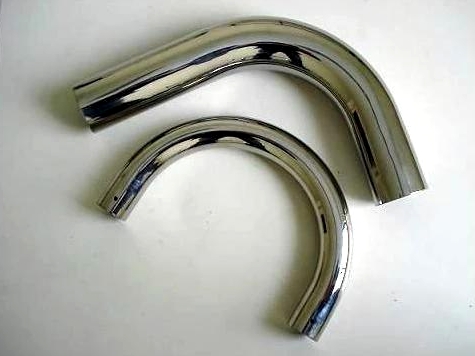
One of the biggest issues is springback. Without accurate compensation, the final bending angle often deviates from the desired specification, requiring additional adjustments. Thin-wall stainless steel tubes are also susceptible to flattening, ovality, and even micro-cracks during tight-radius bends. Poor-quality tooling may scratch the tube surface, reducing both appearance and corrosion resistance.
To overcome these challenges, manufacturers typically use high-precision CNC tube bending machines equipped with mandrels and wiper dies. Polished tooling, optimized bending speeds, and accurate springback compensation help maintain dimensional accuracy while protecting the tube surface
.
Copper Tube Bending: Preventing Flattening and Wrinkling
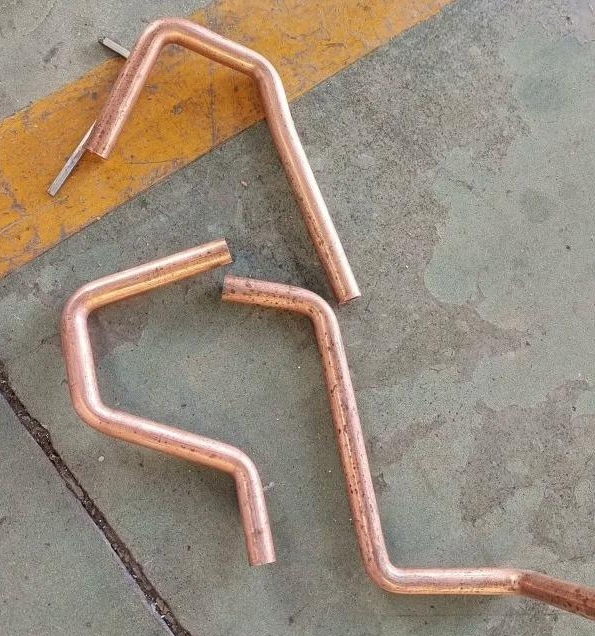
Copper tubing offers excellent thermal and electrical conductivity and is widely used in air conditioning, refrigeration, heat exchangers, and plumbing systems. Although copper is easier to bend than stainless steel, its softness makes it more vulnerable to deformation.
During bending, thin-wall copper tubes can easily become flattened, while the inner radius may develop wrinkles and the outer radius may stretch excessively. These defects can reduce sealing performance and negatively affect fluid flow.
Selecting the correct bending die for the tube diameter is essential. Slow, consistent bending speeds help distribute stress evenly throughout the material. For thin-wall tubes or tight-radius bends, using mandrels or internal filling techniques can significantly reduce wrinkling and maintain the tube's roundness.
Carbon Steel Tube Bending: Greater Challenges with Thick-Wall Tubes
Carbon steel tubing is widely used in construction, engineering machinery, hydraulic systems, and petrochemical industries because of its high strength and cost-effectiveness.
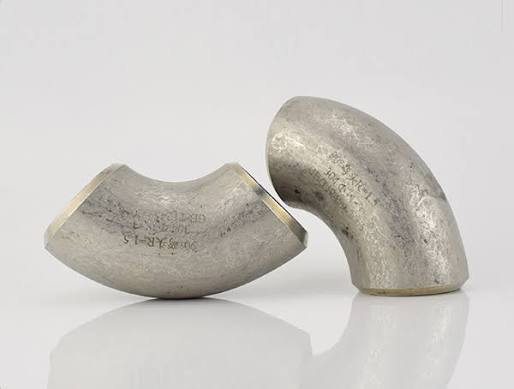
Thin-wall carbon steel tubes are generally suitable for cold bending. However, thick-wall or large-diameter tubes require much greater bending force. Without proper process control, cracking, uneven bend radii, excessive springback, and high residual stress can occur, potentially affecting the product's long-term performance.
For heavy-wall carbon steel, induction heating tube bending is often the preferred solution. Heating the bending area reduces material resistance, allowing the hydraulic CNC tube bending machine to form smooth, consistent bends while minimizing the risk of cracks and residual stress.
How to Choose the Right Tube Bending Machine
In addition to material properties, bending quality largely depends on machine performance, tooling design, and process parameters. A modern CNC tube bending machine can automatically control feeding, rotation, and bending operations while storing optimized programs for different materials and tube specifications.
When selecting a tube bending machine, manufacturers should consider the following factors:
·Compatibility with various tube materials and wall thicknesses
·CNC control system with springback compensation and parameter storage
·Support for mandrels, wiper dies, and other auxiliary tooling
·Easy tooling replacement for different tube sizes
·Stable operation and long-term bending accuracy
·CNC control system with springback compensation and parameter storage
·Support for mandrels, wiper dies, and other auxiliary tooling
·Easy tooling replacement for different tube sizes
·Stable operation and long-term bending accuracy
Choosing the right equipment not only improves production efficiency but also reduces scrap rates and overall manufacturing costs.
Why Do Tubes Wrinkle During Bending? Common Causes and Effective Solutions
Tube End Reduction vs. Expansion: Which Forming Process Does Your Product Need?
Related Article

Discover how tube cutting, bending, rolling, and end forming machines help transform metal tubes into components used in furniture, vehicles, fitness equipment, HVAC systems, and industrial products.
How Tube Processing Technology Supports Modern Manufacturing
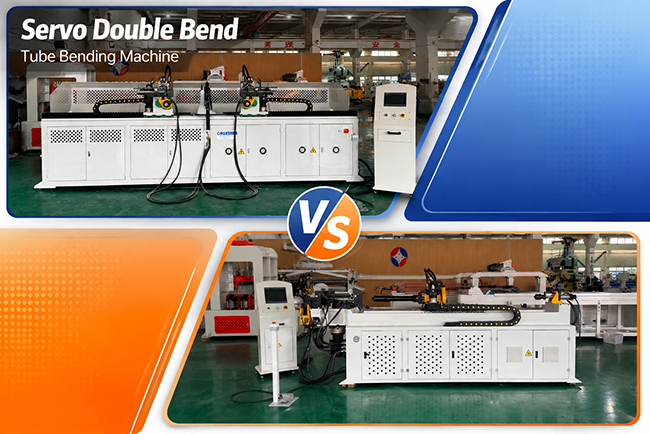
What Is the Difference Between a Double-Bend (Left-and-Right) Tube Bender and a Standard Tube Bending Machine?

