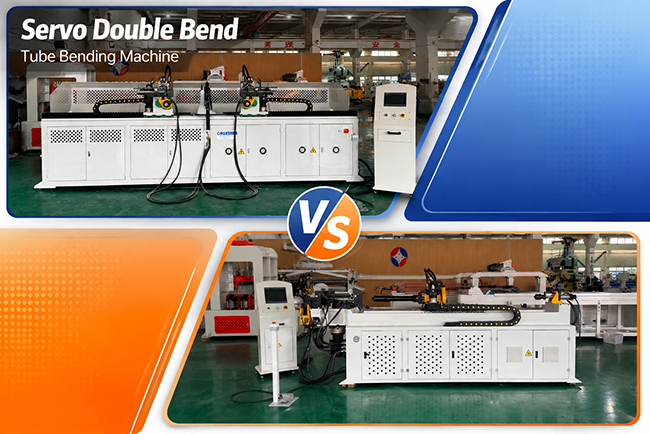
Core Applications and Efficiency Improvement of Rolling Machines in Industrial Manufacturing

In production scenarios within industries such as metal processing and architectural decoration, the rolling machine, as a core arc-forming equipment, directly influences product quality and production efficiency through its application effectiveness. Utilizing the principle of roller extrusion and rotation, rolling machines can precisely process sheets and profiles into arc-shaped or circular components. With their advantages of high efficiency and precision, they have become key equipment for many enterprises to enhance production capacity.
一、Fundamental Understanding of Rolling Machines
To efficiently utilize rolling machines, it is crucial to first grasp their fundamental principles. The core working principle of a rolling machine involves generating extrusion force and friction through the speed difference between the driving roller and the driven roller, thereby driving the workpiece to gradually form through rolling. Depending on production needs, rolling machines can be categorized into three main types: electric, hydraulic, and manual, respectively suited for batch processing, heavy-material processing, and small workshop scenarios. Based on the processed material, they can also be classified into rolling machines specialized for metal, plastic, or wood, often paired with standard or high-precision CNC systems to meet different accuracy requirements. Key components such as the rollers, transmission system, and adjustment mechanisms are critical to the machining outcome. Particular attention must be paid to the hardness and precision of the rollers and the stability of the transmission system, as these form the foundation for ensuring the stable operation of the rolling machine.
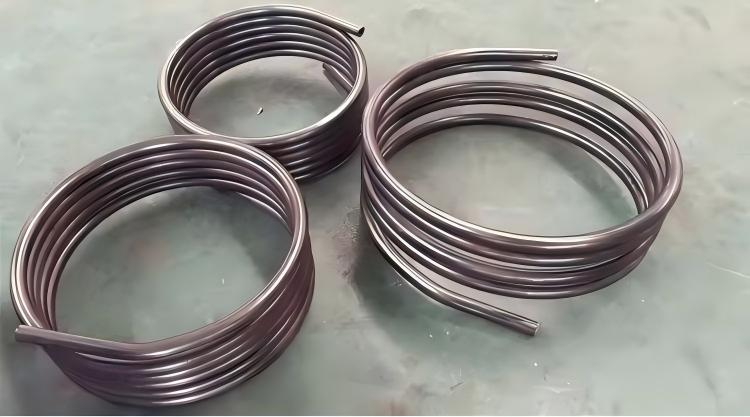
二、 Core Application Scenarios and Industry Adaptation of Rolling Machines
Rolling machines are widely adaptable, covering multiple core industries and serving as "efficient assistants" in industrial production. In the metal processing industry, they are used for the arc forming of steel plates and pipes, providing qualified basic components for pressure vessels and pipeline manufacturing. In the architectural decoration industry, whether for pipeline forming, processing steel structure arc components, or crafting decorative arc parts like door/window frames and ceiling moldings, the precision of rolling machines is indispensable. In the hardware products and machinery manufacturing fields, rolling machines focus on the precise rolling and forming of mechanical parts and hardware tools, enhancing product accuracy. Furthermore, in specialized industries such as furniture manufacturing, medical equipment, and preliminary processing of aerospace components, rolling machines can also adapt to personalized forming needs, aiding in product upgrades across sectors.
三、 Core Application Processes and Practical Operation Key Points
A scientific application process is key to the efficient output of rolling machines and must strictly follow the four major steps: "Preparation - Debugging - Processing - Inspection." During the preparation stage, accurately assess the compatibility of the processing material's properties and thickness with the rolling machine, and complete pre-processing steps like cutting, leveling, and derusting to avoid impurities affecting the forming result. In the debugging phase, set key parameters such as arc radius, rolling speed, and pressure based on processing requirements, adjust roller spacing and feed angle, and conduct a no-load test run to ensure the equipment is fault-free before starting processing. During processing, standardize feed operations to ensure accurate material positioning, control feed speed to match the equipment's operating rhythm, and continuously monitor the rolling state to promptly address common issues like uneven arcs or material deviation. After processing, use professional tools to inspect the precision of finished products, properly rework defective items, establish clear scrap standards, and prevent non-conforming products from entering subsequent stages.
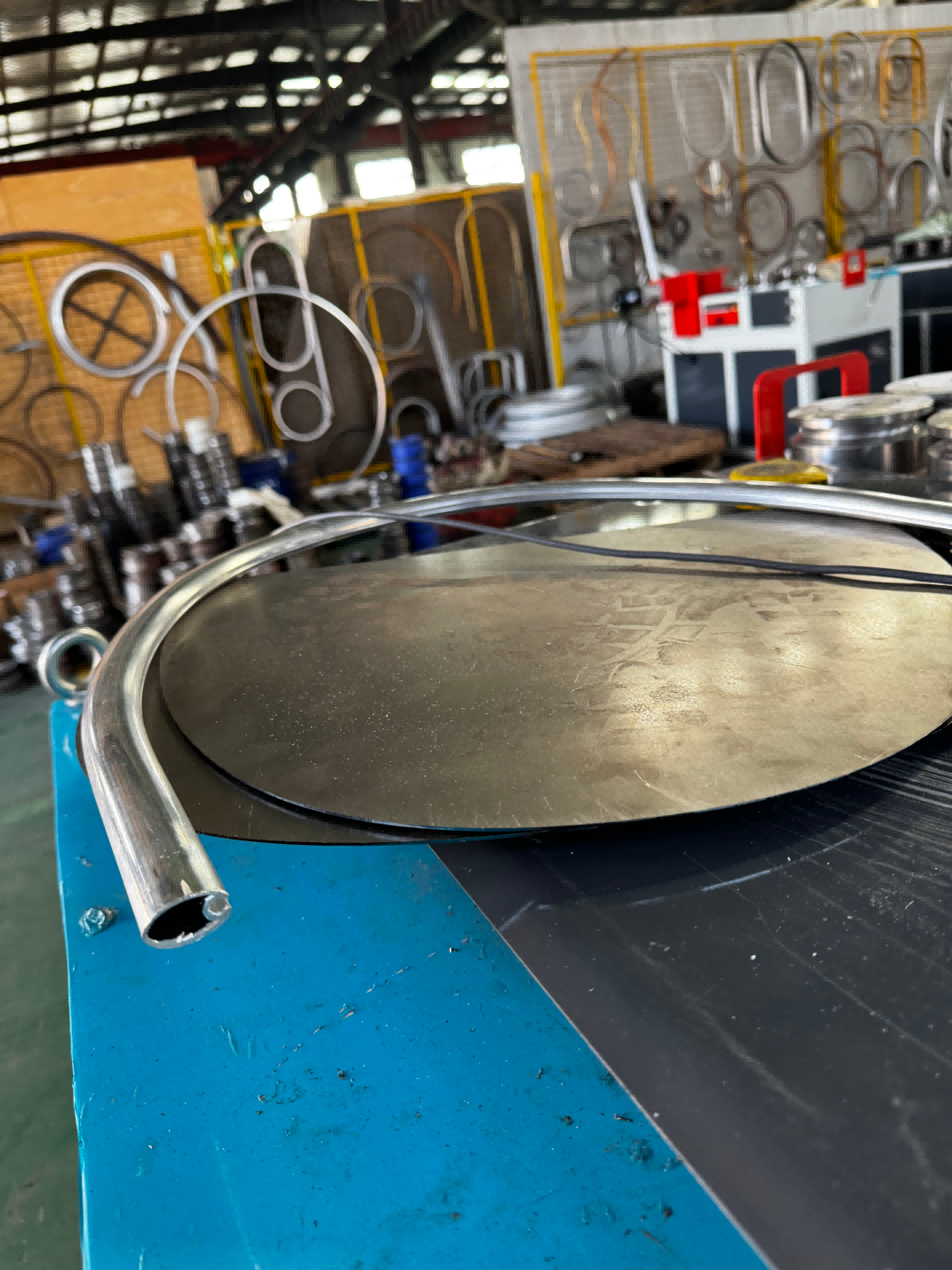
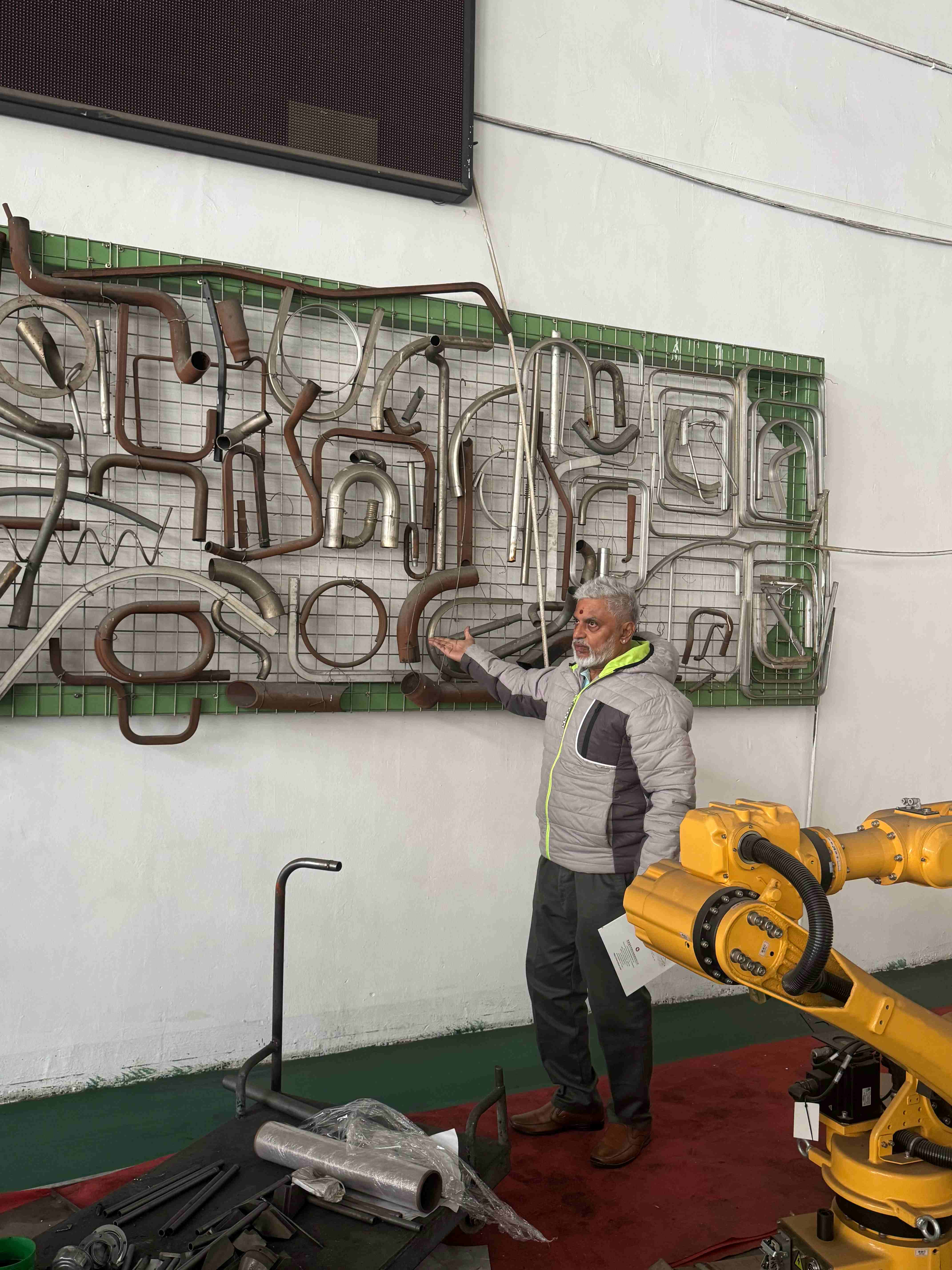
四、 Strategies for Efficiency Improvement and Quality Optimization in Rolling Machine Applications
To enhance production benefits through rolling machines, enterprises need to optimize application strategies across multiple dimensions. First is equipment selection optimization—choosing the right equipment based on processing material, accuracy requirements, and capacity needs is the foundation for efficient application. Second is fine-tuning parameters—accumulating experience in processing different materials and thicknesses to precisely control parameter settings and improve forming quality. Additionally, leveraging automation and intelligent technologies, such as utilizing the programming advantages of CNC rolling machines and integrating automated feeding and discharging systems, can significantly boost efficiency and precision. Simultaneously, establishing a comprehensive training system for operators, enhancing their skill levels through professional training and practical experience, optimizes application effectiveness from the "human-machine" collaboration level.
As a key forming equipment in the processing industry, the scientific application of rolling machines requires a foundation of fundamental knowledge, adherence to standardized operational procedures, strict compliance with safety guidelines, and optimization of equipment selection and parameter settings based on industry needs. In the future, with the advancement of intelligent and high-precision technologies, rolling machines will evolve toward multifunctionality and automation, further expanding their application scenarios. For industry practitioners, it is essential to continuously accumulate practical experience, stay abreast of technological trends, fully leverage the application value of rolling machines, and help enterprises achieve quality and efficiency improvements.
Gear Processing for New Energy Vehicles: What Special Requirements Are There for Gear Grinding Machines?
Huashun-pipe punching Machine: Versatile & Efficient Machining Solution
Related Article