
The Integration of Laser Tube Cutting and Tube Bending Technology Drives Greater Efficiency in Tube Processing
author: Huashun Machinery
2026-06-09

As the manufacturing industry continues to move toward higher precision and greater efficiency, traditional tube processing methods are facing increasing challenges. Industries such as automotive manufacturing, engineering machinery, hardware products, new energy equipment, and aerospace all demand higher standards in dimensional accuracy, production efficiency, and product consistency. Against this backdrop, the combination of laser tube cutting technology and CNC tube bending machines has become an important solution for manufacturers seeking to improve competitiveness.
In the past, tube processing typically involved multiple separate operations, including cutting, hole punching, grinding, and bending. Frequent transfers between different machines not only increased production time but also introduced the possibility of human error. Issues such as burrs, dimensional deviations, and inconsistent bending accuracy often affected the final product quality. Moreover, when faced with customized orders and small-batch production requirements, traditional processing methods struggled to balance efficiency and precision.
The introduction of laser tube cutting technology has provided a more advanced solution for precision tube fabrication. Compared with conventional sawing methods, laser cutting offers higher accuracy, faster processing speeds, and cleaner cutting surfaces. As a non-contact process, it minimizes mechanical deformation and helps maintain product quality. Whether processing round tubes, square tubes, rectangular tubes, or special-shaped profiles, laser tube cutting machines can perform precise cutting, hole punching, slotting, and beveling, creating ideal conditions for subsequent forming operations.
In the past, tube processing typically involved multiple separate operations, including cutting, hole punching, grinding, and bending. Frequent transfers between different machines not only increased production time but also introduced the possibility of human error. Issues such as burrs, dimensional deviations, and inconsistent bending accuracy often affected the final product quality. Moreover, when faced with customized orders and small-batch production requirements, traditional processing methods struggled to balance efficiency and precision.
The introduction of laser tube cutting technology has provided a more advanced solution for precision tube fabrication. Compared with conventional sawing methods, laser cutting offers higher accuracy, faster processing speeds, and cleaner cutting surfaces. As a non-contact process, it minimizes mechanical deformation and helps maintain product quality. Whether processing round tubes, square tubes, rectangular tubes, or special-shaped profiles, laser tube cutting machines can perform precise cutting, hole punching, slotting, and beveling, creating ideal conditions for subsequent forming operations.
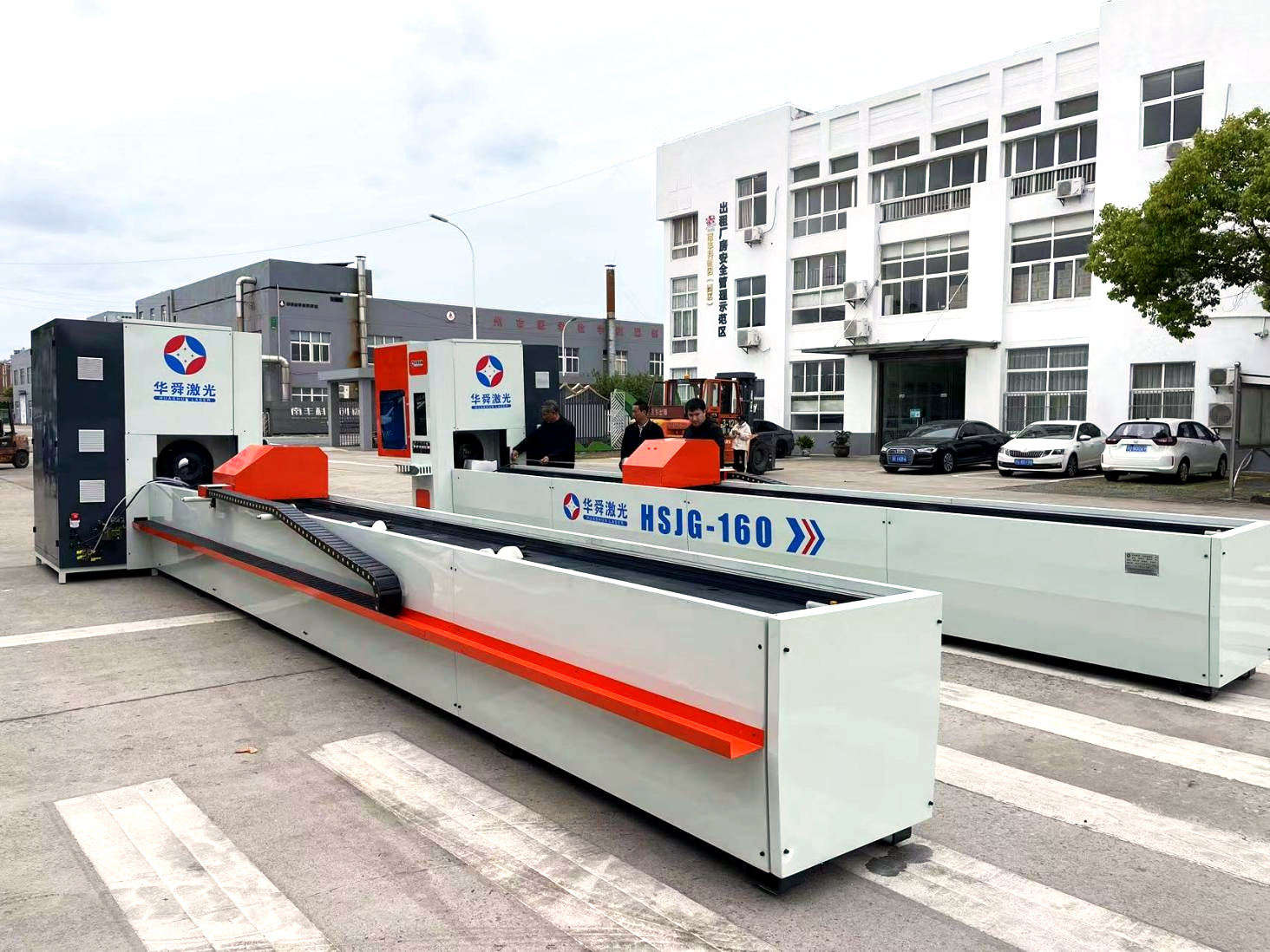
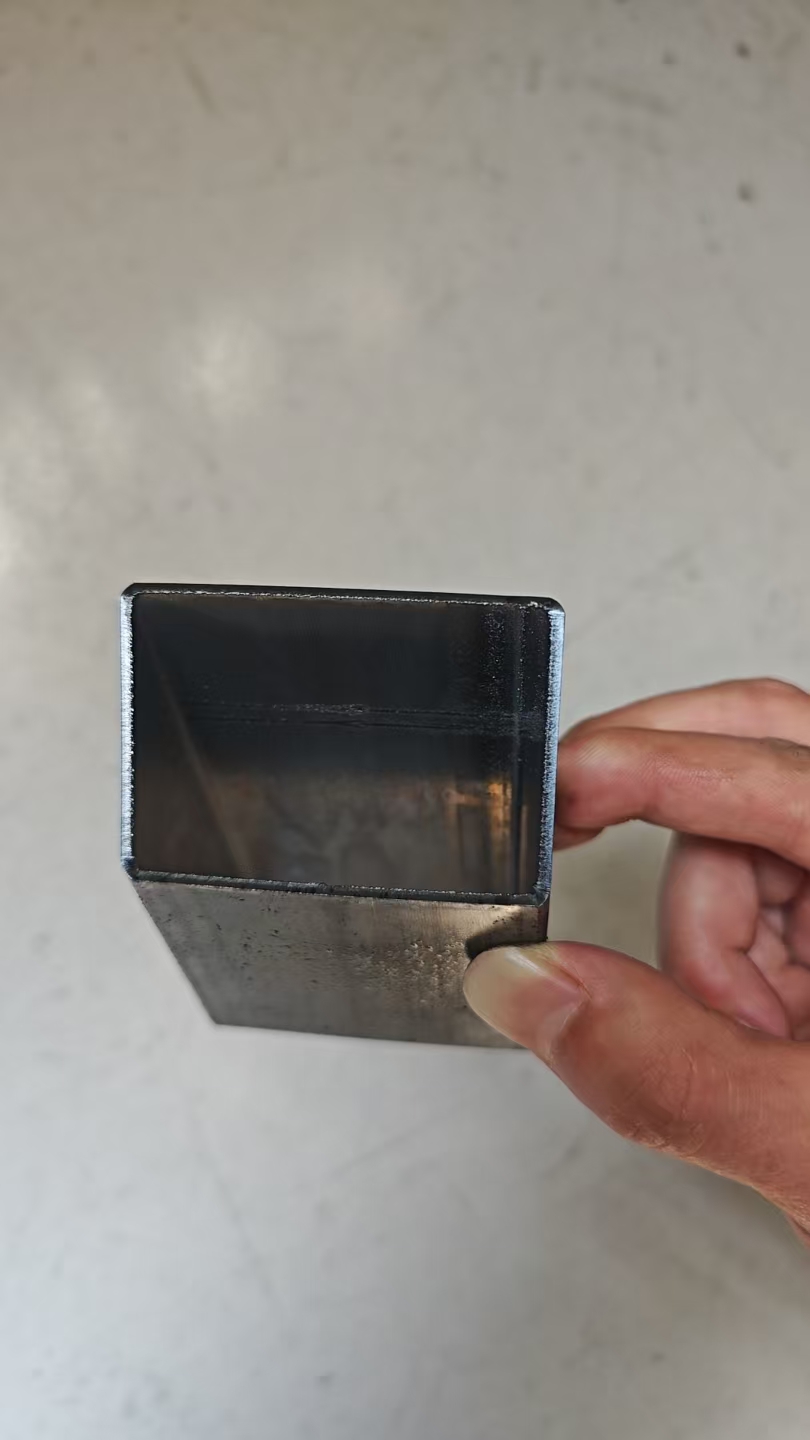
Modern laser tube cutting equipment is also equipped with advanced CNC control systems, allowing processing parameters to be adjusted quickly according to different production requirements. This significantly reduces setup and changeover times while enabling efficient production of complex and customized components. As a result, manufacturers can respond more effectively to changing market demands.
While laser tube cutting ensures accurate material preparation, CNC tube bending machines play a critical role in the forming stage. In recent years, tube bending technology has continued to evolve, with new-generation CNC tube benders delivering higher levels of automation and precision. Intelligent control systems enable multi-angle and multi-radius bending while effectively compensating for springback, ensuring consistent product quality throughout the production process.
When laser tube cutting machines and tube bending machines are integrated into the same production workflow, manufacturers benefit from a more streamlined and efficient tube processing system. From material cutting and hole fabrication to final bending and forming, each stage is closely coordinated, reducing repetitive positioning and manual adjustments. This integrated approach not only improves productivity but also minimizes quality risks associated with human intervention.
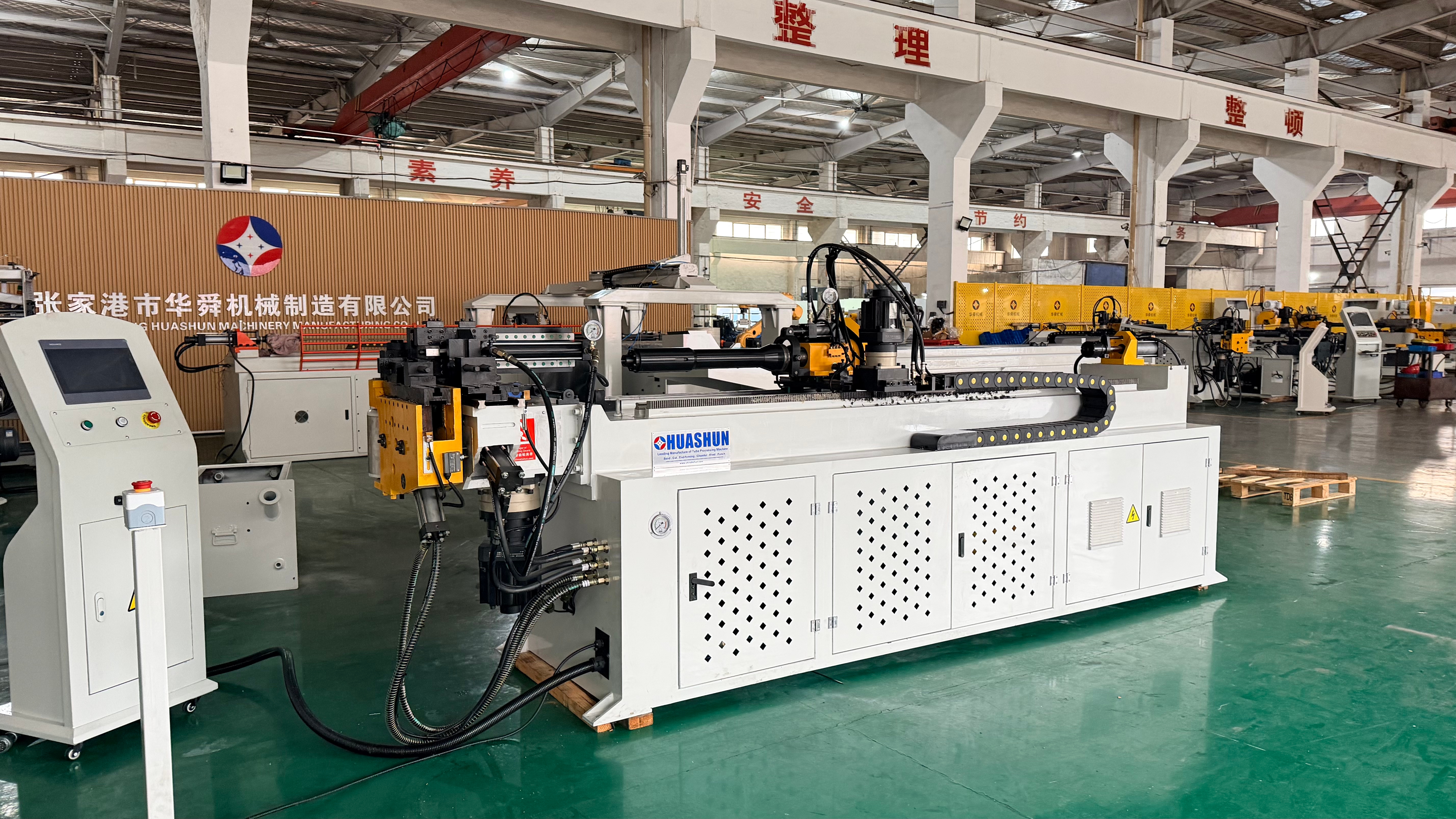

Today, this processing combination is widely used in automotive exhaust systems, vehicle frame components, new energy equipment supports, furniture hardware, and various industrial piping applications. Through the synergy of precise cutting and accurate bending, manufacturers can produce more complex and highly accurate tube components that meet the stringent requirements of modern high-end manufacturing industries.
As smart manufacturing continues to reshape the industry, the integration of laser tube cutting and CNC tube bending technologies is becoming increasingly important. By optimizing production processes, improving machining accuracy, enhancing efficiency, and reducing material waste, this advanced manufacturing solution helps companies lower overall production costs while improving product quality. Looking ahead, continued advancements in automation and intelligent manufacturing will further expand the application of this efficient processing model, supporting sustainable growth and innovation across the manufacturing sector.
How to Reduce Scrap Rates in 3D Laser Cutting: 5 Practical Tips to Improve Cutting Quality and Efficiency
Breaking Through with Automation, Empowering Efficiency — The Five Core Values of Production Process Automation in Manufacturing
Related Article

Discover how tube cutting, bending, rolling, and end forming machines help transform metal tubes into components used in furniture, vehicles, fitness equipment, HVAC systems, and industrial products.
How Tube Processing Technology Supports Modern Manufacturing
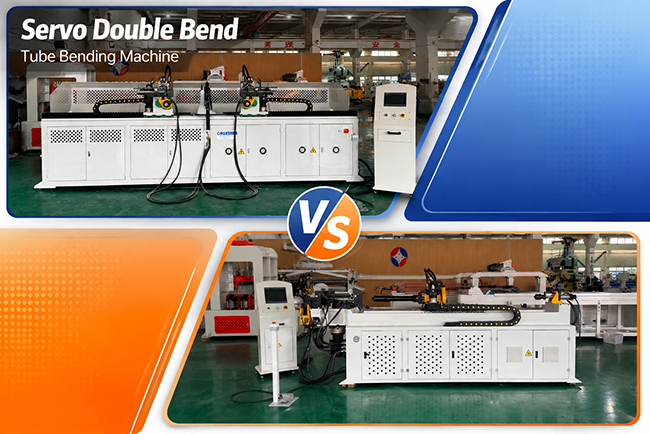
What Is the Difference Between a Double-Bend (Left-and-Right) Tube Bender and a Standard Tube Bending Machine?

